TCP/IP Access Control Panel software updates are typically handled through a systematic process to address security vulnerabilities, enhance functionality, and ensure overall system performance. Here's an overview of how these updates are managed:


Regular Updates:

Scheduled Releases: RJ45 Access control panel software providers often follow a scheduled release cycle. Regular updates are planned and released at specific intervals to address security vulnerabilities, bugs, and to introduce new features or improvements.

Security Updates:

Patch Releases: In response to identified security vulnerabilities, patches or security updates are released promptly. These updates are crucial for maintaining the security of the access control system by addressing potential risks.


Functionality Improvements:

Feature Enhancements: Updates may include improvements to existing features or the introduction of new functionalities based on user feedback, technological advancements, or industry standards.


Maintenance Process:

Notification: Users are typically notified in advance about upcoming updates. Notifications may include information about the purpose of the update, expected downtime (if any), and any actions users need to take.

Automated Updates: Some systems support automated updates, where the software automatically downloads and installs updates in the background. This minimizes the effort required from users but may still require a system restart.

Manual Updates: In some cases, users may need to initiate the update process manually. This is common in enterprise settings where administrators have more control over the update schedule.

Troubleshooting and Support:

Documentation: Access control software providers usually offer documentation that accompanies updates. This documentation outlines the changes made, any new features introduced, and instructions for troubleshooting common issues. 

Customer Support: A reliable customer support system is in place to assist users with any challenges they may encounter during the update process. This can include live chat, email support, or a dedicated support portal. 

Community Forums: Users often participate in community forums where they can share experiences, ask questions, and seek advice from other users or representatives from the software provider.

Rollback Options: In the event that an update causes unexpected issues, some systems provide rollback options. Users can revert to a previous version of the software until any problems are resolved.
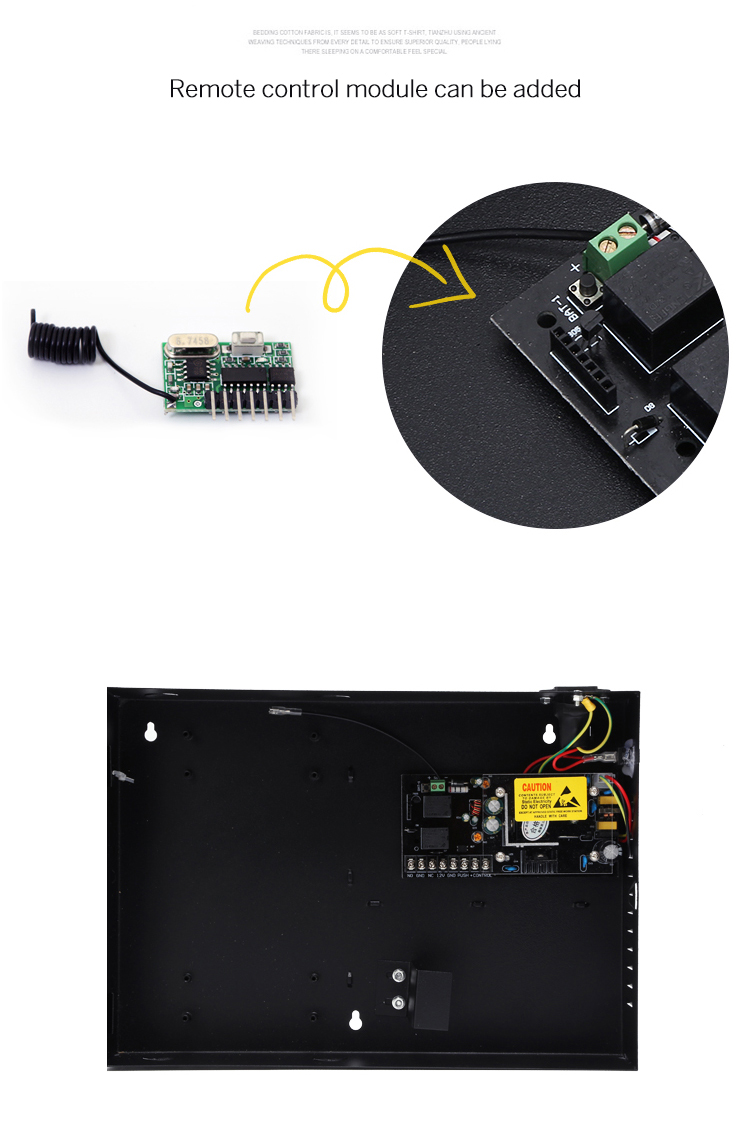
RJ45 Access Control

By following these practices, Web based access control software providers aim to ensure that their systems are secure, up-to-date, and equipped with the latest features to meet the evolving needs of users. Users are encouraged to stay informed about updates, implement them in a timely manner, and leverage available support resources if needed.


User is the software compatible with other devices or systems? Can it seamlessly integrate with existing technology infrastructure without causing conflicts or issues?


The compatibility of access control panel software with other devices or systems is a crucial consideration to ensure seamless integration into existing technology infrastructure. Here's how compatibility is typically addressed:


Standard Protocols:

Access control software often adheres to standard communication protocols (e.g., TCP/IP) to facilitate interoperability with a wide range of devices and systems.

Open APIs (Application Programming Interfaces):

Many access control systems provide open APIs, enabling integration with third-party devices and software applications. This allows for a more flexible and customizable integration process.

Hardware Compatibility:

Access control software is designed to work with a variety of hardware components such as card readers, biometric devices, and door controllers. Compatibility lists are usually provided by the software vendor.

Database Integration:

The software may support integration with existing databases or user directories, allowing for the seamless import and synchronization of user information.
Multi-Platform Support:

Access control software is often developed to be compatible with various operating systems (e.g., Windows, Linux) to accommodate different IT environments.

Scalability:

Compatibility considerations also extend to scalability. The software should be capable of scaling to accommodate the growing needs of an organization without causing conflicts.

Testing and Certification:

Software vendors often conduct testing and obtain certifications to ensure compatibility with specific hardware or systems. This information is usually provided to users for reference.

Documentation and Guidelines:

Detailed documentation and guidelines are typically available to assist users in the integration process. This may include step-by-step instructions, compatibility matrices, and troubleshooting guides.
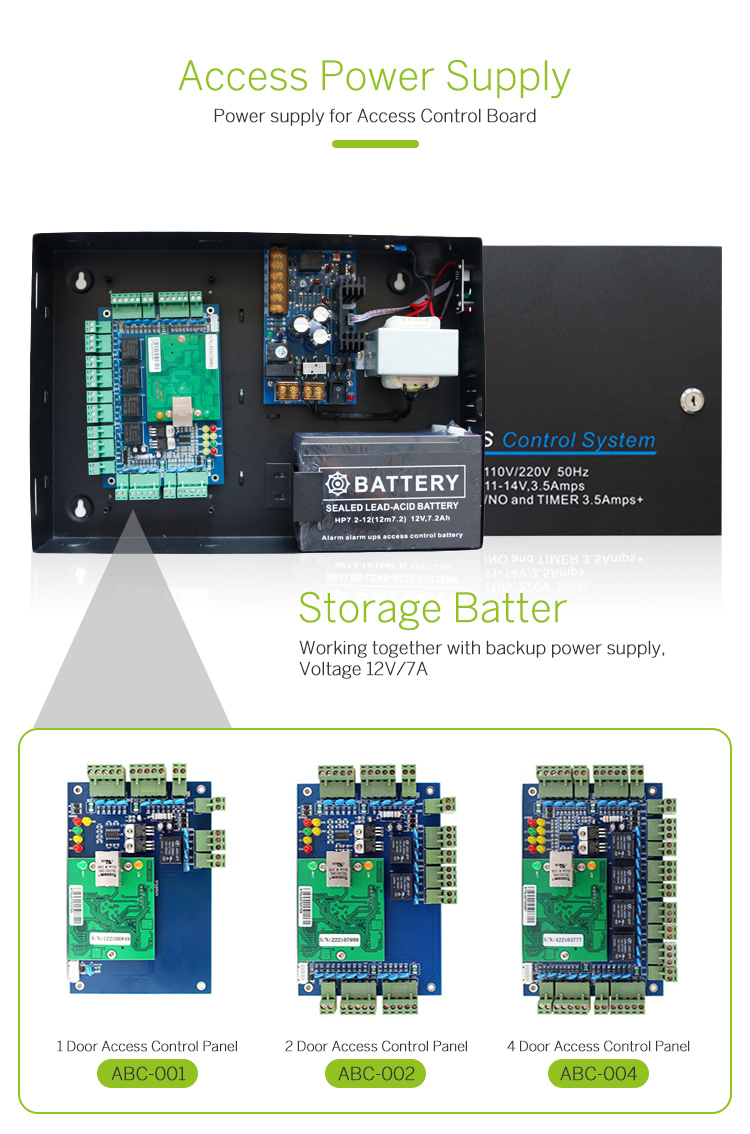


Access control system card software providers typically offer various types of customer support and documentation to assist users in understanding and navigating the software and control board features. Here's an overview of the support options available:


Customer Support Channels:

Live Chat: Some software providers offer live chat support for real-time assistance with inquiries or issues.

Email Support: Users can reach out to the support team via email, providing a written record of their queries or concerns.

Phone Support: Phone support may be available for direct communication with support representatives.


Online Resources:

Knowledge Base: Software vendors often maintain a knowledge base that includes articles, FAQs, and troubleshooting guides. Users can search for specific topics to find relevant information.

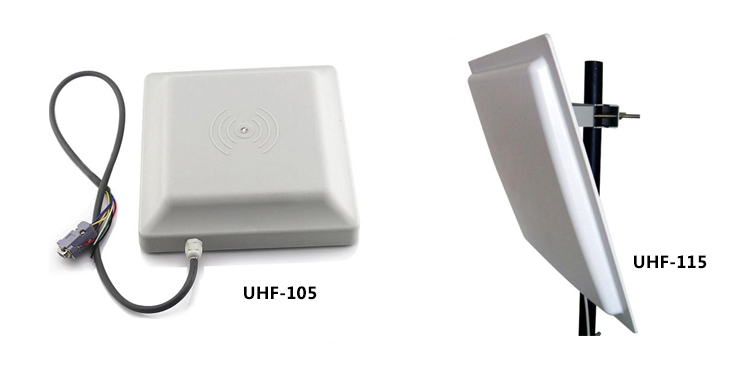
RFID Card And Password Access Control

User Forums: Community forums allow users to share experiences, ask questions, and seek advice from other users or support representatives.

Documentation and User Guides:

User Manuals: Comprehensive user manuals are provided to guide users through the installation, configuration, and use of the door lock access control software. These manuals cover software features, settings, and best practices.

Technical Documentation: For administrators and IT professionals, technical documentation may be available, offering in-depth details about the software architecture, configuration options, and advanced settings.


Training Resources:

Training Videos: Some software providers create video tutorials to visually guide users through specific tasks or features.

Webinars: Webinars may be conducted to provide live training sessions, allowing users to interact with trainers and ask questions.

Support Ticket System:

Remote Desktop Support: In certain cases, support representatives may offer remote assistance, allowing them to access the user's system to diagnose and resolve issues directly.


Software Updates Notifications:

Alerts and Notifications: Users are often notified about software updates, new features, or important announcements through email or within the software interface.


By providing a combination of these support options, access control software vendors aim to offer comprehensive assistance to users. It's recommended for users to explore the available documentation, reach out to customer support when needed, and stay informed about updates and training resources to maximize the effectiveness of the RFID card and password access control system.


Access Control Panel


Technical Support:

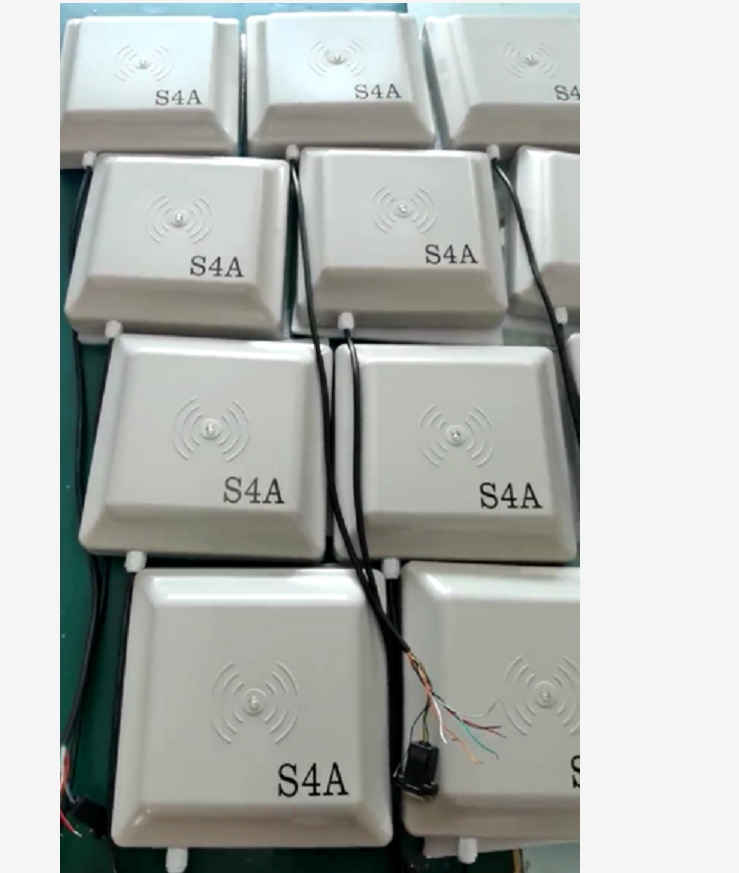
Access control lock system software providers, S4A offer technical support to assist users with integration challenges. This support may include direct assistance from technical experts, online resources, or community forums.


 Access Control Panel


By addressing these compatibility aspects, access control panel software aims to seamlessly integrate into diverse technology infrastructures without causing conflicts or issues. Users are encouraged to review compatibility documentation provided by the software vendor and leverage available support resources during the integration process.


Tactile Switch Soldering

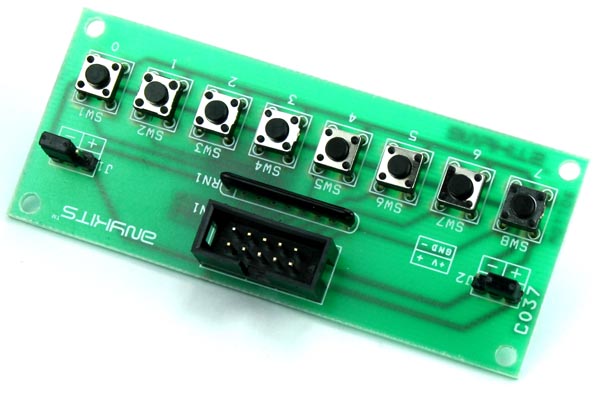
Before soldering tactile switch on PCB, please be make sure  that soldering can be performed properly. Otherwise the Switch may be deformed by the soldering heat on the pattern or lands of the PCB. Do not solder tactile switch more than twice, including rectification soldering. An interval of five minutes is required between the first and the second soldering, or it may result in melting housing and deterioration of operating characteristics.

tactile switch soldering


Soldering conditions

Hand soldering (common)

Soldering temperature

350

Continuous soldering time

3s

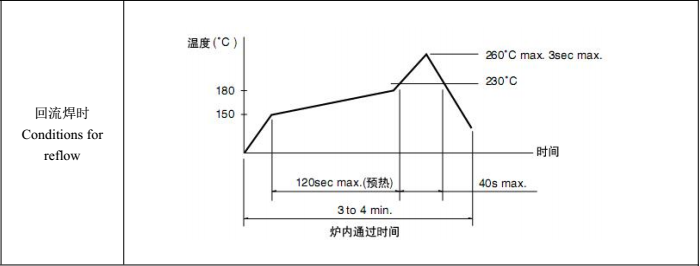
Condition for reflow (Surface Mount type)

Condition for reflow


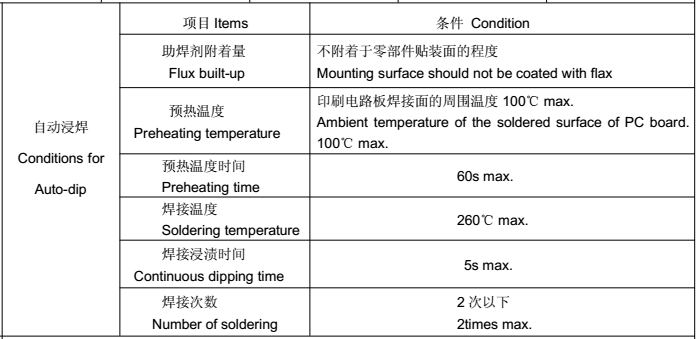
Condition for Auto-DIP(DIP Thru-Hole Type)

Condition for Auto-DIP


Attention

1. After switches were soldered, please be careful not to clean switches with solvent.

2. In the case of using soldering iron, soldering conditions shall be 350Max and 3 sec. Max.

3. Right after switches were soldered, please be careful not to load to on the knobs of switches.

4. Please be cautious not to excessive static load or shock to switches.

5. Please be not to pile up P.W.B. after the switches were soldered.

6. Preservation under high temperature and high humidity and corrosive gas should be avoided. Especially when you need to preserve for a long period, do not open the carton.


How to distinguish POS SYSTEM & Cash Register


Businesses are always looking for faster, more efficient ways of doing things. For this reason, many of them have ditched their cash registers and made the transition to point of sale (POS) systems. In a nutshell, a cash register is a machine that records sales transactions, gives change and holds money. A POS system is a computerized system that handles financial transactions, tracks inventory, and records many types of business data.The biggest difference between a cash register and a POS system is efficiency and communication. When a transaction is processed at a retail store or any other type of business, the POS system not only records the transaction, it automatically does real-time tracking of everything related to what the customer purchased.For instance, if a customer buys a purse, the POS system will record everything about the transaction including the tax information. Once the information is captured, it is stored in a database where authorized company reps can access it when they need to.


Cash registers can be either manual or electronic. Unless you pass through a small town where the next filling station is 100 miles away, you’re not likely to find many places using manual cash registers. Most businesses that still use registers opt for the electronic versions because they’re faster and more accurate.


POS system is made up of hardware and software, it can be as simple or as elaborate as you want. A chain of retail stores and a small car rental service have totally different needs. For this reason, a one-size-fits-all way of recording data isn’t logical. Unlike cash registers, POS systems can be customized to fit the needs of the businesses that use them.


Torque sensors play an important role as a key technology in modern industry. Whether in the manufacturing, automotive or energy sectors, the application of torque sensors provides accurate measurement and monitoring, helping organisations to achieve greater efficiency, quality and safety.
Application Areas of Torque Sensors: 
1. Manufacturing: In the manufacturing sector, rotational torque sensors are widely used in machine assembly, quality control and process optimisation. They can be used to monitor the torque of rotating shafts to ensure correctness and stability during assembly. In addition, torque sensors can be used to check the quality and performance of products, improving the consistency and traceability of the manufacturing process.
2. Automotive: Torque sensors have a wide range of applications in automotive manufacturing and repair. They are used for engine torque monitoring and control, as well as condition monitoring of various key components, such as brakes, steering and transmission systems. The use of torque sensors not only improves vehicle performance and safety, but also helps to optimise fuel efficiency and reduce exhaust emissions.
3. Energy: In the energy sector, miniature torque sensors are used in a wide range of equipment such as wind turbines, generators and hydraulic drive systems. They monitor the torque load on rotating machinery and provide feedback to ensure safe and efficient operation of the system. The use of torque sensors helps to optimise the control and maintenance of energy systems, improving energy output and efficiency.
As a key technology in modern industry, torque sensors play an important role and are widely used in various industries. Through accurate measurement and control, torque sensors help companies to improve productivity, quality and safety, and achieve excellent results in the manufacturing, automotive and energy sectors. As technology continues to advance, torque sensors will continue to evolve and provide more innovative solutions for the development of industrial automation and the Internet of Things.

rotational torque transducer

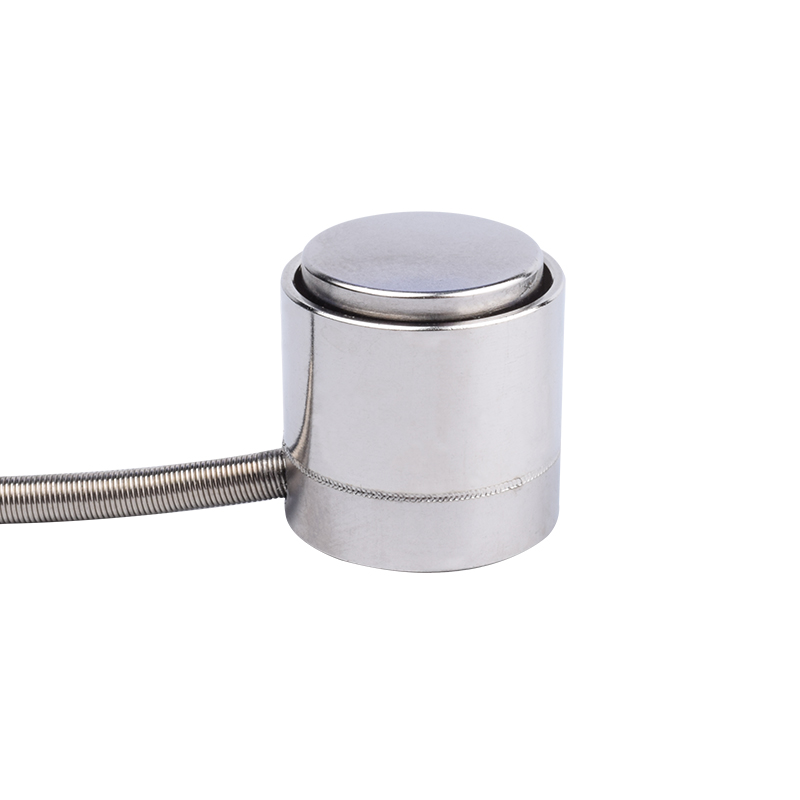
Force sensor is a kind of sensor that can convert mechanical quantities into electrical signals, which is widely used in industrial, medical, scientific research and other fields. According to the working principle, force sensors are mainly divided into resistive strain, capacitive, inductive and piezoelectric types. Among them, resistance strain sensors are widely used in engineering practice because of their high precision, good stability, wide linear range and other advantages.

The back-end signal processing of the load cell refers to the sensor output signal acquisition, amplification, filtering, conversion and other processing, in order to obtain accurate and reliable measurement results. The following will introduce the main methods of back-end signal processing.

1. Signal acquisition

Signal acquisition refers to the acquisition of the electrical signal output from the force transducer for subsequent processing. The acquired signals are generally analogue and need to be converted to digital using an analogue-to-digital converter (ADC) for computer processing. The acquired signal should retain as much of the original sensor information as possible to avoid noise and distortion.

2. Signal amplification

Since the electrical signals output from the force transducer are often weak, amplification is required to obtain better measurement accuracy. Amplifier is the key device in the signal amplification process, which needs to be selected and adjusted according to the output characteristics of the sensor and measurement requirements. Amplifier should have high precision, low noise, low distortion and other characteristics to ensure that the amplified signal can truly reflect the output of the sensor.

3. Signal filtering

Force transducer output signal often contains a variety of noise and interference, the need for filtering to reduce errors and improve stability. Filter is a key device in the signal filtering process, according to different sources of noise and interference, you can choose different filter types and parameters. Common filter types include low-pass filters, high-pass filters, band-pass filters and trap filters. The filter should have high selectivity, low distortion and low noise characteristics to ensure that the filtered signal can truly reflect the output of the sensor.

4. Signal conversion

Signal conversion refers to the acquisition, amplification and filtering of the signal is converted to digital signals that can be processed by the computer. Converter is a key device in the signal conversion process, according to different conversion needs, you can choose different types of converters and parameters. Common converter types include analogue-to-digital converter (ADC) and digital-to-analogue converter (DAC). The converter should have high resolution, high accuracy, low noise and low distortion to ensure that the converted signal can truly reflect the output of the sensor.

5. Data processing and compensation

Data processing and compensation refers to the converted digital signal for further processing and compensation to obtain more accurate and reliable measurement results. Data processing and compensation methods include digital filtering, nonlinear compensation, temperature compensation and so on. These methods should be selected and adjusted according to the specific measurement needs and sensor characteristics to ensure the accuracy and reliability of the measurement results.

The back-end signal processing methods of force transducers play a crucial role in obtaining accurate and reliable measurement results. Through the careful design and adjustment of the acquisition, amplification, filtering, conversion and data processing, the measurement accuracy and stability of the force sensor can be effectively improved to provide more reliable technical support for applications in related fields. With the continuous development of technology in the future, the back-end signal processing methods of force sensors will have richer and more diversified application prospects.

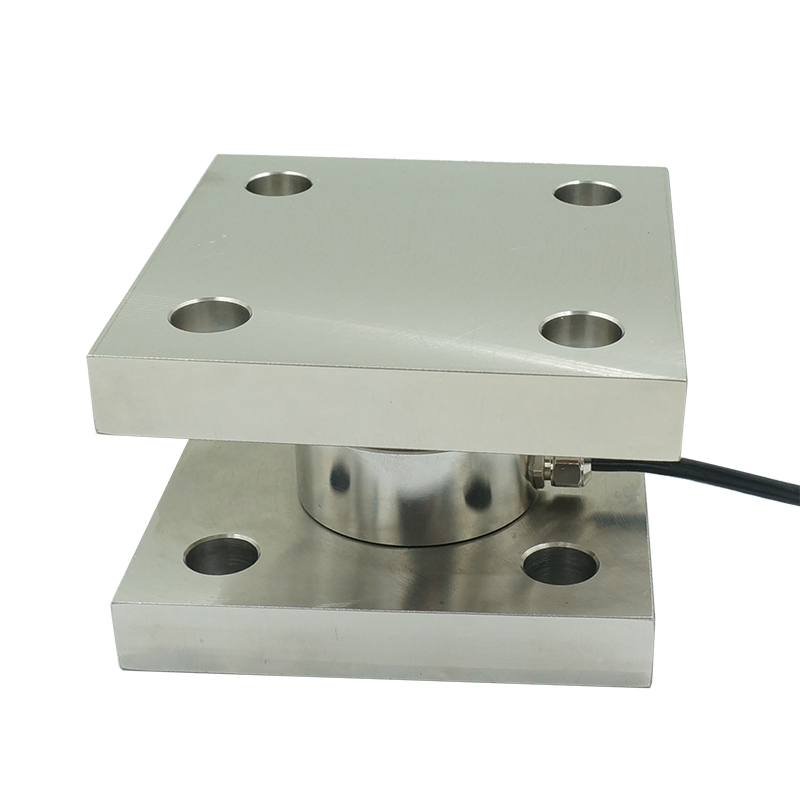
weighing modules load cell

Non-linearity refers to the phenomenon that the output voltage signal of a force transducer has a non-linear relationship with the applied force. Ideally, the output voltage of a force transducer should be proportional to the force applied. The greater the force, the higher the output voltage. However, in practice, due to various factors, there is often a non-linear relationship between the output voltage and the force.

Non-linear error is an important indicator of the performance of the force sensor, which indicates the degree of deviation between the actual output value of the force transducer and the ideal output value. Usually, the nonlinear error is expressed as a percentage, that is, the difference between the actual output value and the ideal output value as a proportion of the ideal output value.

There are many reasons for non-linear error, such as: manufacturing errors in the load cell, wear and tear during use, incorrect installation, and so on. In order to minimise non-linear errors, force transducers need to be accurately calibrated and adjusted. During calibration, the force transducer is loaded and measured using standard weights or other standards, and the difference between the actual output value and the ideal output value is compared. Based on the calibration results, the zero point and range of the force transducer can be adjusted to achieve optimum measurement accuracy and stability.

In addition to non-linear errors, force transducers may also have other errors, such as hysteresis errors and repetition errors. These errors will affect the measurement accuracy and reliability of the force transducer, so it is necessary to carry out regular inspection and maintenance in the process of use.

The nonlinearity of the force transducer refers to the nonlinear relationship between its output voltage and the force applied. In order to reduce the nonlinear error, it is necessary to carry out accurate calibration and adjustment of the force transducer, and pay attention to the maintenance and repair in the process of use. Naturollsensor supply various load cells with good price.


force transducer


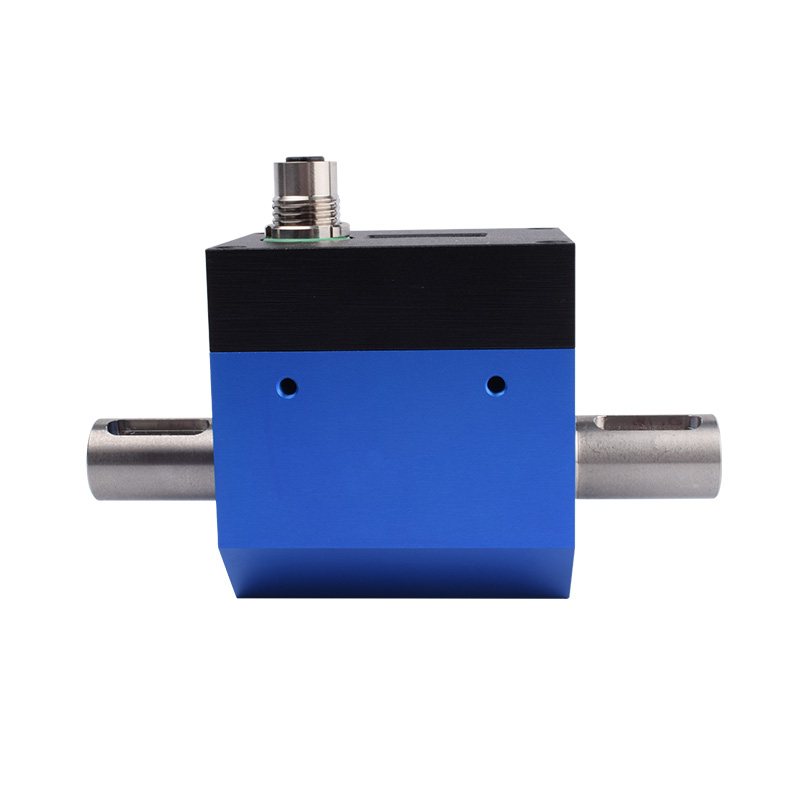
Torque sensors are categorised (based on physical form) as dynamic torque sensors (which can rotate continuously through more than 360°) and static torque sensors (which do not rotate continuously).

Dynamic Torque Sensors

Dynamic torque transducers (based on the method of signal transmission) can be subdivided into non-contact torque transducers and carbon brush contact (slip ring) torque transducers.

Non-contact torque transducers do not mean that the transducer does not have to touch the measured body to obtain a measurement. Rather, it refers to the sensor's internal power supply and signal transmission through two sets of coils, the sensor in the rotation will not have friction loss, the advantage of this sensor is that it can continue to rotate at high speeds for a long service life, and at the same time can measure the rotational speed or the angle of rotation, the disadvantage is that the same range volume than the slip ring torque sensors to be larger and heavier (the reason for the internal structure) due to the reasons for the internal structure of the material costs are also higher than the slip ring torque sensors. Because of the internal structure, the cost of materials is also higher than the slip ring torque sensor.

Contact torque sensor we usually call slip ring torque sensor, the structure of this sensor is simpler, the advantages are faster signal transmission, the same range than the non-contact torque sensor volume is smaller, lighter weight, the disadvantage is that it can not be rotated continuously at high speeds, the service life of a shorter.

Static torque sensor

Static torque sensor as the name suggests is to measure the torque in a stationary state, usually the measurement of the motor (rotating body) blocking the turn, static torque sensor and power supply and signal cable is connected together, when the static torque sensor rotates, the cable also follows the rotation, if the rotating body to turn 2-3 laps can be used, as long as the rotation of the cable does not affect the measurement can be, if it is continuously rotating If the rotating body rotates 2-3 times, the cable can be used, as long as the cable does not affect the measurement during the rotation, but if it rotates continuously or rotates for a large number of turns, it will cause the cable to be entangled in the measured rotating body or the sensor to affect the measurement or even affect the operation of the whole measurement system.

dynamic torque sensor

Tags :


The promotion of RFID in the global livestock industry varies from country to country. In Canada, the use of low-frequency RFID has been mandated by law for many years. In the United States, cattle associations and cooperatives are addressing identification traceability challenges, and many organizations are now using UHF tags. In Europe, some countries have made the use of UHF mandatory. In the livestock industry, low-frequency RFID (LF RFID) and ultra-high frequency RFID (UHF RFID) each play different roles:

The magnetic field of low-frequency RFID can produce a relatively uniform sensing area, making it difficult to miss or cross-read during one-to-one identification. On the other hand, low-frequency RFID has strong anti-interference ability, strong penetration, and good anti-metal performance. Better than high frequency and ultra high frequency RFID. In large-scale breeding farms, low-frequency RFID reading and writing devices are mostly deployed in application scenarios such as passages, holding racks, milking tables, and feeders for one-to-one identification to meet on-site use.

UHF RFID also has its unique uses in the livestock industry. High-frequency and ultra-high-frequency RFID can perform group reading of tags, which is very useful in scenarios where large amounts of information need to be processed quickly. However, in the field of livestock breeding, omissions and cross-readings sometimes occur. Moreover, the high price and difficulty of installation of UHF technology previously discouraged many cattle raising companies.

Canadian livestock monitoring company HerdWhistle is breaking out of this dilemma, offering an effective and low-cost UHF solution through expanded global distribution partnerships. The solution is designed to provide transparency into the beef supply chain and uses products including UHF RFID readers and antennas, as well as multispectral cameras that track details related to animal health.

HerdWhistle’s UHF RFID Solutions

HerdWhistle provides a solution to this problem by designing specialized RFID antennas that can maintain operation and capture tag data in severe weather, high moisture and dust levels, and unpredictable environmental conditions. In addition, HerdWhistle has developed several handheld readers that can read tags from up to 100 feet away and processing scanners that uses a combination of low and ultra-high frequencies for guiding animals, etc. This solution system also includes a corresponding dedicated multispectral camera that can perform 3D measurements of animals that come within range of the reader. The infrared camera in the camera can display pixelated images in real time to identify animals at risk of disease. By tracking the health of animals, operators can be more strategic in how they vaccinate or use antibiotics. This complete set of application systems provides an effective and low-cost solution that can help feedlots better manage animals, improve production efficiency and reduce operating costs. 


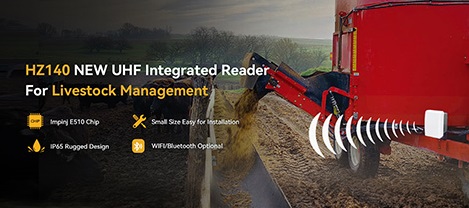
Hopeland Smart Series New UHF RFID Integrated Reader HZ140

Our new smart series RFID Integrated Reader HZ140 and RFID antenna has been successfully used in a similar livestock automatic feeding and management detection system in Brazil, playing an important and key role in the entire system integration project.


Although the promotion situation varies in different regions, with the continuous development and popularization of technology, the UHF RFID system is expected to become one of the mainstream technologies in the animal husbandry industry.


(Some pictures and texts come from the Internet, if there is any infringement, please contact to delete)