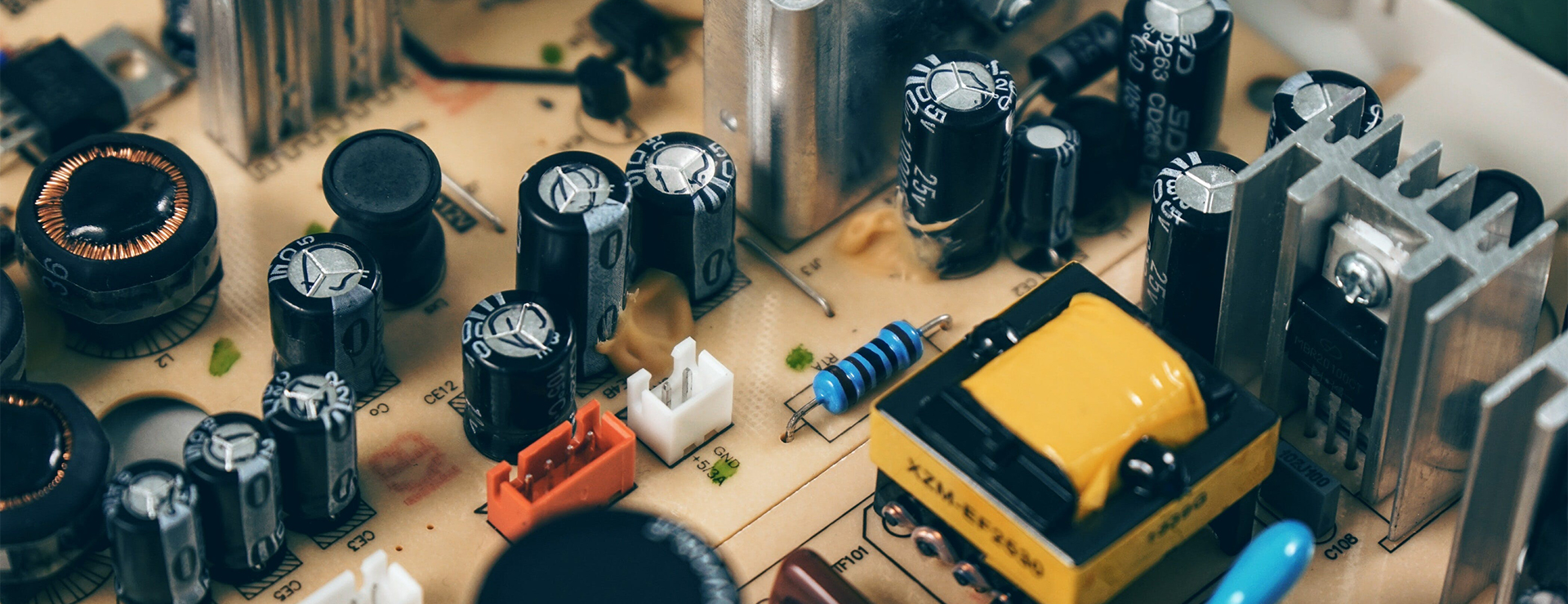
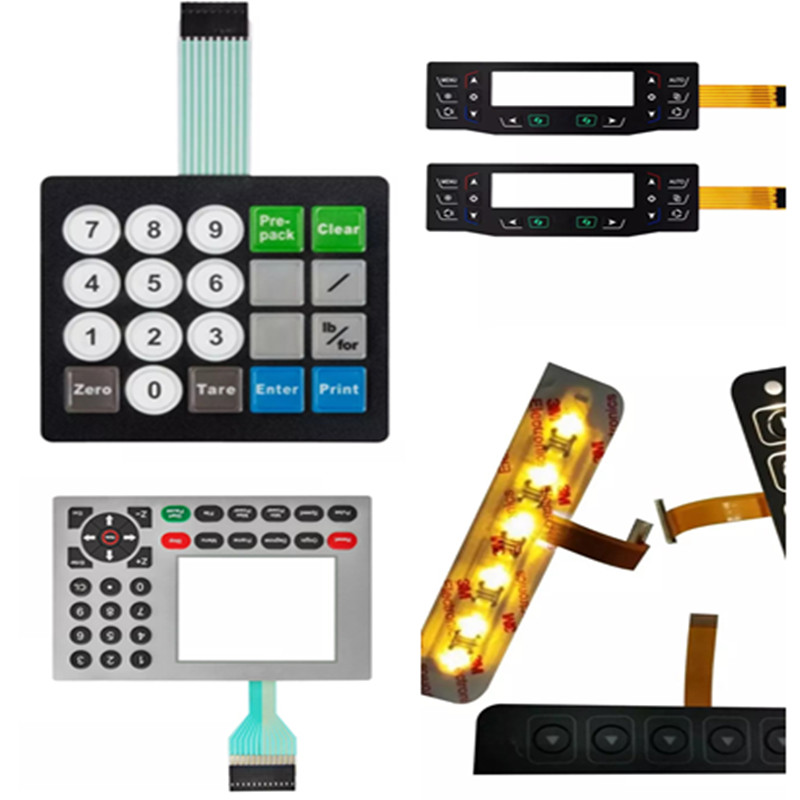
INO Technology is leading membrane keypads, keyboards and switches manufacturer, supplier and exporter in China since last 10 years. We are well-known across every sector for designing and manufacturing customized membrane keypads like flexible and PCB-based membrane keypads. We have experienced designing team, which understands customers' requirements and selects components and designs accordingly.

We are unique in terms of manufacturing keypads as we are equipped with in-house advanced machinery and climatically controlled 10.000 clean rooms. We are ISO 9001:2015 Quality management certified organization, which prompts us to be an internationally acclaimed organization for membrane keypads and keyboards.A membrane switch or touch switch is a multi-layered user interface device that acts as a switch to turn a device on or off. Membrane switches are printed circuits on film as opposed to mechanical switches, which are often made of copper and polymers. Silver or carbon ink is printed onto heat-stabilized polyester film to create membrane switches. As the switch’s graphic interface, an overlay is placed on the initial surface. These top substrates are known as “membranes” or “graphic overlay films” since they are constructed of thin, pliable materials.


Membrane switches may be categorized as user-equipment interface utilities, which are simply utilities that allow users to successfully communicate commands to electronic devices. They should not be confused with mechanical switches, which are composed of plastic parts and copper instead of a circuit and a substrate.

Membrane switches have a low profile, sealing ability, and ease of cleaning. Membrane switches can be used in conjunction with other control systems such as keyboards, touch screens, and lighting, and they can be as complex as membrane keyboards and switch panels found in mobile phones and computers. Membrane switches are also known as membrane keyboards and membrane keypads, depending on the industry and application.

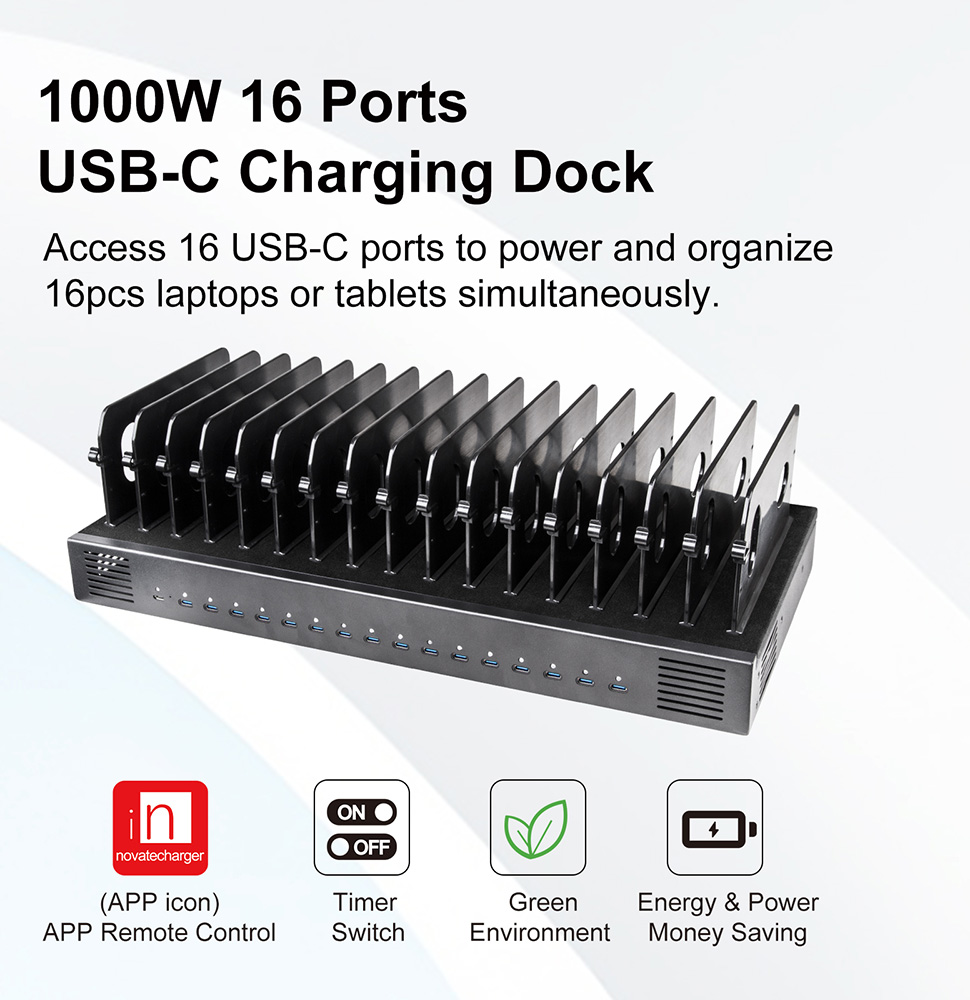
With the prevalence of mobile devices, our way of life and work is undergoing significant changes. In places such as schools, commercial establishments, airports, and offices, people are increasingly reliant on smartphones, tablets, and other electronic devices. Therefore, effectively managing the charging and usage of these devices has become an important issue. Today, we would like to introduce a highly practical multi-functional USB-C Charging Dock - a 16-port charger with 16 device stands, which will bring great convenience to schools, commercial places, airports, and offices.

 Firstly, this 16-port charger with 16 device stands can simultaneously charge 16 devices. Whether in schools, commercial places, airports, or offices, it can meet the multi-device charging needs of various environments. Schools can conveniently provide centralized charging and management for teachers and students; commercial places can offer more convenient charging services to customers; and airports and offices can provide more convenient charging facilities for employees and travelers. This multi-port USB-C charger can meet the multi-device charging needs of different environments, greatly improving charging efficiency.


Furthermore, the design of 16 device stands makes this charger even more practical. The stands allow devices to be placed vertically, saving space and effectively managing the devices to prevent chaos. This design not only facilitates user convenience but also effectively protects the devices, prolonging their lifespan. For schools, commercial places, airports, and offices, this design can better manage devices and improve work efficiency.

In conclusion, the 16-port USB-C charger with 16 device stands is a highly practical multi-functional charging device. It brings great convenience to schools, commercial places, airports, and offices, meeting the multi-device charging needs, improving work efficiency, and ensuring device safety. It is hoped that more establishments will introduce and use this product, making life and work more convenient!

Introduction:

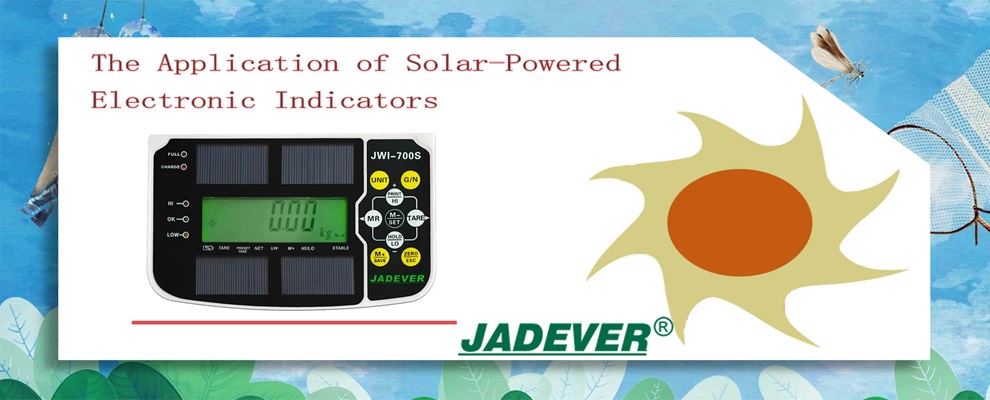
In recent years, there has been a growing emphasis on sustainable and renewable energy sources. Solar power, in particular, has gained significant attention due to its potential to reduce our reliance on fossil fuels. While solar panels are commonly associated with generating electricity, their applications can extend beyond just powering homes and businesses. One such innovative application is the use of solar-powered electronic indicators. In this blog post, we will explore the various benefits and applications of solar-powered electronic indicators.

Environmental Benefits: By utilizing solar power, electronic indicators can significantly reduce their carbon footprint. Traditional electronic indicators rely on electricity generated from non-renewable sources, contributing to greenhouse gas emissions. Solar-powered indicators, on the other hand, harness clean and renewable energy, ensuring a minimal environmental impact. This makes them an ideal choice for environmentally conscious individuals and businesses.


Cost-Effectiveness: Solar-powered electronic indicators offer long-term cost savings. Once installed, they can operate without the need for expensive electricity bills. This makes them particularly advantageous for commercial applications, such as in agricultural industries, warehouses, and logistics centers, where indicators are used extensively. Additionally, solar-powered indicators require minimal maintenance, further reducing operational costs.

Versatility: Solar-powered electronic indicators are highly versatile and can be used in various industries and settings. From weighing produce in agricultural markets to measuring packages in shipping centers, these indicators offer accurate and reliable measurements. Furthermore, their portability allows for easy relocation, making them suitable for outdoor events, construction sites, and remote locations where access to electricity may be limited.


Independence: One of the key advantages of solar-powered electronic indicators is their ability to function independently of the electrical grid. This makes them particularly useful in areas with unreliable or no access to electricity. By utilizing solar energy, these indicators can operate consistently, regardless of the power supply situation. This independence ensures that businesses and individuals relying on accurate weighing measurements are not hindered by power outages or infrastructure limitations.


Contributing to Sustainable Practices: By opting for solar-powered electronic indicators, businesses and individuals demonstrate their commitment to sustainable practices. Utilizing renewable energy sources not only reduces carbon emissions but also promotes a green and eco-friendly image. This can be a valuable branding and marketing tool, attracting environmentally conscious customers and partners.


Solar-powered electronic indicators offer numerous benefits, including environmental sustainability, cost-effectiveness, versatility, independence, and the promotion of sustainable practices. As we continue to explore innovative uses for solar power, the application of solar-powered electronic indicators represents a significant step towards a greener and more sustainable future. By embracing this technology, businesses and individuals can contribute to a cleaner environment while enjoying the practical advantages these indicators offer.

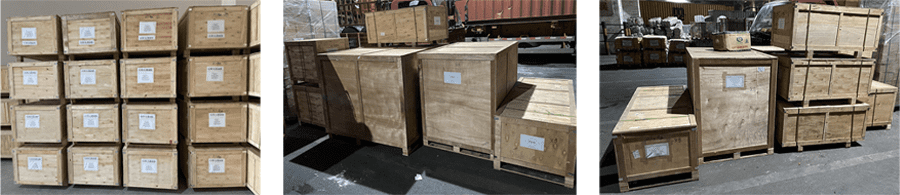
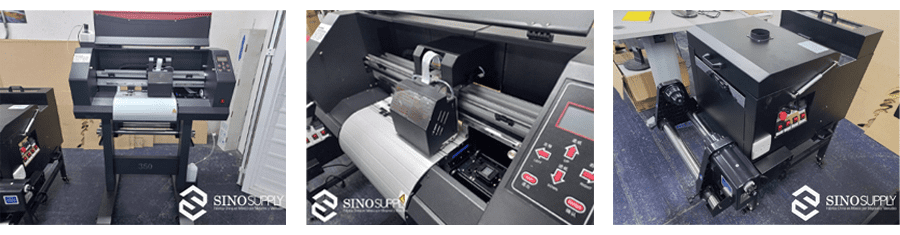
DTF printer for pet film printing is very popular in the market, especially in European and American countries. More than 10 sets machines are waiting for shipping to European in forwarder warehouse.


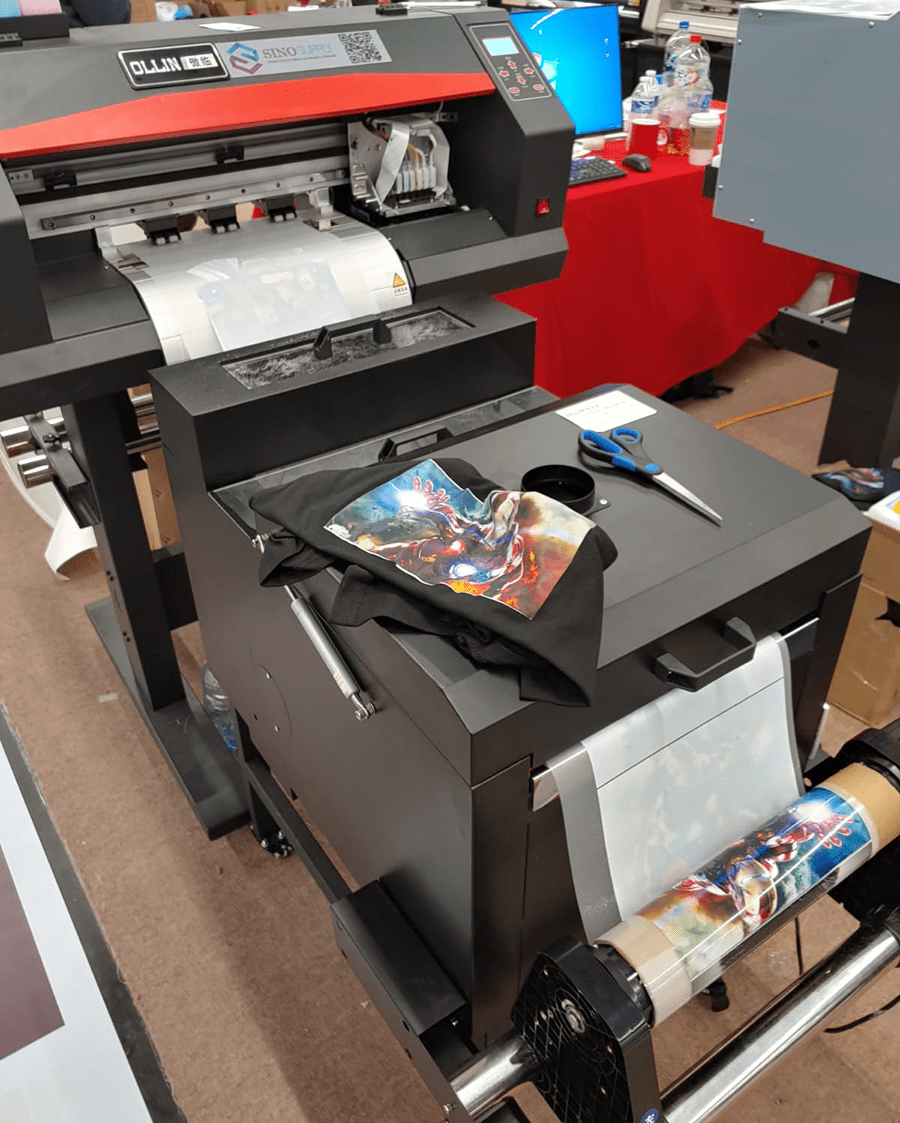
It can work on both dark and light garments, nylon and multiple other more fabrics that makes it the most versatile machine on the market now.


And it not only enjoys a wide application for products like t-shirts, polo shirt, bags, pet clothing, and also even small logos in specific places (sleeves, pockets etc.).


No extra equipment needed, when printing DTF. Simply transfer the image on your garment with a heat press.


Although the monochrome LCD screen does not have the richness of color, it shows excellent performance in specific fields with its unique charm. This display technology is not just a simple stripping of colors, but also a pursuit of refinement and concentration, bringing users a unique visual experience.


1. Minimalist design and attention to details:

The monochrome LCD screen uses black and white as the main color, emphasizing contrast and light and dark, thus creating a simple and elegant design style. This design philosophy aims to provide users with an immersive experience by eliminating redundant elements and allowing users to focus on the core of the content. In information display and certain professional application scenarios, this monochrome design can better highlight the importance of details and content and improve the effect of information transmission.


2. Energy-saving and environmentally friendly choices:

Compared with color LCD screens, monochrome LCD screens are more energy-saving during manufacturing and use and have less impact on the environment. Since it does not require additional color filters and liquid crystal color splitters, the manufacturing cost is relatively low, and it also reduces energy consumption during use, which is more in line with the green concept of sustainable development.


3. Highly readable and durable:

Monochrome LCD segment  screens have relatively good readability in sunlight and are not affected by color reflections. This makes it advantageous outdoors or in scenarios that require use in bright environments, such as outdoor navigation devices and digital e-ink readers. In addition, since there are no color filters involved, monochrome LCD displays are relatively durable and have a longer service life.


4. Professional needs of specific industries:

Monochrome LCD displays have unique application requirements in certain industries. For example, medical equipment often uses monochrome displays because in some medical images and monitoring, the requirements for color accuracy are not high, but the requirements for display clarity and contrast are high.


5. Innovation in art and design:

Artists and designers also began to explore the unique expression of monochrome LCD screens. By taking the beauty of black and white to the extreme and creating unique digital artworks and design works, monochrome displays have become a new medium for creative expression.


Monochrome LCD displays present a different kind of charm due to their unique design concepts, energy efficiency and specific application scenarios. Today, as digital display technology continues to evolve, monochrome LCD screens have gradually become a high-profile emerging technology with their unique advantages.

A TFT (Thin Film Transistor) display module is a type of flat-panel display technology that is commonly used in electronic devices such as monitors, TVs, smartphones, and other portable devices. TFT technology improves upon traditional LCD (Liquid Crystal Display) screens by incorporating thin film transistors for each individual pixel on the display.


The key features of TFT displays include:

Thin Film Transistors (TFTs): Each pixel in a TFT display is controlled by its own transistor, allowing for more precise and faster control of each pixel's state. This results in improved image quality and faster response times compared to traditional LCDs.


Color Reproduction: TFT displays are capable of producing vibrant and accurate colors, making them suitable for applications where color accuracy is crucial, such as in digital photography or graphic design.


Wide Viewing Angles: TFT displays typically offer better viewing angles compared to some other display technologies, ensuring that the image quality remains consistent even when viewed from different angles.


High Resolution: TFT displays can support high resolutions, providing sharp and detailed images. This makes them suitable for applications requiring clarity and detail, such as in high-resolution monitors or high-definition TVs.


Applications: TFT display modules are widely used in various devices, including computer monitors, smartphones, tablets, digital cameras, portable gaming devices, and more.


It's important to note that TFT is a technology, and TFT displays can be found in various forms, such as TFT-LCDs (Thin Film Transistor Liquid Crystal Displays) or TFT-OLEDs (Thin Film Transistor Organic Light Emitting Diodes), each with its own characteristics and advantages.

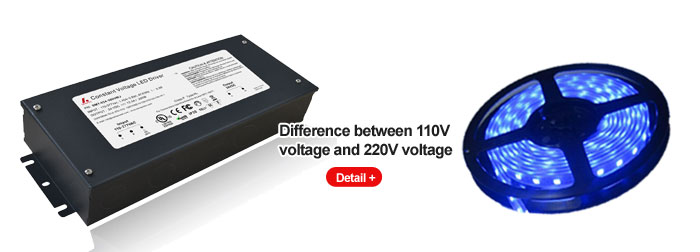
Countries that use 110V generally consider low voltage relatively safe, so they use lower voltages for household electricity. Just because 110V is lower than 220V doesn't mean it's definitely safe. This voltage also exceeds the safe voltage of the human body.

non-dimmable LED drivers


When working at low voltage, appliances with the same power have higher current, especially high-power appliances such as electric heating appliances and air conditioners. The disadvantage here is to use low pressure operation. In addition to the higher currents that the power cord must withstand, the steering components inside the device also require higher steering currents. From this point, compare low-voltage power supplies with high-voltage power supplies. more lossy.

smarts power is a top supplier in the LED driver market. Operating 12Vdc 24Vdc dimmable and non-dimmable LED drivers for all kinds of LED lights, More information if you would like to know Smarts Electronics's led power supply, please login https://www.smarts-electronics.com/Or contact with Mr. Steven(skype: steven821228 mail:sales1@smartselectronics.com)

Unveiling the epitome of versatility and durability, PVC Cards bring a touch of sophistication to realm of personalized plastic cards. Crafted from high-quality polyvinyl chloride (PVC) material these cards have become integral part of our daily lives adorning everything from credit cards and access cards to student IDs and even banking cards.

Why opt for Printing PVC Cards, you ask? Allow us to reveal their exceptional features:

1. Waterproof Wonder: With an impeccable waterproof performance, Printing PVC Plastic Cards stand tall against moisture, making them a perfect choice for any humid environment.

2. Unyielding Durability: Designed to withstand the test of time, Printing Plastic PVC Cards demonstrate incredible resilience, ensuring their longevity with every swipe, scan, or use.

3. Customization at Its Finest: Embrace creativity like never before. The malleability of PVC material enables us to fashion these cards into assorted shapes and sizes, catering to your unique needs and preferences.

4. Canvas for Expression: Delight in the seamless printing of text, striking imagery, and vibrant colors on the sleek surface of Printing PVC Cards. Unlock a world of personalized designs that truly reflect your style and individuality.

5. Cost-Effective Brilliance: Rest easy knowing that Printing PVC Cards boast an affordable price tag. Ideal for mass production, they effectively reduce card-making costs without compromising quality.

6. Seamless Integration: Seamlessly integrate Printing PVC Cards into your existing card readers or access control systems. The ease of integration enhances convenience, providing you with a hassle-free experience.

Let’s not forget the myriad possibilities that PVC Cards present. By incorporating various colors and effects, these cards can be transformed into stunning creations, including transparent cards exuding an air of elegance or metallic-finish cards that radiate sophistication. Furthermore, PVC materials offer the option to include advanced security features such as laser engraving, fortifying the safety of these cards.

With a smooth surface offering ultimate protection against shocks and scratches, Printing PVC Cards shine in a variety of finishes, including glossy, matte, and even ultra-matte options. Standard-sized at 85 * 54 mm, these cards can also be tailor-made to meet your specific requirements. Thickness options of 0.76 mm or 0.38 mm accommodate custom thickness requests, ensuring a flawless fit for your needs.

Unleash your imagination, embrace the possibilities, with Printing PVC Cards. Let these exceptional cards redefine personalization and bring your vision to life. Order now and witness the true power of PVC manifesting in every card, leaving a lasting impression at every touch

Introduction:

In the ever-advancing world of fiber optics, SeikoFire is proud to present its latest innovation, the Mini OTDR. Designed to meet the growing demands of the industry, this compact and versatile device offers exceptional performance and convenience in fiber optic testing. In this article, we will explore the features and benefits of the Mini OTDR and how it can revolutionize fiber optic testing processes.

1. Compact and Portable Design:

The Mini OTDR is ingeniously designed to be compact and lightweight, making it highly portable and convenient for technicians working in the field. Its sleek form factor allows for easy handling, enabling technicians to carry it effortlessly while on-site or during travel. This portable solution ensures efficiency and flexibility in various testing scenarios.

2. High-Resolution and Intelligent Testing:

Equipped with advanced technology, the Mini OTDR delivers high-resolution testing capabilities. It offers excellent spatial resolution, enabling users to precisely locate and characterize fiber events such as splices, connectors, and breaks. Additionally, the intelligent testing algorithms incorporated within the device automatically optimize the testing parameters, resulting in accurate and reliable measurements.

3. Wide Dynamic Range and Fast Sampling Rate:

The Mini OTDR boasts an impressive wide dynamic range, which ensures that both short and long fibers can be accurately tested without compromising on precision or sensitivity. Moreover, the device operates with a fast sampling rate, allowing for quick data acquisition and minimizing testing time. This feature enhances productivity and efficiency in fiber optic testing projects.

4. User-Friendly Interface:

SeikoFire understands the importance of user-friendly interfaces in promoting ease of use. The Mini OTDR features a intuitive touchscreen display that simplifies the testing process. Its user-friendly interface enables technicians to navigate effortlessly through various menus, configure testing parameters, view real-time results, and access stored test data. The device also supports multi-language options, ensuring accessibility for technicians from different regions.

5. Comprehensive Data Analysis and Reporting:

The Mini OTDR is equipped with powerful data analysis tools that allow technicians to interpret and evaluate test results effectively. It provides various analysis modes, including event analysis, automatic fault location, and macrobend identification, facilitating comprehensive fiber characterization. Furthermore, the device enables seamless reporting, allowing technicians to generate detailed test reports with customizable templates for documentation and future reference.

Conclusion:


The introduction of the Mini OTDR by SeikoFire marks a significant milestone in the fiber optic testing industry. With its compact design, high-resolution capabilities, wide dynamic range, and user-friendly interface, this innovative device offers technicians a portable and efficient solution for testing and troubleshooting fiber optic networks. The Mini OTDR’s exceptional performance, combined with its comprehensive data analysis and reporting features, ensures accurate and reliable results for the maintenance and optimization of fiber optic systems. SeikoFire continues to push the boundaries of technology, empowering professionals to tackle the challenges of the ever-evolving world of fiber optics with confidence.


Optical fiber fusion machine is one of the mainstream methods of optical fiber field termination, so there are many kinds of optical fiber fusion machines in the market, which is dazzling.


How to choose a cost-effective optical fiber fusion machine has become a headache for many skilled workers.


We know that the alignment accuracy of the optical fiber fusion machine is very important to the quality of the optical fiber fusion machine. This paper will introduce two kinds of optical fiber alignment methods of the optical fiber fusion machine, hoping to help you choose a suitable optical fiber fusion machine.


About Optical Fiber Fusion splicing Machine.


Optical fiber fusion splicing machine is mainly used for the construction and maintenance of optical cable in optical communication, so it is also called optical cable fusion machine. Its general working principle is to use high-voltage arc to melt two optical fiber sections while using high-precision motion mechanism to gently advance two optical fibers, so that it can be fused into one, so as to realize the coupling of optical fiber mode field.

From this we can see that the alignment degree of the two optical fibers is an important factor to determine the fusion quality of the optical fiber. The higher the alignment degree of the optical fiber is, the better the fusion quality of the optical fiber is.


Alignment mode of optical fiber fusion splicing machine.


At present, there are two kinds of alignment methods of optical fiber splicing machine: core alignment and cladding alignment:

Core alignment.


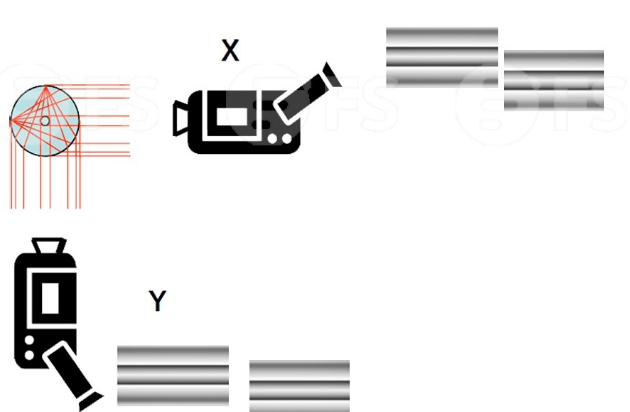
The core alignment optical fiber splicing machine uses Core Detection System (CDS), sometimes called Profile Alignment System (PAS), with six motors and two CCD cameras built in to align the fiber through the side projection system.
The alignment process of the optical fiber is as follows: the light emitted by the red light source inside the welding machine illuminates the optical fiber through the reflector, then converges into the objective lens, and then images on the Charge Coupled Device (CCD) of X and Y cameras. Because of the different refractive index of the core and cladding, the gray scale of the imaging on the Charge Coupled Device (CCD) is different, forming bright and dark stripes, and these stripes are aligned by a certain algorithm.
The core alignment optical fiber fusion splicing machine has high welding performance and low loss, so it is suitable for optical fiber fusion in all applications, and the effect is excellent in the fusion of old optical fiber and new optical fiber.


Cladding alignment type.


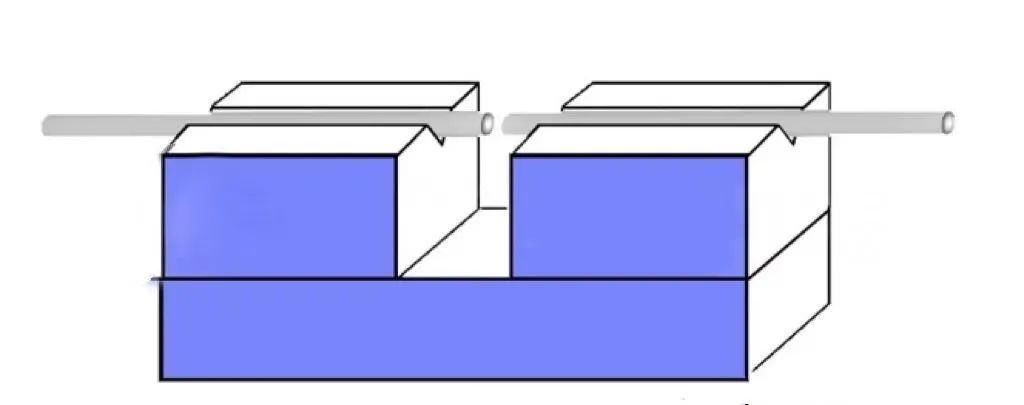
The cladding alignment optical fiber fusion machine is equipped with two motors and a camera. The optical fiber alignment process is as follows: the optical fiber to be fused is placed in a fixed V-shaped slot respectively, and then the camera is used to adjust the position of the fixed V-shaped slot according to the concentricity of the optical fiber, so that the cladding of the two optical fibers are aligned. Finally, two motors are used to promote the optical fiber for electrode discharge fusion.


The cladding alignment optical fiber welding machine requires high precision of fixed V-shaped grooves and must be clean and pollution-free.
In addition, because the welding machine is aligned with the cladding of the optical fiber rather than the optical fiber, the loss of the welded optical fiber is also relatively large.
Generally speaking, the cladding alignment optical fiber welding machine is suitable for single-mode and multi-mode optical fiber welding applications with short-distance transmission.

Concluding remarks.


Cladding alignment optical fiber welding machine is mainly used in optical fiber household and other occasions where the quality of optical fiber fusion is not too high, and the price is relatively cheap.
The core alignment optical fiber splicing machine is equipped with a precision six-motor alignment system, including a focusing motor, and a specially designed optical lens and software algorithm, which can accurately identify the type of optical fiber and automatically select a matching fusion mode for fusion, in order to ensure the welding quality; its technical content is relatively high, in addition to being used for optical fiber entry, it can also be used for trunk optical fiber fusion, so the price will be relatively high.