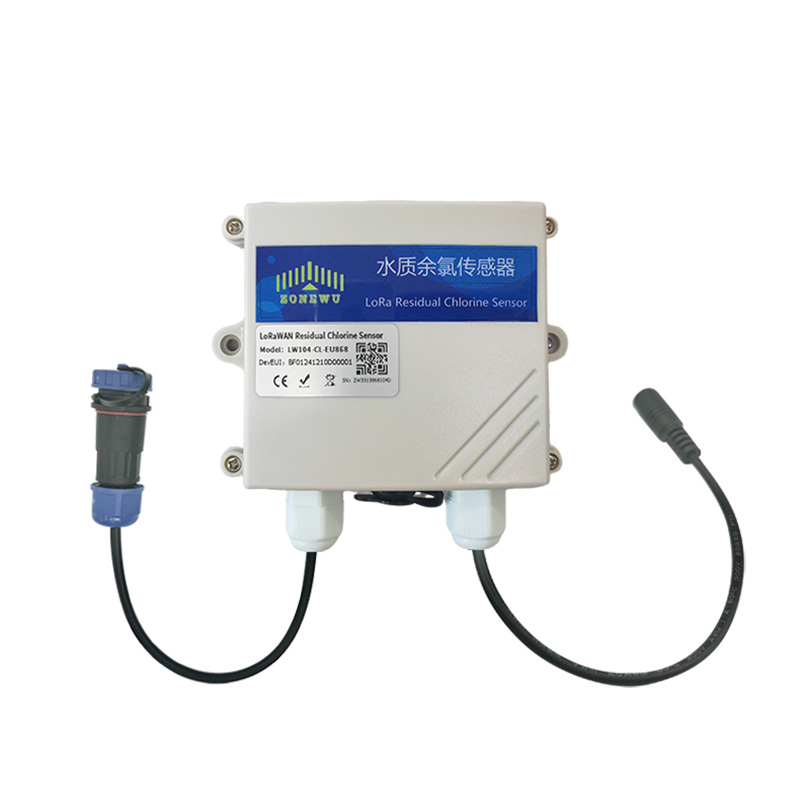
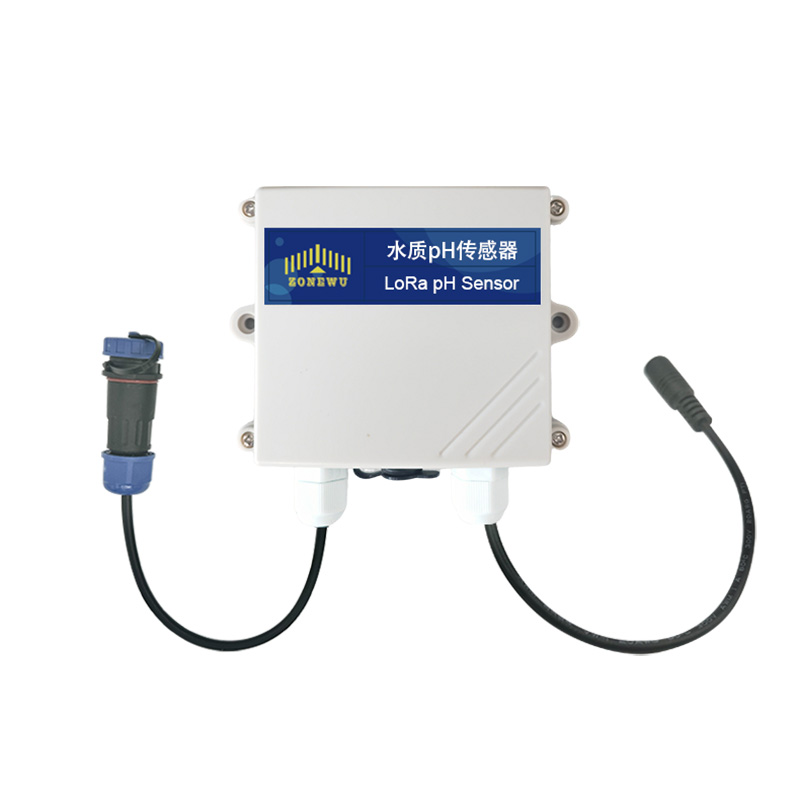
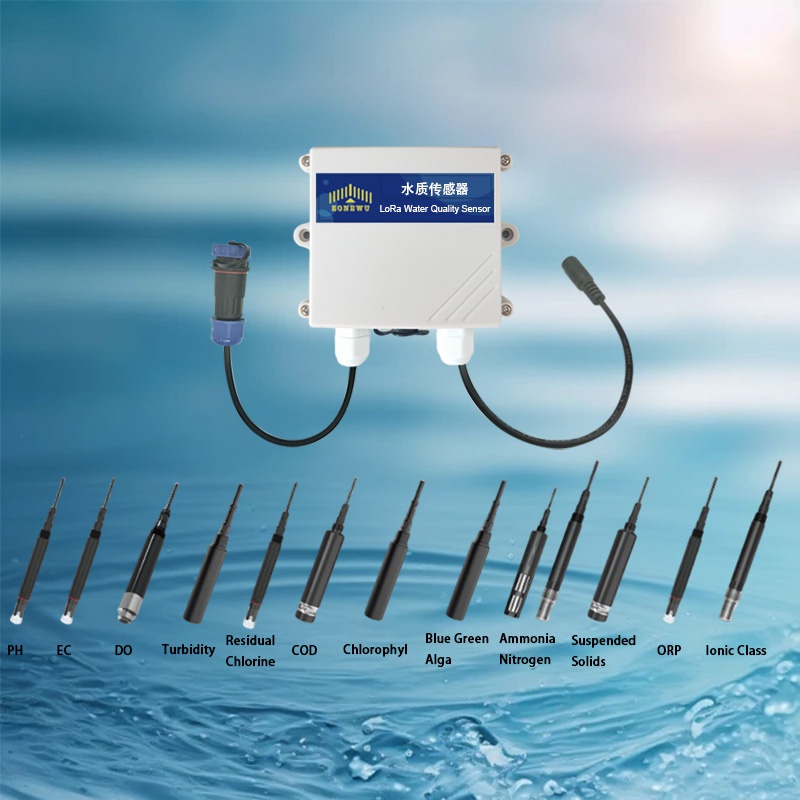
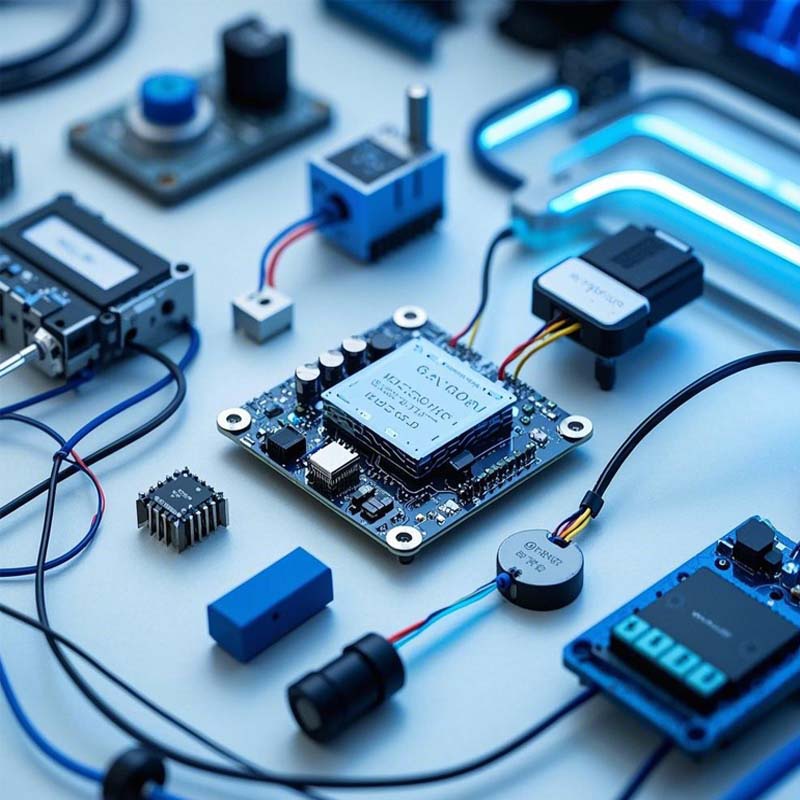
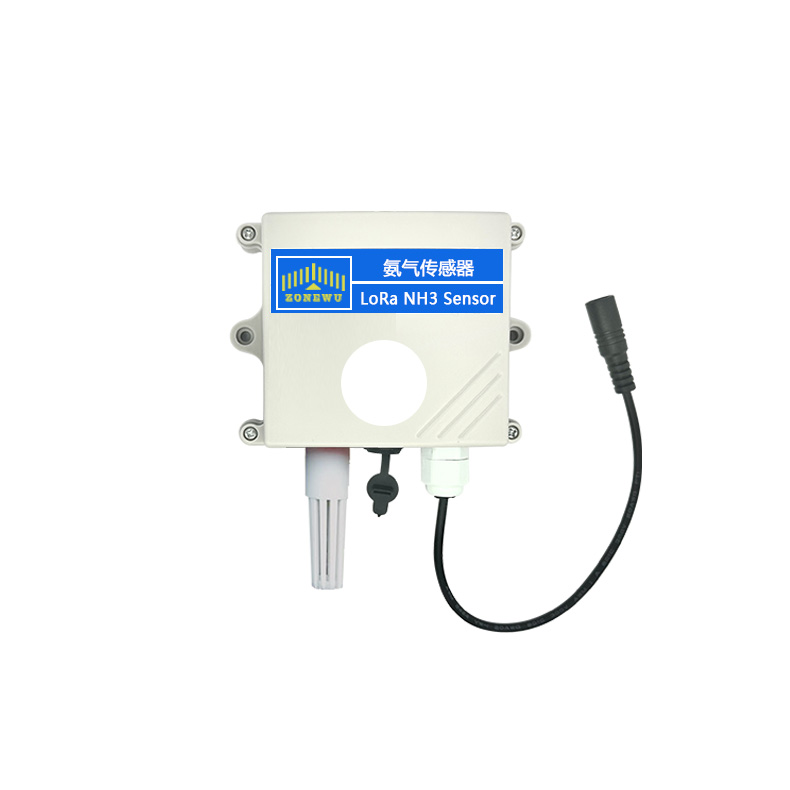
The LoRaWAN water quality dissolved oxygen sensor is a device used to measure the content of dissolved oxygen in water and transmit data through LoRaWAN wireless communication technology. The following provides a detailed introduction:


Operational Principle 

  • Polar method: sensor head with gold material cathode and silver anode, applied voltage between the two poles, the electrode cavity, filled with electrolyte, permeability membrane will separate the electrolyte and water samples, oxygen molecules through the membrane into the sensor, in the cathode is reduced, the current is proportional to the oxygen pressure, current value processed by the transmitter and display as oxygen concentration or percentage saturation.
  • Fluorescence: optical oxygen sensor is equipped with LED light source, detector and membrane cap with fluorescent coating. The fluorescent coating oxygen molecules and oxygen pressure in the measured medium, coating marker molecules by LED light source excitation red fluorescence, oxygen molecules will weaken the fluorescence intensity and shorten the luminous time, the detector receives fluorescence extinguish light signal, the higher the oxygen content in the medium, the shorter the fluorescence time, the lower the oxygen content, the longer the luminous time.


Characteristic 

  • Low power consumption: using LoRaWAN communication technology, with the characteristics of low power consumption, can use battery power supply, suitable for the field, remote areas or places without mains power supply for long-term monitoring.
  • Long-distance transmission: LoRaWAN technology has a long transmission distance, and the communication distance can reach several kilometers or even farther in open areas, which can realize the distributed monitoring of a large area of water.
  • Strong anti-interference ability: it has a good resistance to electromagnetic interference in the water environment to ensure the stability and accuracy of data transmission.
  • Easy to deploy: no need to lay complex communication lines, easy to install, can quickly build water quality monitoring network.


Application Area 

  • Aquaculture: real-time monitoring of dissolved oxygen content in aquaculture water, timely detection of hypoxia, to avoid fish death due to hypoxia, improve aquaculture efficiency.
  • Environmental monitoring: used for water quality monitoring of rivers, lakes and oceans, understand the ecological status of water bodies, and rovide data support for environmental protection and water resources management.
  • Industrial wastewater treatment: monitoring the dissolved oxygen content in industrial wastewater can help to optimize the wastewater treatment process, improve the treatment efficiency, and ensure the standard discharge.


The Promises and Challenges of IoT Sensors


The Internet of Things (IoT) has been revolutionizing various industries, and IoT sensors play a crucial role in this transformation. These sensors are designed to collect data from the physical environment and transmit it to other devices or systems for further analysis and action.


One of the significant related issues of IoT sensors is data security and privacy. As sensors gather sensitive information about individuals, businesses, and infrastructure, protecting this data from unauthorized access and malicious attacks is of utmost importance. Hackers may attempt to intercept the data transmitted by sensors, which could lead to serious consequences such as identity theft, industrial espionage, or even endangerment of lives in critical systems like healthcare and transportation. Manufacturers and developers need to implement robust encryption techniques and authentication protocols to safeguard the integrity and confidentiality of the data.


Another concern is the interoperability of IoT sensors. With a vast array of sensor types and manufacturers in the market, ensuring that different sensors can communicate and work together seamlessly is a challenge. Standardization efforts are underway to establish common communication protocols and data formats, but there is still a long way to go. Lack of interoperability can limit the scalability and effectiveness of IoT applications, as it becomes difficult to integrate sensors from multiple sources into a unified system.


Power consumption is also a critical issue. Many IoT sensors are battery-powered, and their limited energy resources pose a constraint on their operation. Sensor designers are constantly striving to develop low-power consumption technologies and energy-efficient algorithms to extend the battery life of these devices. This is especially important for applications where replacing batteries frequently is impractical or costly, such as in remote or inaccessible locations.


The accuracy and reliability of IoT sensors are essential for the quality of the data they provide. Environmental factors, sensor drift, and calibration errors can affect the precision of the measurements. Regular calibration and maintenance procedures are necessary to ensure the sensors deliver accurate and consistent data over time. In some applications, such as in industrial control systems or scientific research, even a small error in sensor readings can lead to significant operational problems or incorrect conclusions.


Moreover, the management and governance of IoT sensors are complex. As the number of sensors deployed continues to grow exponentially, there is a need for efficient systems to manage their deployment, configuration, and monitoring. This includes tasks such as firmware updates, fault detection, and performance optimization. Additionally, regulatory frameworks need to be established to ensure the proper use and operation of IoT sensors, especially in areas that impact public safety and privacy.


While IoT sensors offer tremendous opportunities for innovation and improvement in various sectors, they also present several related issues that need to be addressed. By focusing on data security, interoperability, power consumption, accuracy, and management, the full potential of IoT sensors can be realized, leading to a more connected, intelligent, and efficient world. Continued research and development, along with collaborative efforts between industry, academia, and governments, will be crucial in overcoming these challenges and driving the widespread adoption and success of IoT sensor technologies.


Iot Sensors


Selecting the right server model is crucial for businesses seeking optimal performance, scalability, and reliability in their IT infrastructure. With a wide array of options available, it's essential to stay informed about the latest server models that cater to varying business needs. In this article, we recommend top server models that excel in delivering exceptional performance, scalability, and reliability, helping you make an informed decision for your organization.

  1. Model A: PowerEdge R740
    The PowerEdge R740 is a versatile server model that offers a perfect balance of performance and scalability. Equipped with state-of-the-art Intel® Xeon® processors, high-speed memory modules, and ample storage options, this server provides exceptional computing power and enables efficient data handling. With its flexible architecture and expandable design, the PowerEdge R740 can seamlessly scale to accommodate the growing needs of your business.

  2. Model B: ProLiant DL380 Gen10
    The ProLiant DL380 Gen10 is a popular choice for businesses that prioritize reliability and performance. Designed to support a wide range of applications and workloads, this server model boasts powerful Intel® Xeon® processors, advanced security features, and high-speed memory capacity. With its robust and modular design, the ProLiant DL380 Gen10 offers scalability options, ensuring your infrastructure continually aligns with your evolving business requirements.

  3. Model C: ThinkSystem SR650
    The ThinkSystem SR650 is an enterprise-grade server model renowned for its exceptional performance and scalability. With the latest Intel® Xeon® processors, high-bandwidth memory, and storage flexibility, this server delivers impressive computing power, enabling businesses to handle complex workloads and demanding applications. The ThinkSystem SR650's innovative design allows for effortless scalability, catering to the growing needs of enterprises of all sizes.

  4. Model D: UCS C240 M5 Rack Server
    The UCS C240 M5 Rack Server, offered by Cisco, combines robust performance with advanced management capabilities. This server model features powerful Intel® Xeon® processors, flexible storage configurations, and high-speed networking options, enabling fast data processing, efficient resource allocation, and seamless connectivity. With its comprehensive management tools, the UCS C240 M5 ensures simplified infrastructure management and enhanced operational efficiency.

  5. Model E: HPE ProLiant ML350 Gen10
    The HPE ProLiant ML350 Gen10 offers an ideal server solution for small to medium-sized businesses seeking reliability and expandability. With its reliable performance, scalable storage capacity, and advanced security features, this server model empowers organizations to run critical applications with ease. The ProLiant ML350 Gen10's compact tower design and flexible expansion options make it a versatile choice for businesses looking for a cost-effective server solution.

Conclusion:
Choosing the right server model is crucial to ensure optimal performance, scalability, and reliability within an organization's IT infrastructure. The recommended server models mentioned above, such as the PowerEdge R740, ProLiant DL380 Gen10, ThinkSystem SR650, UCS C240 M5, and ProLiant ML350 Gen10, represent top-of-the-line solutions in the market today. By understanding your business requirements and considering factors such as performance, scalability, and reliability, you can make an informed decision to elevate your organization's IT infrastructure to new heights of success.

In the ever-evolving world of technology, storage plays a pivotal role in enabling seamless data management and accessibility. As one of the leading innovators, Huawei is continuously pushing the boundaries of storage solutions, delivering cutting-edge hard drives that cater to the dynamic needs of businesses and individuals alike. In this article, we delve into the latest market information on Huawei's hard drives, highlighting their features, benefits, and the impact they have on the industry.

  1. Unparalleled Performance:
    Huawei's latest hard drives offer unrivaled performance, combining state-of-the-art technology with innovative design. Utilizing advanced recording techniques and high data transfer speeds, these hard drives ensure faster access to information, efficient data backups, and optimized system performance. Whether it's handling large files or running resource-intensive applications, Huawei's hard drives excel in delivering exceptional performance.

  2. Enhanced Data Security:
    Data security is a top priority for any organization or individual. Understanding this critical concern, Huawei integrates robust security features into its hard drives, safeguarding your valuable data. With built-in encryption algorithms and real-time backup capabilities, Huawei's hard drives provide an extra layer of protection against unauthorized access, potential data breaches, and data loss scenarios. Say goodbye to sleepless nights worrying about the safety of your data.

  3. Seamless Integration and Scalability:
    Huawei's hard drives are designed to seamlessly integrate into various environments, ensuring compatibility with existing systems and infrastructure. Whether you're a small business or a large enterprise, these hard drives offer scalability options, allowing you to expand your storage capacity effortlessly. With Huawei's innovative solutions, you can future-proof your data storage needs, adapting to evolving business requirements with ease.

  4. Eco-Friendly and Cost-Effective:
    As sustainability gains increasing prominence, Huawei prioritizes environmental responsibility in its product design. These hard drives are built to consume less power, reducing carbon footprint while ensuring optimal performance. By choosing Huawei's hard drives, you not only contribute to a greener future but also enjoy long-term cost savings through energy efficiency.

  5. Industry Recognition and Customer Satisfaction:
    Huawei's hard drives have garnered significant recognition and positive feedback from industry experts and customers alike. With a track record of reliability, durability, and superior performance, they have become a trusted choice for businesses worldwide. The support network provided by Huawei ensures timely assistance, quick resolution of queries, and reliable after-sales services, resulting in high levels of customer satisfaction.


In a rapidly advancing digital landscape, Huawei stands at the forefront of storage innovation. Their latest hard drives provide unmatched performance, enhanced data security, seamless integration, and scalability options. With a strong commitment to sustainability and customer satisfaction, Huawei offers cutting-edge solutions that propel businesses forward while ensuring the safety and accessibility of their valuable data. Embrace the future of storage technology with Huawei's hard drives and experience a new standard of excellence.

Hey friends !

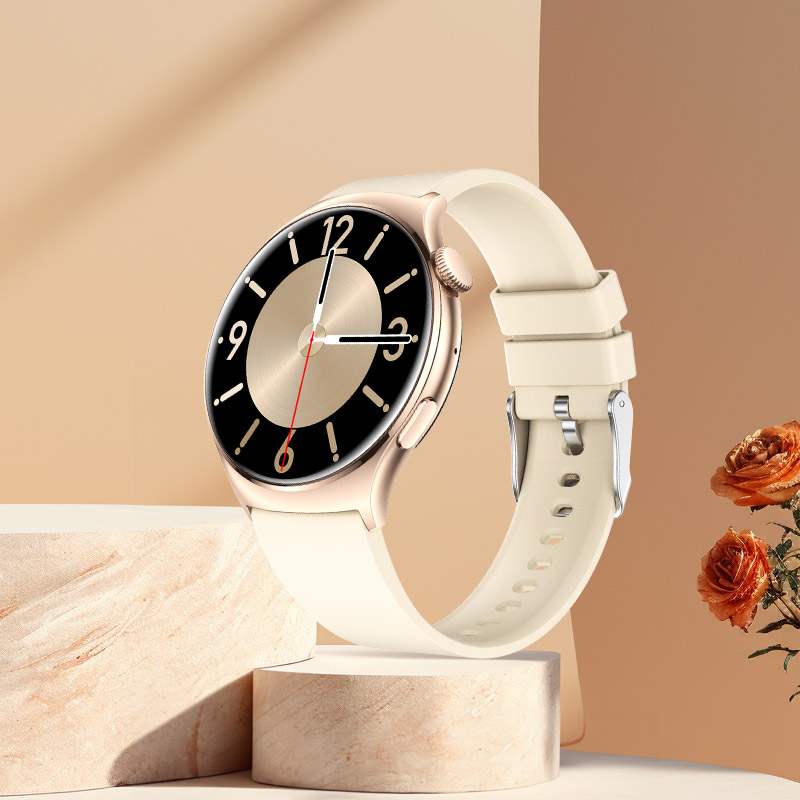
We are super excited to share with you a smartwatche right now - the North edge QX10 with Bluetooth call functionality.

This isn't just your average smartwatch. It's a game - changer that seamlessly integrates health management, sports management, and daily life management into one sleek device. Whether you're an athlete training for a marathon, someone who wants to keep tabs on their health, or just looking for a convenient way to manage your daily tasks, the QX10 has got you covered.

First off, let's talk about its display. The 1.43 - inch AMOLED screen with a resolution of 466 * 466 pixels is an absolute stunner. 

Now, the Bluetooth call feature is a real standout. Answering calls on your wrist has never been easier. 

And for those health - conscious folks, the QX10 offers 24 - hour heart rate and blood pressure monitoring. You can keep a close eye on your vital signs throughout the day, which is not only great for fitness tracking but also for overall health awareness. Blood oxygen saturation monitoring is also on the menu, giving you a complete picture of your well - being.

In conclusion, the North edge QX10 is more than just a smartwatch; it's a lifestyle upgrade. If you're in the market for a new smartwatch, do yourself a favor and check out the QX10. You won't be disappointed!

north edge watch


The rated voltage range of chip tantalum capacitor is 4 ~ 50V, the capacitance range is 0.047 ~ 330 uf, and the working temperature range is -80°C+ 155 ℃.

Packaging is divided into three types: non packaging type, molding packaging type and resin packaging type. It has the characteristics of good high frequency characteristics, large capacity, small volume, low impedance and small leakage current, widely used in computers, mobile phones, pagers, program-controlled exchanges, fax machines and military equipment.


International market development

Due to the wide range of tantalum electrolytic capacitor capacity and the high maturity of chip technology and product structure, the total production and chip rate are increasing year by year. According to relevant reports, the output of tantalum electrolytic capacitors in the world increased from 11 billion in 1995 (market demand of US $2.165 billion) to 18 billion in 1998, 21 billion in 1999, 24 billion in 2000, 27 billion in 2001 and 31 billion in 2002. The average annual growth rate of tantalum electrolytic capacitors was 16.9% from 1995 to 2000 and 13.6% from 2000 to 2002.


The market demand of traditional lead tantalum electrolytic capacitor is decreasing year by year, while that of chip tantalum electrolytic capacitor is increasing year by year. The global output of chip tantalum electrolytic capacitors has increased from 7.9 billion in 1995 with chip rate of 71% to 19 billion in 2000 with chip rate of 80%. At present, the chip rate has exceeded 90%. Its development direction is as follows:


(1) High reliability with the chip tantalum electrolytic capacitor is widely used, in order to ensure the normal operation of electronic equipment, and suitable for all kinds of harsh environment, its reliability is put forward higher and higher requirements. Led by the United States, in order to meet the needs of military equipment and constantly improve its reliability, such as satellites, space shuttles, etc. have reached the level of eight or more reliabilities.


(2) With the continuous improvement of the specific capacitance of tantalum powder, the large capacity chip tantalum electrolytic capacitor is developing continuously: first, under the condition of the same size, volume and voltage resistance, the capacitance of chip tantalum electrolytic capacitor is increasing; The second is to develop chip tantalum electrolytic capacitors with high voltage and larger capacity to meet the needs of the development of electronic machines.


(3) Small volume is represented by Japan, small volume chip tantalum electrolytic capacitor is developing continuously, in addition to large-scale production and large-scale put on the market 0805, 0402 has been successfully developed in the laboratory.


(4) High frequency and low equivalent series resistance (ESR) at the end of 1980s, the United States first developed chip tantalum electrolytic capacitor with low ESR, which was widely used in military electronics. Such as T494 andT495 of KEMET, TPS of AVX, 595Dof Sprague, etc. It is reported that KEMET has developed an ESR of less than 20 m Ω Products.


At present, AVX, NEC, Hitachi, Matsushita and KEMET are the main manufacturers of tantalum electrolytic capacitors in the world, with an annual capacity of 2-7 billion. Among them, AVX company of the United States accounts for 25% of the market share of chip tantalum electrolytic capacitors in the world, and the quotation of AVX and KEMET is very low, which makes domestic enterprises unable to compete with them.


China market development

The domestic market of chip tantalum electrolytic capacitors has two characteristics: one is that 90% of the market share is occupied by imported products; the other is that the average price of domestic products is about twice that of imported products. These means that domestic enterprises have encountered serious resistance in developing chip tantalum electrolytic capacitors, and the products have been defeated by the price war before entering the market.


In 2000, 3.324 billion tantalum electrolytic capacitors were imported, with a year-on-year growth of 306.4%, and foreign exchange consumption of 624.833 million US dollars, with a year-on-year growth of 273.7%; Domestic production is 1.265 billion, export is 1.069 billion, with a year-on-year growth of 58.4%, and foreign exchange earning is 526.63 million US dollars, with a year-on-year growth of 95.3%; The total demand of domestic market is 3.52 billion pieces and 77 million US dollars; The market share of domestic chip tantalum electrolytic capacitors is 5.6% and 16.2% respectively. The gap is due to the fact that the average domestic price of domestic chip tantalum electrolytic capacitors is three times that of imported products. The low market share makes us see the big gap.


In 2001, domestic production of chip tantalum electrolytic capacitors was 1.92 billion, with a year-on-year growth of 51.5%. Although it was the low tide year of world economic development, the export still increased by 52.4% year-on-year to 1.63 billion, but because the average export price decreased by 51.0%, the foreign exchange earning was only 422.32 million US dollars, with a year-on-year decline of 25.3%; Due to the great development of domestic mobile phone production, the import volume doubled to 7.576 billion over the same period of last year. As the average import price also dropped by 35.6%, the foreign exchange consumption was 925.2367 million US dollars, up only 46.9% over the same period of last year; The total demand of domestic market was 7.86 billion pieces and 108 million US dollars, with a year-on-year growth of 123.3% and 40.3% respectively; The total demand of domestic market was 7.86 billion pieces and 108 million US dollars, with a year-on-year growth of 123.3% and 40.3% respectively; The market share of domestic chip tantalum electrolytic capacitors is 3.7% and 11.9% respectively, and the market share continues to decrease.


In 2002, the average export price of domestic chip tantalum electrolytic capacitors increased by 43.1% instead of decreasing, so the export volume decreased by 25.5% to 1.214 billion, and the foreign exchange earned was 425135000 US dollars, up 6.7% year on year; The average import price rose more year-on-year, reaching 69.4%. However, due to the strong demand in the domestic market, the import volume still increased by 20.2% year-on-year, reaching 9.108 billion, and the amount of foreign exchange increased by 103.7% year-on-year to 194 million US dollars; It is estimated that the annual output of chip tantalum electrolytic capacitors in China will be 1.52 billion, with a year-on-year decrease of 20.8%; The total demand of the domestic market was 9.4 billion pieces and 213 million US dollars, with a year-on-year growth of 19.7% and 97.2% respectively; The market share of domestic chip tantalum electrolytic capacitors is 3.2% and 9.1% respectively, which is still declining.


The mainland of China has become one of the largest consumers and main producers of chip tantalum electrolytic capacitors in the world. However, due to the low level of domestic production technology, especially the high production cost and average export price of domestic enterprises, not only the export is reduced, but also the products are difficult to enter the domestic mobile phone production market. The domestic market share is getting lower and lower, and the domestic market demand is met by a large number of imports. The development of chip tantalum electrolytic capacitors in China is facing serious challenges, and domestic enterprises have a long way to go.


In the face of the reality of the rapid development of chip tantalum electrolytic capacitor domestic market, it is only a drop in the bucket, and it is beyond expectation. I don't know when the situation of organic meeting but not challenging will come to an end.



1. Bypass (decoupling)

This is a low impedance path for some paralleled components in AC circuits. In electronic circuits, decoupling capacitors and bypass capacitors both play a role in anti-interference. Capacitors are in different positions and have different names. For the same circuit, the bypass capacitor takes the high-frequency noise in the input signal as the filtering object, and filters the high-frequency clutter carried by the previous stage. The decoupling capacitor is also called decoupling. Capacitors are designed to filter out interference from output signals. We can often see that a decoupling capacitor is connected between the power supply and ground. It has three functions: one is to serve as an energy storage capacitor for the integrated circuit; the other is to filter out high-frequency noise generated by the device and cut off The propagation path through the power supply circuit; the third is to prevent the noise carried by the power supply from interfering with the circuit.

2. Coupling

The ceramic capacitor used in the coupling circuit is called a coupling capacitor. It is used extensively in RC-Coupled Amplifiers and other capacitive coupling circuits. It acts as a DC-to-AC barrier. It acts as a connection between two circuits and allows AC. The signal passes and is transmitted to the next stage circuit.

3. Filtering

The ceramic capacitor used in the filter circuit is called a filter capacitor. The filter capacitor removes the signal in a certain frequency band from the total signal. Therefore, in the power circuit, the rectifier circuit changes the AC to a pulsating DC, and After that, a large-capacity ceramic capacitor is connected, and its charging and discharging characteristics are used to make the rectified pulsating DC voltage into a relatively stable DC voltage.

4. Resonance

The safety capacitors used in LC resonant circuits are called resonance capacitors. This type of capacitor circuit is required in both LC parallel and series resonance circuits.

5. Temperature compensation

Compensate for the effects of the insufficient temperature adaptability of other components to improve the stability of the circuit.

6. Tuning

Is a system tuning for frequency-related circuits, such as mobile phones, radios, and televisions.

7. Energy storage

Energy storage is the storage of electrical energy for release when necessary. Such as camera flash, heating equipment and so on. (The energy storage level of many capacitors can now approach the level of lithium batteries, and the energy stored in a capacitor can be used by a mobile phone for a day).


In the usual circuit design and practical application of high-voltage ceramic chip capacitors, the biggest advantage is that this high-voltage capacitor has a very high current climb rate, which is especially suitable for high-current loop non-inductive structures.

This advantage makes it particularly suitable for the selection and use of high-voltage substations.

At the same time, the high-voltage capacitor of this material also has high stability, and its own capacity loss changes with temperature and frequency, and its own special series structure also makes it very suitable for long-term stable in high-voltage environment  jobs.

Lithium-ion (Li-ion) batteries have become the standard for powering portable electronics, from smartphones to laptops and electric vehicles. Their high energy density, rechargeability, and long lifespan make them a top choice for modern technology. 


High performance lithium-ion battery


As the dominant player in the field of rechargeable batteries, lithium-ion batteries have been fully applied to mobile phones, laptops, electric vehicles and other scenarios with their high energy density (200-300Wh/kg) and long cycle life (500-1000 charge and discharge times). Its core advantages are:

Lightweight: 70% lighter than traditional lead-acid batteries, easy to carry.

No memory effect: support charging on-the-go without full discharge.

Fast charging: Some models support charging to 80% in 30 minutes.


Long cycle life lithium-ion battery


However, lithium-ion batteries also have weaknesses:

Overcharging or high temperature can easily cause safety hazards.

Long-term storage requires 50% power to prevent aging.


Applications of Lithium-ion Batteries:

Smartphones and tablets

Laptops and portable electronics

Electric vehicles

Power tools

Drones


In the future, solid-state lithium-ion battery technology is expected to further improve safety and energy density and promote innovation in the new energy industry. At Warriors, we specialize in high-performance lithium-ion batteries that deliver unmatched power and reliability. Whether you're looking for batteries for consumer electronics or industrial applications, our products are designed to meet the highest standards. Embrace the future of energy—choose our lithium-ion batteries today!

Button batteries, also known as coin batteries, Button batteries are widely used in micro devices such as watches, calculators, and hearing aids due to their small size and stable performance. Common types include lithium button batteries (CR2032) and silver oxide button batteries (SR44), the former is low-cost and the latter has a more stable voltage.


lithium button batteries (CR2032)


Why Button Cell Batteries Are Unique?

Compact size: Their small size allows them to fit seamlessly into tiny devices.

Long Shelf Life: Button cell batteries can retain their charge for years, making them perfect for infrequently used devices.

Versatility: They come in various chemistries, including silver oxide, lithium, and alkaline, to suit different needs.


Button batteries are typically used in:

  • Watches and clocks
  • Hearing aids
  • Calculators
  • Remote controls for cars
  • Small electronic toys
  • Medical devices


Safety Considerations:


Child-resistant button battery


  • Button batteries pose a risk to children, as they can be easily swallowed. To prevent accidents:
  • Always store batteries safely, away from children.
  • Never leave devices with button batteries unattended around small children.
  • In case of ingestion, seek immediate medical attention.


Other things to note when using button batteries:

Prevent short circuits: avoid mixing with metal objects to prevent accidental discharge.

Replacement cycle: Even if not used, it is recommended to replace it every 2 years to prevent leakage.

Environmental recycling: Button batteries containing mercury or lithium need to be recycled separately.


When purchasing, you need to check the model marked on the device (such as CR2025, LR44). The wrong size may cause damage to the device. At Warriors, we offer a wide range of button cell batteries to meet your specific requirements. Whether you need a battery for a medical device or a fitness tracker, our products ensure uninterrupted performance. Shop now and experience the power of precision!