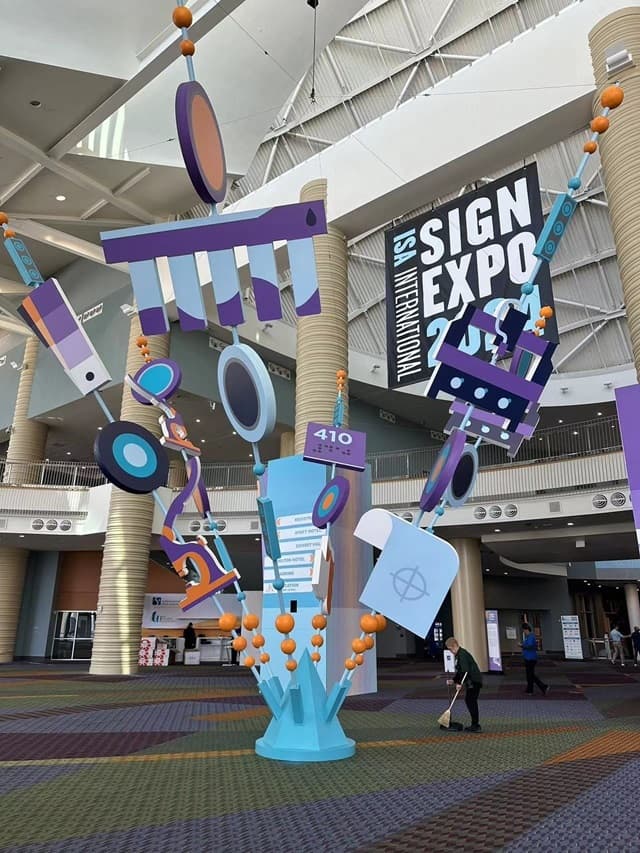
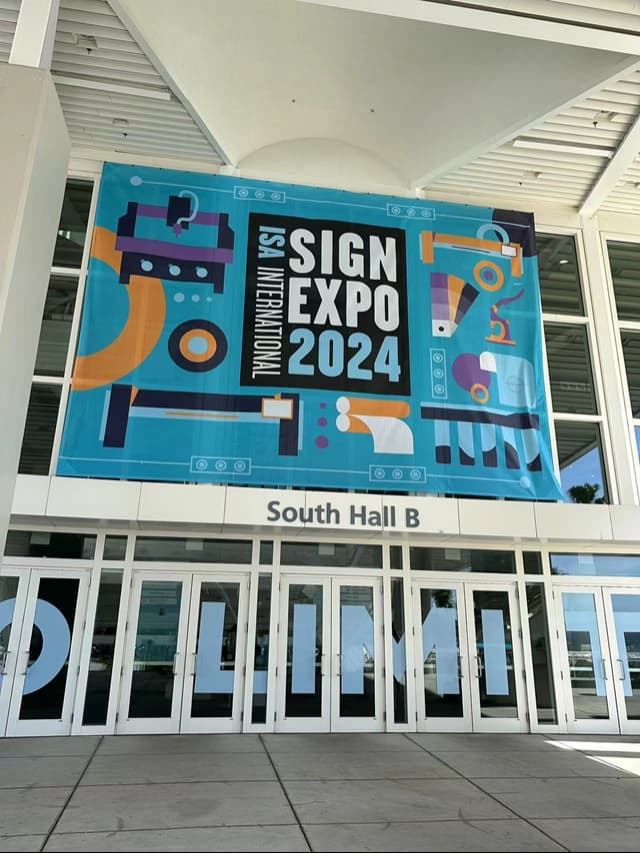
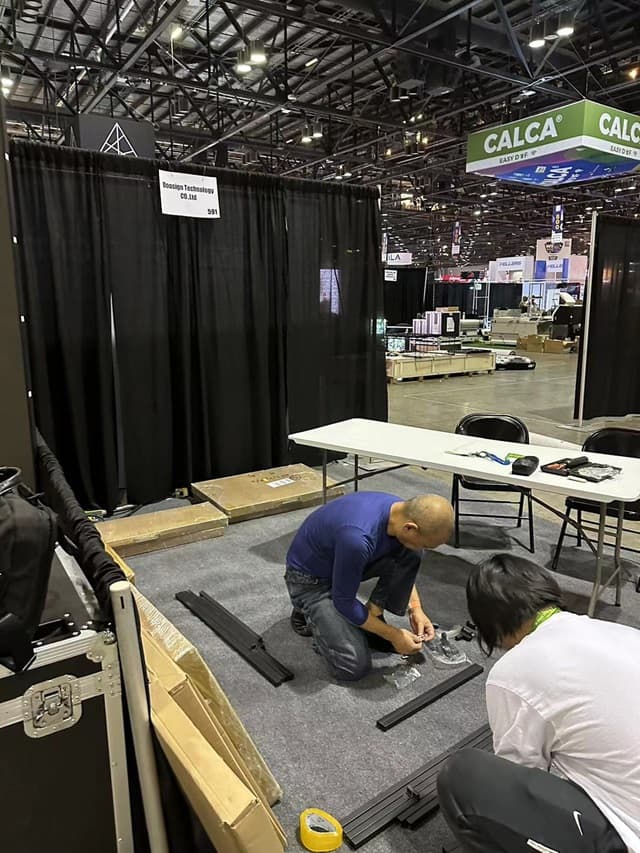
Our team are on their way to ISA International Sign Expo 2024 in Orlando,FL, USA!


Find us at Booth 591 from April 10th to April 12th,2024, where you can meet our experts and view our incredible products.


Schedule an appointment with our experts or come by our stand - we look forward to seeing you!


In today's fast-paced event industry, high-quality visual displays play a crucial role in captivating audiences and creating immersive experiences. At Gemsign LED, we specialize in providing top-tier rental LED displays and freeform LED screens to elevate events, exhibitions, and advertising campaigns with unmatched clarity and dynamic performance.


1. Why Choose Rental LED Displays?

Rental LED Displays are the perfect solution for short-term events such as concerts, trade shows, sports events, and corporate presentations. They offer:

  • High Resolution & Brightness – Ensuring clear visibility even in outdoor settings.
  • Easy Installation & Dismantling – Quick setup with lightweight, modular designs.
  • Seamless Performance – Reliable visuals with smooth transitions and real-time content updates.
  • Cost-Effective Solution – Enjoy premium LED displays without long-term investment.


At Gemsign LED, our rental solutions provide flexible configurations tailored to different event needs, ensuring a spectacular visual experience every time.


2. Transform Your Creativity with Freeform LED Screens

For businesses looking for more creative and custom display solutions, Freeform LED Screens offer the ultimate flexibility. These innovative LED displays can be shaped into curved, irregular, or artistic designs to create unique visual experiences. Benefits include:

  • Customizable Shapes & Sizes – Fit any space, from curved walls to 3D structures.
  • High-Definition Display – Vivid colors and deep contrast for eye-catching visuals.
  • Versatile Applications – Ideal for architectural designs, stage backdrops, and experiential marketing.
  • Energy-Efficient Technology – Low power consumption with high performance.


With Gemsign LED, you can turn your creative visions into reality, making your brand stand out in any environment.


3. Why Choose Gemsign LED?

As a professional LED display manufacturer, Gemsign LED is committed to providing cutting-edge solutions tailored to diverse business needs. When you partner with us, you benefit from:

  • Industry-Leading Technology – Advanced LED display innovations for superior performance.
  • Custom Design Solutions – Tailored options to match unique project requirements.
  • Reliable Support & Maintenance – Expert assistance from consultation to post-installation.
  • Global Reach & Competitive Pricing – High-quality LED solutions at cost-effective rates.


Whether you need a rental LED display for an upcoming event or a freeform LED screen to redefine your brand’s visual identity, Gemsign LED is your trusted partner for exceptional LED display solutions.


Explore our full range of products and services today!

With a growing global population and increasing consumer demand for high-quality protein, the broiler farming industry is undergoing unprecedented change. As an efficient and sustainable production mode, large-scale farming is becoming the mainstream trend of modern broiler production. This blog will discuss the advantages of large-scale farming, key technologies, and future development directions.


First, the advantages of large-scale farming

*Improve production efficiency

Large-scale farming has significantly improved production efficiency through centralized management, automated equipment and scientific feeding. Compared with the traditional free-range model, large-scale farming can significantly reduce labor costs and achieve a higher slaughtering rate.


*Ensure food safety

Large-scale farming enterprises usually adopt strict health management and quality control system, from feed, water to breeding environment, to ensure the safety of chicken products. In addition, large-scale farming also facilitates the implementation of a whole-process traceability system to ensure that the source of the product can be checked and the destination can be traced.


*Reduce production costs

Through centralized procurement of feed, vaccines and other production materials, large-scale farming can effectively reduce production costs per unit of product. At the same time, the application of automation equipment also reduces the waste of energy and resources.


*Promote sustainable development

Large-scale farming enterprises pay more attention to environmental protection and resource utilization efficiency. For example, the conversion of breeding waste into organic fertilizer or biogas through manure treatment technology not only reduces environmental pollution, but also realizes the recycling of resources.


Second, the key technology of large-scale farming

*Automation equipment

Modern large-scale farms widely use automated feeding, drinking, cleaning and environmental control systems. These devices not only improve production efficiency, but also reduce the error and risk caused by human operation.


*Scientific feeding management

Large-scale farming relies on scientific feeding management techniques, including precise nutritional formulations, staged feeding and disease prevention. Through data analysis and technical optimization, farming companies are able to achieve higher feed conversion rates and growth rates.


*Environmental control technology

Large-scale farms are usually equipped with advanced temperature and humidity control, ventilation and lighting systems to provide the most suitable growing environment for broilers. This not only improves the health of the chickens, but also reduces the incidence of disease.


*Epidemic prevention and control system

Large-scale farming enterprises have established a sound disease prevention and control system, including regular vaccination, biosecurity measures and epidemic surveillance. These measures have effectively reduced the risk of disease outbreaks and ensured the stable operation of farms.
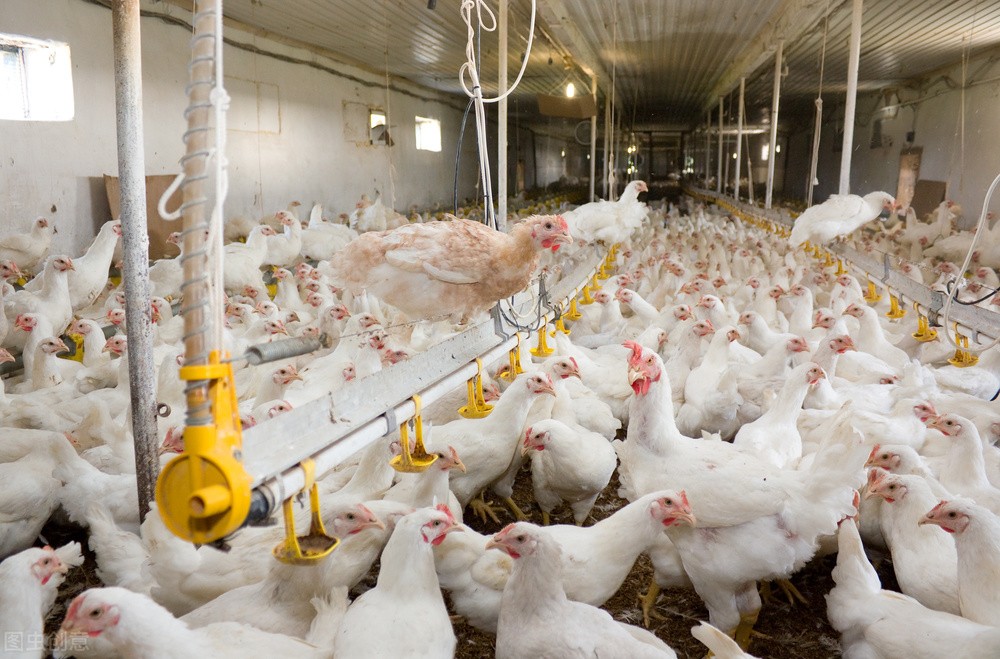
 

(This image is from the Internet.)


Third, the future development direction of large-scale farming

*Intelligent breeding

With the development of the Internet of Things, big data and artificial intelligence technology, intelligent farming will become the mainstream trend in the future. Through real-time monitoring and data analysis, farming companies can more accurately manage the production process, further improving efficiency and product quality.


*Green breeding

Consumers' demand for green and healthy food continues to grow, promoting the development of large-scale farming in the direction of green and environmental protection. For example, the promotion of organic feed and ecological cycle models will become an important direction in the future.


*Integration of the whole industrial chain

Large-scale farming enterprises will further extend upward and downstream, forming a whole industry chain model from breeding chickens, feed production to slaughter and processing, and food sales. This not only improves the enterprise's anti-risk ability, but also enhances the market competitiveness.


*International cooperation and standardization

With the acceleration of globalization, large-scale farming enterprises will strengthen cooperation with international advanced enterprises and introduce advanced technology and management experience. At the same time, promote the standardization of the industry and enhance the international competitiveness of broiler products.


Large-scale farming is the inevitable choice for modern broiler production, which not only improves production efficiency and product quality, but also provides strong support for the sustainable development of the industry. For poultry farming companies, seizing this trend, continuous innovation and optimization will be the key to winning the future market.


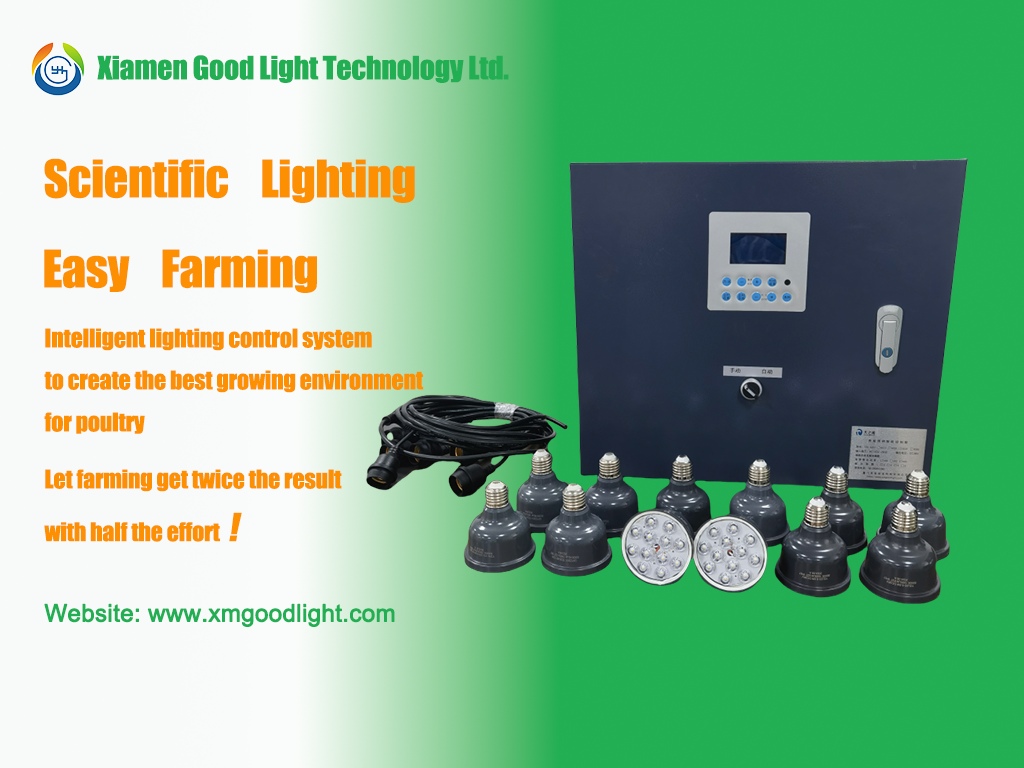
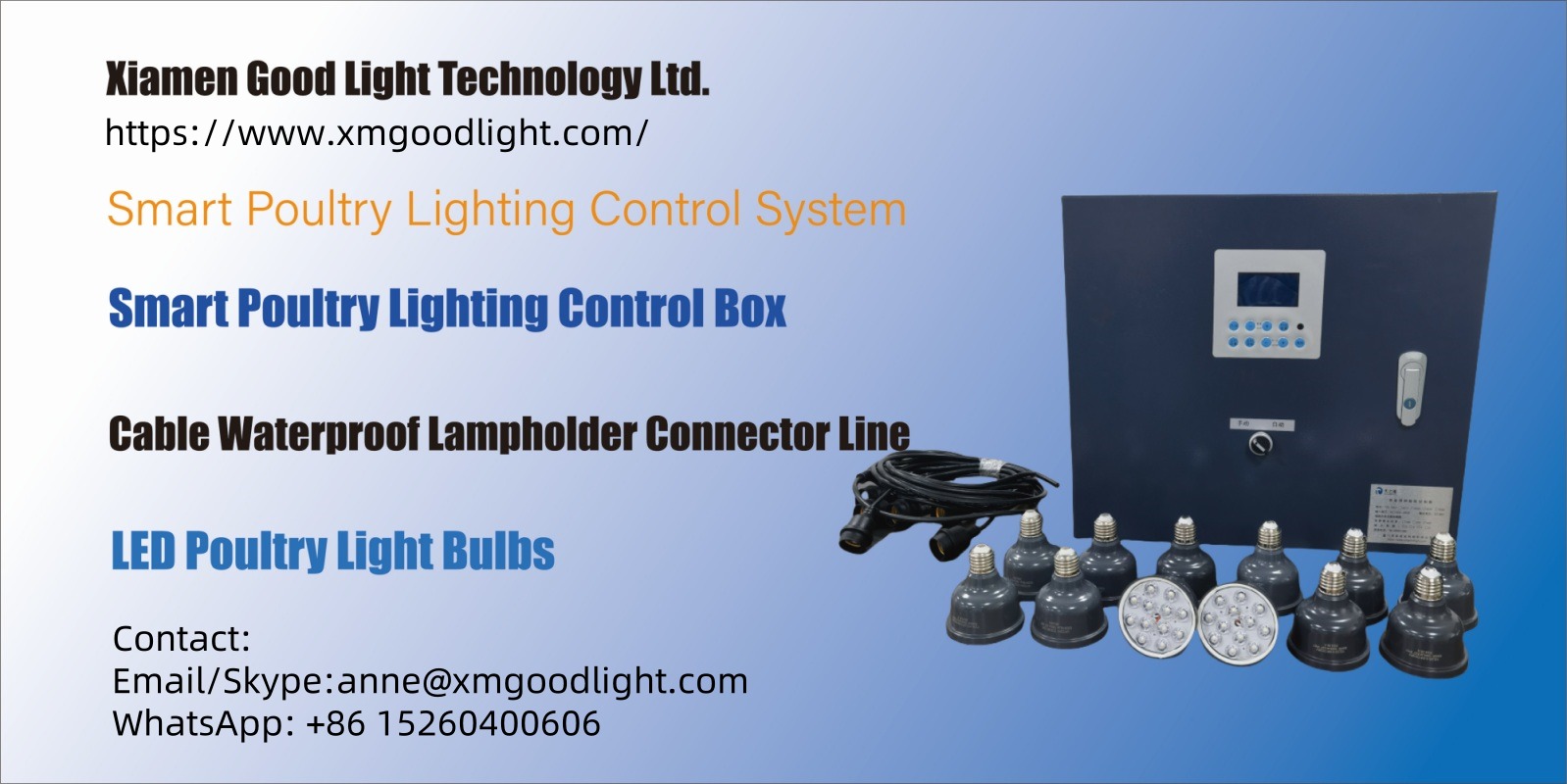
While on the road to large-scale farming, improving poultry lighting is an essential part. Now using our latest Poultry Lighting Control series products, you can easily achieve Intelligent Management Of Poultry Lighting, including brightness adjustment, time determination, color temperature change, single area control, etc. By using our poultry lighting control products, you can improve production efficiency and reduce the error and risk caused by human operation, further increase the production efficiency of poultry farming.


Lighting duration is a crucial factor in breeding management, which directly affects the growth, reproduction, behavior and health status of animals. Different kinds of animals have different needs for light, and scientific and reasonable arrangement of lighting duration can significantly improve breeding efficiency and animal welfare. The following are the main effects of different lighting duration on farming.


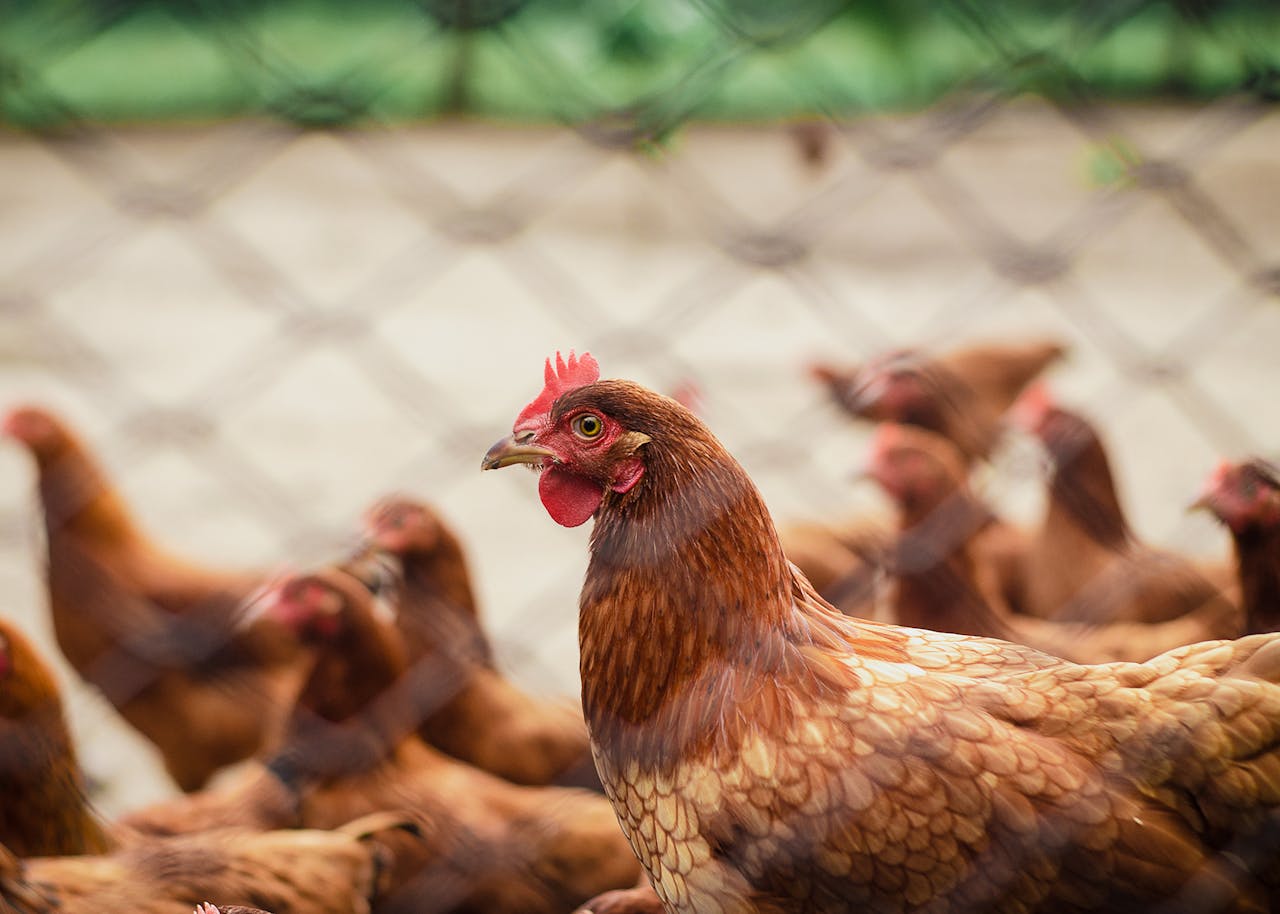
(Image source:Pexels)


1.Effect on growth performance

  *Appropriate lighting duration: can promote the metabolism of animals, improve feed conversion, accelerate growth.

  *Too long lighting duration: may cause animals to be overactive, consume too much energy, but affect growth.

  *Too short light duration: may inhibit the animal's appetite and activity, resulting in slow growth.


2.Effect on reproductive performance

  *Poultry (e.g. chickens)

   Increase the lighting duration: can stimulate the gonad development of hens, improve the egg production rate. A cycle of 16 hours of lighting and 8 hours of darkness is usually used.

   Reduce lighting duration: May result in a decrease in egg production or even stop egg production.

  *Mammals (e.g. pigs)

   Appropriate lighting duration: helps to regulate the estrus cycle of sows and improve reproductive efficiency.

   Too short light duration: may delay the sow's estrus and affect reproductive performance.


3.Effect on behavior

  *Regular lighting cycles: help animals develop a stable biological clock and reduce stress responses.

  *Sudden changes in lighting: May cause anxiety, increased aggression, or decreased appetite in animals.

  *Excessive lighting duration: May make the animal overactive, increasing the risk of fighting and injury.


4.Effect on immunity

  *Appropriate lighting: can enhance the immunity of animals, reduce the incidence of disease.

  *Too short lighting duration: May suppress immune system function and increase the risk of disease.

  *Too long lighting duration: may lead to animal fatigue, reduced immunity.


5.Effect on feed utilization

  *Appropriate lighting duration: can promote the regular feeding of animals, improve feed utilization.

  *Too short lighting duration: may reduce animal feed intake, affecting growth and reproduction.

  *Excessive lighting duration: May cause animals to expend excessive energy and reduce feed conversion.


6.Effect on meat quality and egg quality

  *Poultry

   Appropriate lighting duration: can improve eggshell quality and egg nutrients.

   Too long lighting duration: may lead to eggshell thinning, egg quality decline.

  *Mammal

   Appropriate lighting duration: helps to improve meat quality, increase muscle fat content and taste.

   Too short lighting duration: may lead to poor meat quality and insufficient fat deposition.


7.Effect on animal welfare

  *Appropriate lighting duration: can improve animal comfort and happiness, reduce abnormal behavior (such as feather pecking, tail biting, etc.).

  *Too short lighting duration: May cause depression and abnormal behavior in animals.

  *Too long lighting duration: may make animals tired and affect their normal rest.


8.Effect on economic efficiency

  *Scientific lighting management: can improve breeding efficiency, reduce feed costs and medical costs, increase economic benefits.

  *Unreasonable lighting time: may lead to slow growth, low reproductive efficiency and frequent diseases, increasing breeding costs.


Conclusion

Scientific and reasonable arrangement of lighting time is the key to improve breeding efficiency and animal welfare. Different kinds of animals have different needs for light, and farmers should formulate appropriate Lighting Solutions according to the types of animals, growth stages and breeding objectives.


Xiamen Good Light Technology Ltd. is a company that specializes in poultry and livestock farming lighting solutions design and R&D, production and sales of poultry and livestock lighting products. Our latest product intelligent farming lighting system, it is not only a lighting duration control system ,but also a lighting management control system. Through accurate lighting management, it can improve the growth rate and reproductive performance of animals, improve the quality of meat and eggs, reduce the incidence of disease, and ultimately maximize economic benefits.


An interactive board in school, also known as an interactive whiteboard, is a digital device that combines a traditional whiteboard with interactive technology. It typically consists of a large touch-sensitive display panel that functions as a computer screen, allowing users to control digital content using touch gestures, digital pens, or other input devices.

Interactive boards are used to enhance classroom teaching and learning experiences. Teachers can display educational content, such as textbooks, multimedia presentations, videos, and websites, directly on the board. They can interact with the content by navigating, highlighting, and annotating it in real-time. Students can also engage with the board, participating in interactive activities and collaborating with their peers.

The ifpdtech interactive board often integrates with educational software and resources, enabling teachers to access a wide range of educational materials and tools. This technology encourages active participation, boosts student engagement, and facilitates a more dynamic and interactive learning environment.

Besides touch interaction, some interactive boards may offer additional features like the ability to connect to devices wirelessly, capture and save notes or annotations, or even integrate with other classroom technologies such as document cameras or student response systems.

Overall, interactive boards provide a versatile platform for teachers to deliver engaging lessons, foster student collaboration, and promote interactive learning in the classroom


In the early years, people relied on paper maps for self-driving trips. However, paper maps cannot be used to check routes while driving, and cannot quickly determine the current location. With the continuous development and progress of technology, navigation devices have quietly entered people's daily lives, bringing great convenience. Next, let's talk about the role of crystal oscillators in navigation devices.


First, the crystal oscillator provides an accurate time reference in the navigation device. By synchronizing with the external GPS satellite, the crystal oscillator can ensure that the time inside the navigation device is consistent with the global standard time. This is essential for the normal operation of the navigation device because it needs to accurately calculate information such as position, speed and direction.


Secondly, the crystal oscillator also provides a stable frequency signal. In radio navigation equipment, the crystal oscillator acts as an oscillator to generate a stable oscillation frequency. These frequency signals are used to modulate and demodulate wireless signals to achieve communication with navigation satellites or ground base stations. The stability and accuracy of the crystal oscillator are essential to ensure reliable communication between navigation equipment and the outside world.

In addition, crystal oscillators also play the role of frequency synthesis in radio navigation equipment. By combining multiple crystal oscillators together, higher frequency band signals can be generated to meet the needs of different navigation systems. This frequency synthesis technology enables radio navigation equipment to operate in a wide frequency range, improving the flexibility and adaptability of the navigation system.


Crystal oscillators play an important role in providing accurate time reference and stable frequency signals in radio navigation equipment. Its stability, accuracy and frequency synthesis capability are essential to ensure the normal operation of navigation equipment and reliable communication with the outside world. Therefore, crystal oscillators play an indispensable role in radio navigation equipment.

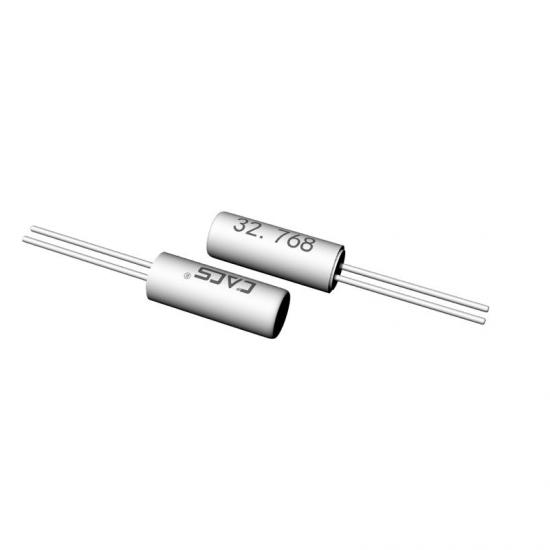
32.768kHz crystal is a commonly used clock source, especially in electronic devices. This crystal is often used in real-time clock (RTC) and timing applications, such as watches, alarm clocks, thermometers, pedometers, etc.

Working principle:

32.768kHz crystal oscillator is an oscillator that generates a stable frequency through resonance phenomenon. It usually consists of a quartz crystal and related circuits.

1. Quartz crystal: Quartz crystal is a key component of the crystal oscillator. It is a material with a highly lattice structure and stable mechanical properties. The shape of the crystal can be cylindrical or flake with electrodes on both sides, flake is more common. The size of the quartz crystal determines the stability of the oscillation frequency.

2. Oscillation circuit: The oscillation circuit drives the quartz crystal to the resonance point and provides feedback to maintain the stability of the oscillation. The oscillation circuit usually consists of an amplifier, a feedback network and a compensation circuit.

- Amplifier: The amplifier is responsible for boosting the crystal oscillator's signal to offset the damping caused by the oscillation circuit and external load.

- Feedback network: The feedback network feeds a portion of the crystal oscillator's output signal back to the amplifier to maintain the stability of the oscillation. This feedback enhances at a specific frequency and attenuates at other frequencies, so that the oscillator only oscillates at the resonant frequency.

- Compensation circuit: The compensation circuit is used to compensate for the influence of temperature, power supply voltage and crystal aging on the oscillation frequency. It can be realized by combining a temperature sensor and a dedicated circuit.

Once the oscillator is working, the quartz crystal will generate a stable oscillation signal at a frequency of 32.768kHz through the oscillation circuit. This signal can be used to drive time-related electronic devices such as RTC after passing through the frequency divider.

It should be noted that the frequency of the 32.768kHz crystal oscillator was chosen because it is 2 to the 15th power and can be easily divided by multiples of 2 to produce a lower frequency clock signal.

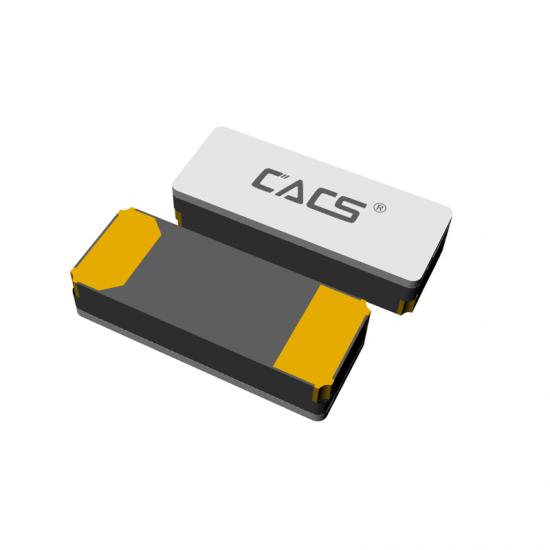
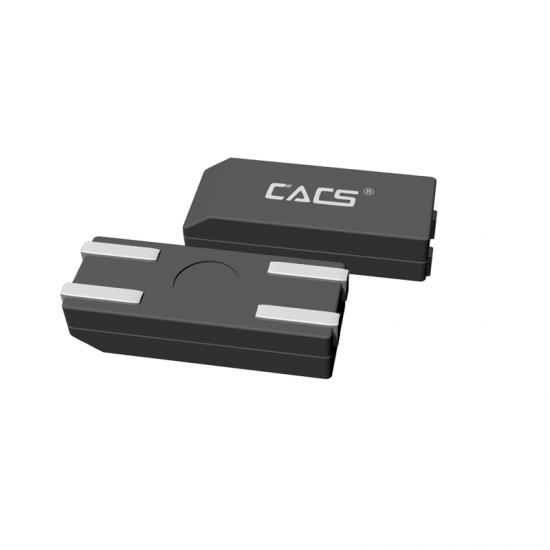
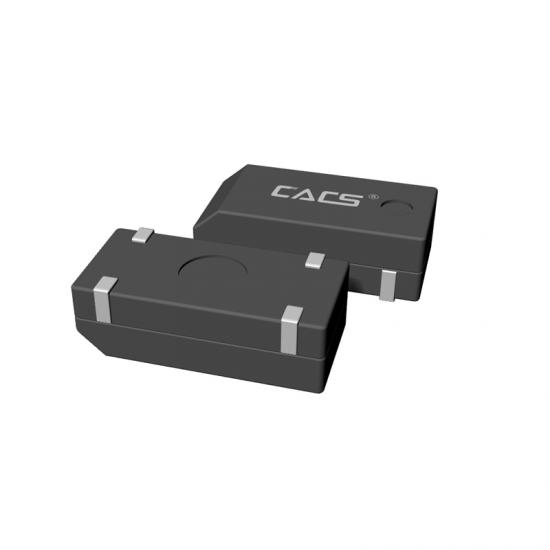
SMD Tuning Fork Crystal Unit7015 SMD Tuning Fork Crystal PMX145

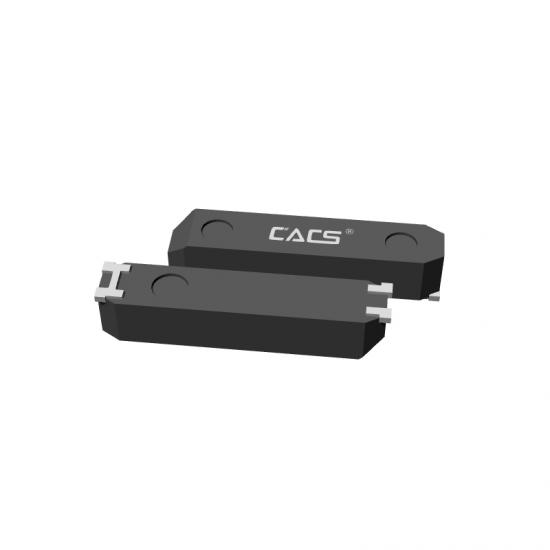
SMD Tuning Fork Crystal PMX405Tuning Fork Crystal Resonator

8038 SMD Tuning Fork Crystal PMX206


In today's digital era, optical communication technology has become the core force of information transmission. Fiber optical switches, as key components in optical communication systems, can achieve the switching and control of optical paths, and their importance is self-evident. For many enterprises and projects relying on optical communication technology, how to accurately select fiber optical switch devices that meet their own needs is the key to ensuring the efficient operation of the system, reducing costs, and enhancing competitiveness.


1. Clarify the Application Scenario and Requirements

First, identifying your application scenario is fundamental. Fiber optic switches are widely used in various scenarios, including high-speed data exchange, storage area networks (SANs), video transmission, and more. Different application scenarios have varying performance requirements for switches. For instance, data centers may require switches that support high-density ports, low latency, and high throughput, while remote communication sites may prioritize device stability and weather resistance.


2. Consider Port Quantity and Type

The number and type of ports directly impact the connectivity and flexibility of the switch. Based on your network size and equipment quantity, choose a switch with an appropriate number of ports. Additionally, confirm the required fiber optic interface type, such as LC, SC, ST, etc., and whether it supports single-mode or multi-mode fiber, as different modes of fiber are suitable for different transmission distances and bandwidth requirements.


3. Evaluate Bandwidth and Speed

With ever-increasing data transmission demands, high-speed networks have become the norm. Selecting a switch that supports sufficient bandwidth and speed is crucial. For example, fiber optic switches on the market today support speeds of 10Gbps, 40Gbps, 100Gbps, and even higher. Based on your network planning and future expansion needs, choose the appropriate bandwidth level.


4. Consider Redundancy and Failover

For mission-critical applications, redundancy and failover capabilities are vital. Ensure that the selected switch supports features such as link aggregation, port mirroring, ring network protection (e.g., STP/RSTP), to enhance network reliability and recovery capabilities.


5. Manageability and Compatibility

Ease of management and compatibility are also factors to consider when selecting a fiber optic switch. Switches that support multiple management methods, such as SNMP, web interfaces, and CLIs, can simplify operational and maintenance tasks. Additionally, ensure that the selected device is compatible with your existing network equipment, operating systems, and protocols to avoid potential compatibility issues.


Choosing the right fiber optic switch for your needs is a complex and detailed task that requires comprehensive consideration of the application scenario, port configuration, bandwidth speed, redundancy design, manageability, compatibility, and cost. Through meticulous needs analysis and market research, you can find a fiber optic switch device that not only meets your current needs but also has scalability, providing a solid foundation for your network architecture. Remember, the right choice can not only enhance network performance but also effectively reduce long-term operational and maintenance costs, safeguarding the continuous development of your business.


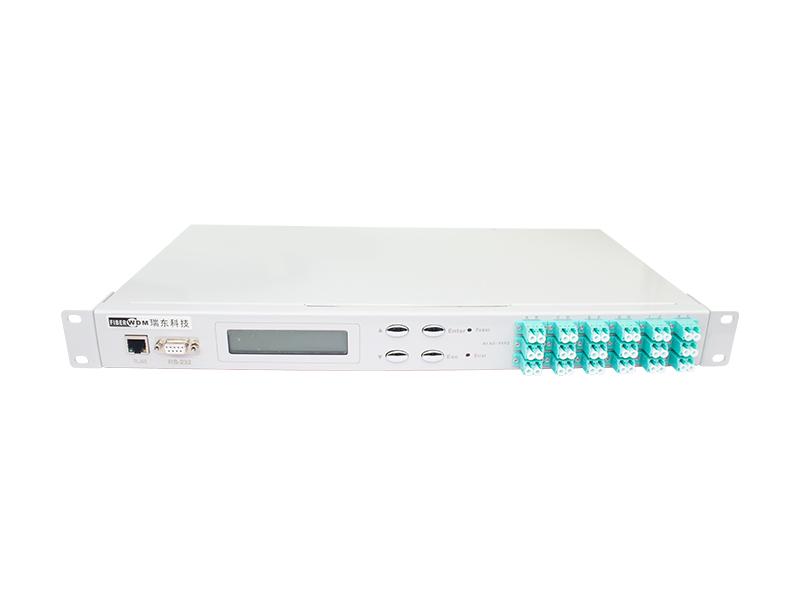
FIBERWDM, as a prominent Chinese supplier and manufacturer, offers fiber optical switches with characteristics such as High Reliability, Low Latency, Scalability, Compact Design, and Durability. Our product line includes various models such as 1X1, 1X2, 1X4, 1x8, 2X2,2X28and4X4, tailored to meet diverse networking needs. We pride ourselves on our customization capabilities, ensuring that our clients receive solutions that perfectly fit their specific requirements.


FiberWDM's Fiber Optic Switch support customization, if interested, please consult sales@fiberwdm.com.


Fiber optic switch devices have emerged as a cornerstone in modern communication networks, revolutionizing the way data is transmitted and managed. These devices leverage the unparalleled capabilities of fiber optics to provide high-speed, low-loss, and secure data transmission. Let's delve into the main applications of fiber optic switch devices and understand how they are shaping various industries.


1. Telecommunications and Data Centers

Fiber optic switches are indispensable in telecommunications and data centers. They enable the seamless transfer of vast amounts of data between servers, routers, and other network devices. In data centers, fiber optic switches support high-density fiber connectivity, ensuring that data flows smoothly and efficiently. This is crucial for maintaining the uptime and performance of critical applications and services.


2. Fiber-to-the-Home (FTTH) Networks

FTTH networks are becoming increasingly common, bringing high-speed internet directly to homes and businesses. Fiber optic switches play a vital role in these networks, enabling the distribution and management of optical signals. They ensure that data is transmitted with minimal loss and interference, providing users with reliable and consistent internet access.


3. Industrial Automation and Control Systems

In industrial settings, fiber optic switches are used to create robust and reliable communication networks. These networks are essential for monitoring and controlling machinery, equipment, and processes. Fiber optic switches provide the high-speed, low-latency communication required for real-time monitoring and control, ensuring the smooth operation of industrial systems.

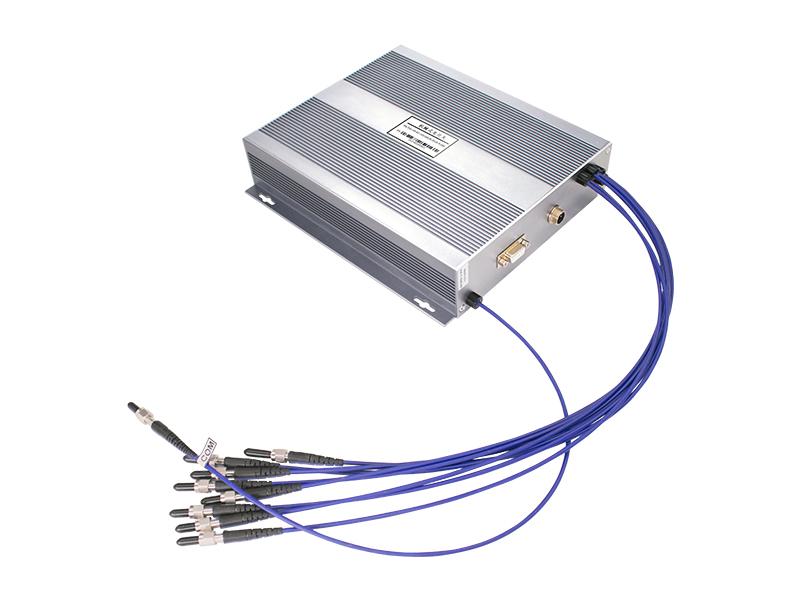
  • 12 Channel 1×2 Optical Switch
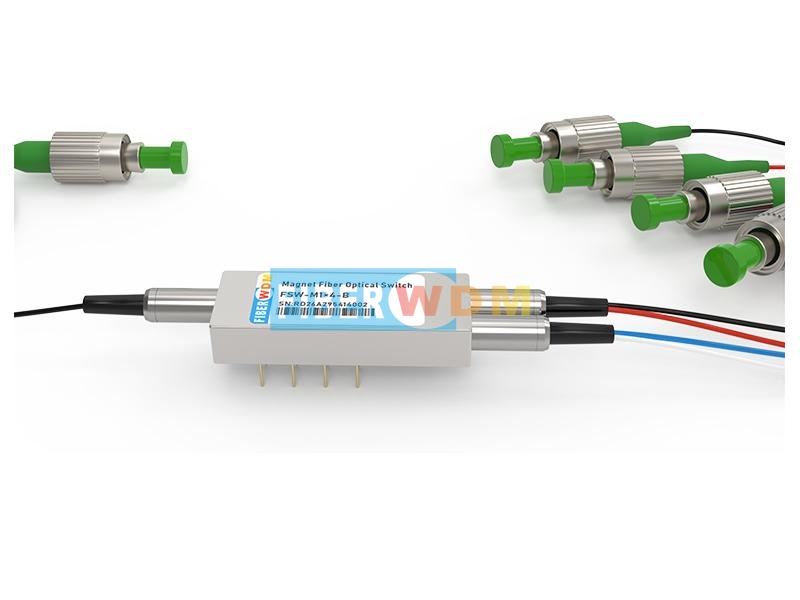
  • M1x4 Magnet Fiber Optical Switch
  • 1x8 mechanical optical switch


4. Security and Surveillance Systems

Fiber optic switches are also crucial in security and surveillance systems. They enable the transmission of high-definition video and audio signals over long distances, ensuring that security personnel can monitor and respond to events in real-time. The inherent security and immunity to electromagnetic interference of fiber optics make them ideal for sensitive and critical security applications.


5. Aerospace and Defense

In the aerospace and defense industry, fiber optic switches are used in communication systems for aircraft, satellites, and other military platforms. They provide high-speed, secure communication links that are resistant to electromagnetc interference and jamming, ensuring reliable communication in harsh environments.


6. Research and Development

Fiber optic switches are also used in research and development settings, enabling scientists and engineers to conduct experiments and test new technologies. The high-speed, low-loss, and secure transmission of data make fiber optic switches ideal for research applications that require precise and reliable data collection and analysis.


In conclusion, fiber optic switch devices have a wide range of applications across various industries. From telecommunications and data centers to industrial automation, security systems, and aerospace, fiber optic switches are playing a pivotal role in shaping the future of communication networks. As technology continues to evolve, the role of fiber optic switches will undoubtedly become even more significant, enabling faster, more reliable, and secure data transmission.


FIBERWDM, as a prominent Chinese supplier and manufacturer, offers fiber optical switches with characteristics such as High Reliability, Low Latency, Scalability, Compact Design, and Durability. Our product line includes various models such as M1X1, M1X2, M1X4, M1x8, M2X2, and M2X2B, tailored to meet diverse networking needs. We pride ourselves on our customization capabilities, ensuring that our clients receive solutions that perfectly fit their specific requirements.


FiberWDM's Fiber Optic Switch support customization, if interested, please consult sales@fiberwdm.com.


Efficient asset tracking and management have become critical for businesses across industries. RFID cable tie tags are emerging as a game-changing solution, offering a seamless way to monitor and manage assets with precision. These tags combine the durability of traditional cable ties with the advanced capabilities of RFID technology, making them ideal for a wide range of applications. Each designed to meet specific needs. Let’s explore how these innovative tools are transforming asset tracking and management.

1. Customized Cable Tie Tags for Tailored Solutions

Every business has unique requirements when it comes to asset tracking, and customized cable tie tags offer the flexibility to meet these specific needs. Companies can choose from a range of customization options, including tag size, color, and RFID frequency, to align with their operational demands. For instance, a 13.26MHz cable tie tag can be customized to include company logos, barcodes, or serial numbers, enhancing brand visibility and simplifying identification. Customization also extends to the RFID chip’s data capacity, allowing businesses to store detailed information about each asset. This level of personalization ensures that organizations can optimize their tracking processes while maintaining a professional and organized appearance.


2. Efficient Asset Tracking with 13.26MHz Cable Tie Tags


The 13.26MHz cable tie tag is a popular choice for businesses seeking reliable and efficient asset tracking solutions. Operating at this frequency, these tags provide a balanced range and read speed, making them suitable for both short- and medium-range applications. Whether used in warehouse management, IT asset tracking, or retail inventory control, these tags enable quick and accurate data capture without the need for line-of-sight scanning. This significantly reduces the time and effort required for manual inventory checks, improving overall operational efficiency. Moreover, the 13.26MHz cable tie tag is compatible with most standard RFID readers, ensuring seamless integration into existing systems.


Small Cable Tie Tags


3.Durability and Reliability with Nylon RFID Cable Tie Tags


When it comes to asset tracking, durability is a top priority, especially in demanding environments. Nylon RFID cable tie tags are engineered to withstand extreme conditions, including exposure to UV rays, chemicals, and physical stress. This makes them ideal for industries such as construction, logistics, and outdoor asset management. The robust nature of nylon ensures that these tags remain intact and functional over long periods, even in harsh settings. Additionally, the integration of RFID technology allows for seamless scanning and data capture, ensuring that assets are always accounted for. Whether used to track equipment, cables, or containers, they provide a reliable and long-lasting solution for businesses.