What Are the Typical Applications of RO3210 PCB?


When it comes to high-frequency circuit materials, Rogers 3210 PCB stands out as a reliable and exceptional choice. Combining ceramic-filled laminates with woven fiberglass reinforcement,RO3210offers remarkable electrical performance and mechanical stability. In this blog post, we will delve into the unique features, benefits, construction details, and typical applications of the RO3210 PCB, showcasing its capabilities as an industry-leading solution.


Introduction of RO3210 PCB

RO3210 50mil laminates possess a distinct advantage over other materials: improved mechanical stability. By blending the surface smoothness of a non-woven polytetrafluoroethylene (PTFE) laminate with the rigidity of a woven-glass PTFE laminate, these materials offer finer line etching tolerances and exceptional mechanical strength. Furthermore, they can be fabricated into printed circuit boards (PCBs) using standard PTFE circuit board processing techniques.


Rogers 3210 PCB


Features

The Rogers RO3210 PCB boasts an impressive array of features that contribute to its outstanding performance in high-frequency applications:


1)Dielectric Constant (Dk):

With a Dk of 10.2 +/- 0.5, RO3210 ensures consistent signal propagation.


2)Dissipation Factor:

The dissipation factor of RO3210 is only 0.0027 at 10 GHz, minimizing signal loss and optimizing performance.


3)Coefficient of Thermal Expansion (CTE) Matched to Copper:

The CTE values (x/y/z: 13 ppm/°C, 13 ppm/°C, 34 ppm/°C) of RO3210 are carefully matched to copper, ensuring dimensional stability even in extreme temperature variations.


4)High Decomposition Temperature (Td):

With a Td of 500°C as per TGA standards, RO3210 PCBs can withstand high-temperature environments.


5)Thermal Conductivity:

RO3210 exhibits a thermal conductivity of 0.81W/mK, allowing efficient dissipation of heat generated during operation.


6)Flammability:

The PCB meets V0 UL 94 standard, guaranteeing its fire-resistant properties.


Benefits

The RO3210 50mil Rogers substrate PCB brings forth a plethora of benefits, making it an ideal choice for various applications:


1)Woven Glass Reinforcement:

The woven glass reinforcement imparts enhanced rigidity to the PCB, facilitating easier handling during fabrication and assembly.


2)Uniform Electrical and Mechanical Performance:

RO3210 ensures consistent performance across complex multi-layer high-frequency structures, making it ideal for demanding applications.


3)Low In-Plane Expansion Coefficient:

The low CTE matched to copper enables the use of epoxy multi-layer board hybrid designs, ensuring reliable surface-mounted assemblies.


4)Excellent Dimensional Stability:

With exceptional stability, RO3210 PCBs yield high production yields, minimizing rework and reducing costs.


5)Surface Smoothness:

The surface smoothness of RO3210 allows for finer line etching tolerances, enabling the creation of highly precise circuit patterns.


PCB Stackup: 2-layer Rigid PCB

The RO3210 PCB is available as a 2-layer rigid PCB, with the following stackup:

Copper Layer 1: 35μm

Rogers RO3210 Core: 1.27 mm (50mil)

Copper Layer 2: 35μm


PCB Construction Details

The RO3210 50mil Rogers material PCBs are fabricated with attention to detail, ensuring high performance and reliability. Here are the key construction details:


Board Dimensions: The standard size of the PCB is 197.5mm x 77.3mm, with tight tolerances of +/- 0.15mm, ensuring precise form factor.


Minimum Trace/Space: The minimum trace and space width for RO3210 PCBs is 4/7 mils, enabling intricate circuit designs.


Minimum Hole Size: RO3210 supports a minimum hole size of 0.4mm, providing flexibility for component mounting.


No Blind Vias: The PCB does not incorporate blind vias, simplifying the manufacturing process.


Finished Board Thickness: The finished board thickness is set at 1.4mm, striking a balance between rigidity and weight.


Finished Copper Weight: The outer layers of RO3210 PCBs feature 1oz (1.4 mils) of finished copper weight, ensuring adequate conductivity.


Via Plating Thickness: Vias on RO3210 PCBs have a plating thickness of 20μm, enhancing their durability and solderability.


Surface Finish: The PCBs are finished with an immersion gold surface finish, ensuring excellent solderability and corrosion resistance.


Silkscreen: The top silkscreen is printed in white, providing clear component identification.


Solder Mask: The top solder mask is applied in green, providing electrical insulation and protection.


100% Electrical Test: To ensure the highest quality, each RO3210 PCB undergoes a rigorous 100% electrical test prior to shipment, guaranteeing its functionality.


PCB Statistics

Here are some insightful statistics regarding the RO3210 PCB:


Components: Each PCB comprises 21 components, facilitating complex circuit designs.


Total Pads: With a total of 57 pads, the PCB caters to various component mounting needs.


Thru-Hole Pads: There are 39 thru-hole pads, allowing for secure anchoring of components.


Top SMT Pads: The top surface accommodates 18 surface mount technology (SMT) pads, enabling efficient component placement.


Bottom SMT Pads: The RO3210 PCB does not feature bottom SMT pads.


Vias: The PCB has a total of 51 vias, ensuring reliable interconnection between layers.


Nets: With 2 nets, the PCB supports diverse signal routing requirements.


RO3210 50mil PCB


Artwork and Quality Standard

The RO3210 PCB utilizes Gerber RS-274-X files as the type of artwork supplied for manufacturing. As for the quality standard, the PCB complies with the IPC-Class-2 standard, ensuring high reliability and meeting industry specifications.

Availability

The RO3210 PCB is available worldwide, allowing customers from different regions to leverage its outstanding features and benefits.


Typical Applications

The versatility of RO3210 PCBs makes them suitable for a wide range of applications, including:


1)Automotive Collision Avoidance Systems:

RO3210 supports the development of advanced radar systems used in automotive safety features.


2)Automotive Global Positioning Satellite Antennas:

These high-performing PCBs enable precise global positioning satellite (GPS) antennas in vehicles.


3)Wireless Telecommunications Systems:

RO3210 PCBs are ideal for wireless communication devices, ensuring robust and reliable connections.


4)Microstrip Patch Antennas for Wireless Communications:

With their excellent electrical performance, RO3210 PCBs serve as the foundation for high-frequency microstrip patch antennas.


5)Direct Broadcast Satellites:

The advanced capabilities of RO3210 PCBs make them suitable for direct broadcast satellite applications.


6)Datalink on Cable Systems:

RO3210 supports efficient data transmission and reliable connections in cable systems.


7)Remote Meter Readers:

These PCBs are well-suited for remote meter reading applications, ensuring accurate data collection.


8)Power Backplanes:

By providing excellent electrical performance, RO3210 PCBs facilitate reliable power distribution and connectivity in backplane applications.


9)LMDS and Wireless Broadband:

RO3210 enables high-speed connectivity in local multipoint distribution service (LMDS) and wireless broadband systems.


10)Base Station Infrastructure:

RO3210 PCBs contribute to the development of robust and high-performance base station infrastructure.


Conclusion

In conclusion, the RO3210 high frequency PCB from Rogers offers exceptional electrical performance, mechanical stability, and numerous advantages for high-frequency circuit applications. With its woven glass reinforcement, uniform performance, low expansion coefficient, dimensional stability, and surface smoothness, the RO3210 PCB is a reliable and versatile solution. Whether it's automotive systems, wireless communications, or satellite technology, the RO3210 Rogers PCB provides the foundation for cutting-edge applications. Available worldwide, this high-quality PCB meets industry standards and enables engineers to create innovative solutions across diverse industries.
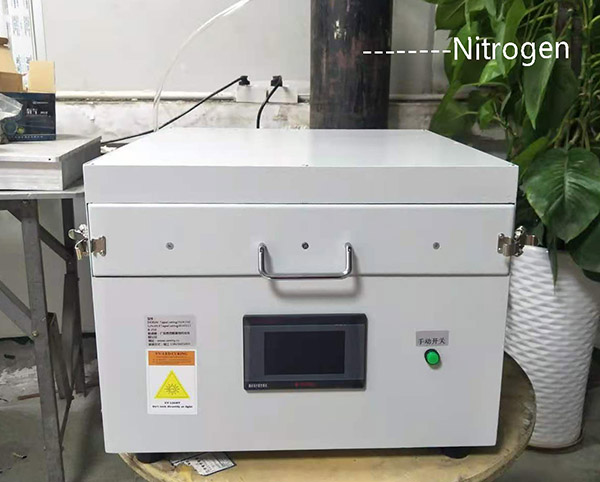
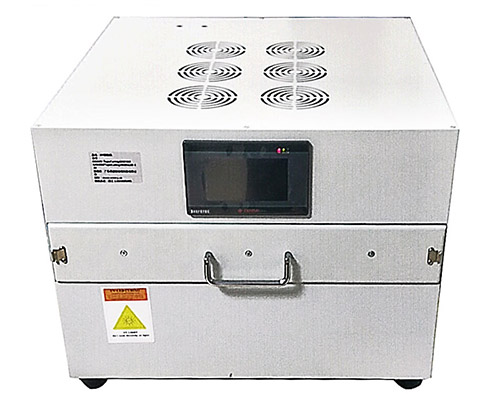
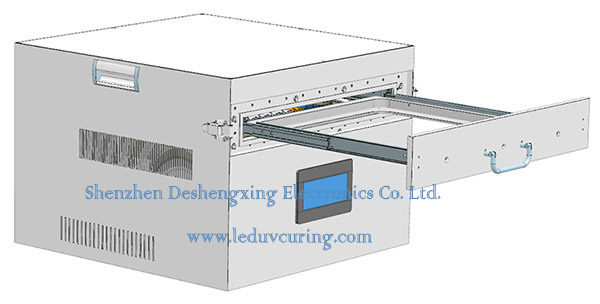
Some customers feel that the curing effect of UV LED curing machine depends on UV LED light source. Although UV LED light source plays a decisive factor in UV glue solidification, it is difficult to achieve good curing effect only by replying on UV LED light source. It is also affected by following important  factors.


UV Curable Dicing Tape Semiconductor Equipment Debond UV Wafer from UV Tape


1.Cooling system

The heat dissipation system of UV LED Curing Chamber has an important influence on its stable and smooth operation. UV LED Curing Machine with good heat dissipation effect can quickly discharge the heat from UV LED chips. It can not only reduce the temperature of the UV LED Lamp beads, but also reduce the temperature rise of the surface of the object to ensure the stability of the equipment and extend the service life of the UV LED Curing Chamber.


2.The quality of UV LED light beads

The light bead of UV LED Curing System Machine is the core part of the whole UV curing machine. The irradiation head generates an ultraviolet light source through the UV LED light chips. But different quality of UV LED lamp bead, its light effect, energy, stability of light source, light uniformity are very different. The production of UV LED curing equipment by DSXUV, the use of imported lamps beads, the quality of light source will be guaranteed.


6 ineches UV Wafer Tape Curing Systems Manufacturer


3.Control system

The control system of UV LED Curing Light Equipment carries the circuit operation control of the whole set of UV LED curing machine, providing technical guarantee for the maneuverability and safety of the equipment. The light source controller produced and developed by DSXUV can set power of light source, irradiation time and control mode according to the actual working conditions. It also can be connected with external pedal control switch or RS232 serial port.


4.Customized UV LED curing light source comes to DSXUV

As one of the earliest manufacturers of UV LED Curing Light Source in China, we provide customers with a full range of UV curing solutions, including a complete range of standard products and customized UV LED curing system machines according to customer requirements. If you have UV LED curing requirements, you can contact us at any time, DSXUV dedicated to your service.


365nm Wafer LED UV Curing Systems Debonding from UV Tape

The principle of using a UV lux meter:
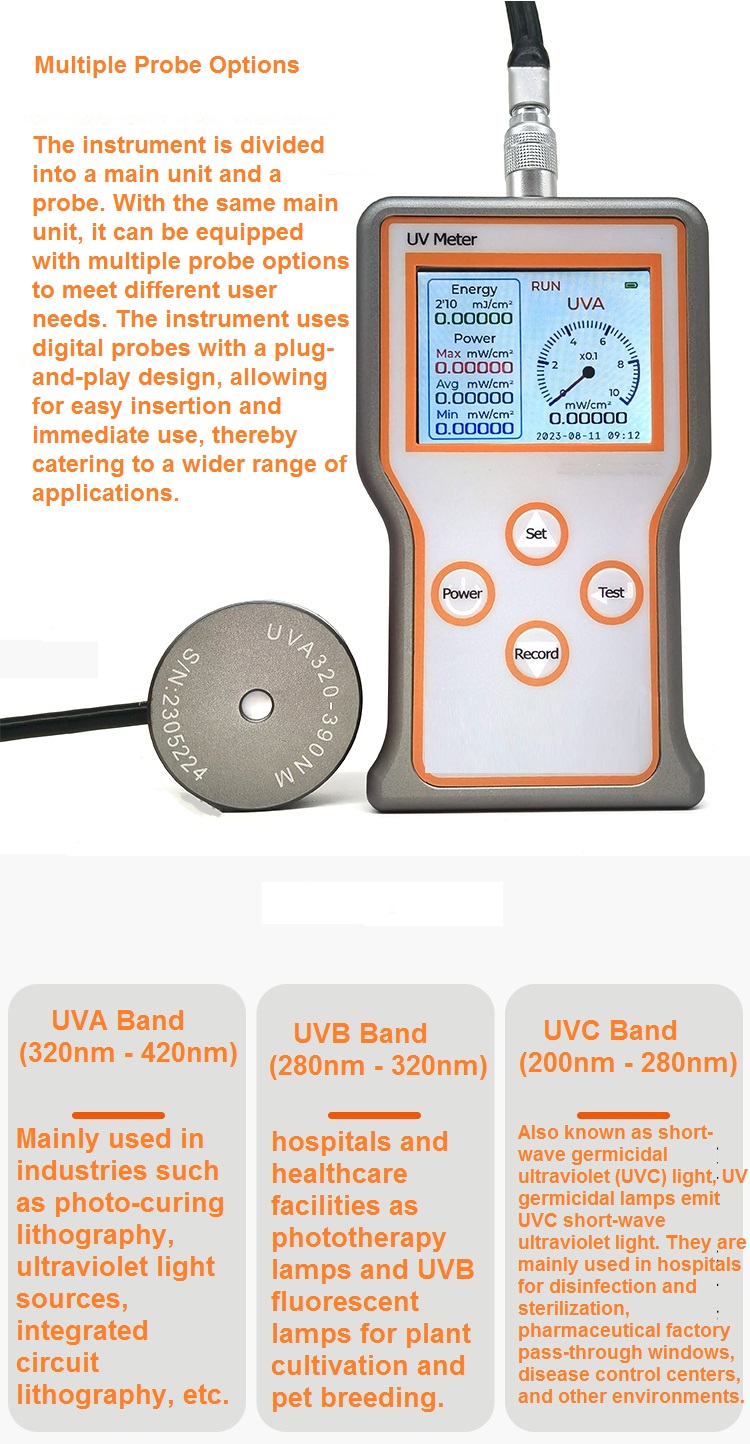
Illumination intensity (illuminance) refers to the degree to which an object is illuminated, that is, the ratio of the luminous flux obtained on the surface of the object to the illuminated area. Ultraviolet illuminance meter, also known as ultraviolet irradiance meter, ultraviolet intensity meter, etc., is a specialized instrument for measuring luminosity and brightness. It mainly measures the radiation intensity of ultraviolet rays and is used for measuring ultraviolet radiation in fields such as photochemistry, polymer material aging, non-destructive testing, hygiene, medical treatment, chemical industry, hygiene, food, electronics, plant cultivation, and large-scale integrated circuit lithography.


The ultraviolet illuminance meter uses 35 different probe combinations to measure UVA, UVB, UVC, visible light, and infrared light. The measurement wavelengths are divided into UVA (320nm-380nm), UVB (280nm-320nm), and UVC (200nm-280nm), and some high-end products can detect a wide range of wavelengths. Humanized operation, compact and flexible, can be operated with one hand, the probe is separated from the body, convenient and simple, and has automatic memory function, which can store 20 sets of data.


UV Intensity Meter

How Does F4BM220 PCB Compare to F4BME220?


Discover the exceptional qualities of F4BM220 PCB, a cutting-edge laminate engineered to enhance electrical performance, insulation resistance, and stability. Learn about its features, construction details, and diverse applications.And compare F4BM220 and F4BME220.


Introduction

Wangling F4BM220 laminates revolutionize the world of PCBs by integrating a meticulous combination of fiberglass cloth, polytetrafluoroethylene (PTFE) resin, and polytetrafluoroethylene film. Boasting superior electrical performance compared to F4B220, the F4BM220 offers reduced dielectric loss, heightened insulation resistance, and improved stability. This high-quality laminate presents an excellent alternative to comparable foreign products.


Introduction of F4BM220

Wangling's F4BM220 F4B substrate offers remarkable advantages through its unique composition. By scientifically formulating and precisely pressing fiberglass cloth, PTFE resin, and PTFE film, this laminate facilitates precise control over the dielectric constant. In turn, it delivers low loss, enhanced dimensional stability, and exceptional performance. Furthermore, F4BM220 is designed to replace similar foreign products, championing reliability and innovation.


high frequency PCB


Features of F4BM220

The F4BM220 material PCBexhibits an impressive set of features that make it a top choice for advanced applications:


1. Dielectric constant (Dk) of 2.2 at 10GHz ensures optimal signal integrity.

2. Dissipation factor of 0.001 at 10GHz contributes to minimal signal loss.

3. Coefficient of Thermal Expansion (CTE) x-axis of 25 ppm/°C, CTE y-axis of 34 ppm/°C, CTE z-axis of 240 ppm/°C, -55°C to 288°C delivers exceptional dimensional stability across a wide temperature range.

4. Low thermal coefficient of Dk at -142 ppm/°C, -55°C to 150°C ensures consistent performance under varying thermal conditions.

5. Moisture absorption of≤0.08% guarantees reliable operation in humid environments.

6. Flammability rating of UL-94 V0 provides enhanced safety and protection.


How does F4BM220 PCB compare to F4BME220?


F4BM220 PCB and F4BME220 PCB are two variants of laminates with slight differences in their copper foil combinations. Here's a comparison between the two:


  • Dielectric Layer:F4BM220 and F4BME220 share the same dielectric layer material, which consists of a combination of fiberglass cloth and polytetrafluoroethylene (PTFE) resin.
  • Copper Foil Combination: The main difference lies in the copper foil used in each laminate. F4BM220 is paired with ED (Electro-Deposited) copper foil, whereas F4BME220 is paired with reverse-treated foil (RTF) copper foil.
  • PIM Performance:F4BM220, with its ED copper foil, is suitable for applications without PIM (Passive Intermodulation) requirements. On the other hand, F4BME220, with RTF copper foil, offers excellent PIM performance. This makes F4BME220 a preferable choice when precise line control, lower conductor loss, and superior PIM performance are needed.
  • Electrical Performance:While both laminates offer improved electrical performance compared to F4B220, F4BM220 exhibits lower dielectric loss, increased insulation resistance, and improved stability. The precise control of the dielectric constant achieved by adjusting the ratio between PTFE and fiberglass cloth in F4BM220 leads to lower loss and enhanced dimensional stability.


In summary, F4BM220 and F4BME220 share the same dielectric layer, but F4BM220 is paired with ED copper foil for applications without PIM requirements, whereas F4BME220 is paired with RTF copper foil to provide excellent PIM performance, precise line control, and lower conductor loss. The choice between the two depends on the specific requirements of the application hand.


F4BM220 PCB Stackup: 2-layer rigid PCB

The 1.0MM F4BM220 laminate shines in 2-layer rigid PCB applications. Its stackup consists of the following layers:

Copper_layer_1: 35μm

F4BM220 Core: 1.00 mm

Copper_layer_2: 35μm


F4BM220 PCB Construction Details

To ensure optimal functionality and performance, strict construction details are followed:


Board dimensions: 45mm x 62mm (±0.15mm) for each PCB.

Minimum Trace/Space: 4/7 mils, enabling intricate circuitry designs.

Minimum Hole Size: 0.3mm, ensuring precise component placement.

No Blind vias, simplifying the manufacturing process.

Finished board thickness: 1.1mm, striking a balance between durability and compactness.

Finished Cu weight: 1oz (1.4 mils) outer layers, offering sufficient conductivity.

Via plating thickness: 20μm, ensuring reliable interconnectivity.

Surface finish: Immersion tin, providing excellent solderability and corrosion resistance.

Bottom and TOP Silkscreen: None, simplifying the board's aesthetics.

Top Solder Mask: Black, safeguarding against solder bridging and moisture.

Bottom Solder Mask: None, optimizing production efficiency.

100% Electrical test used prior to shipment, ensuring functional integrity.


PCB Statistics

The F4B DK2.2 PCB boasts the following statistics:


Components: 10, allowing for versatile circuit designs.

Total Pads: 34, accommodating diverse connections.

Thru Hole Pads: 19, enabling through-hole component soldering.

Top SMT Pads: 15, facilitating surface mount technology (SMT) applications.

Bottom SMT Pads: 0, offering flexibility for specific designs.

Vias: 23, ensuring efficient signal routing.

Nets: 2, enabling well-organized circuit connections.


Artwork Supplied: Gerber RS-274-X

The artwork for F4BM220 PCB is supplied in Gerber RS-274-X format, a widely used file standard for PCB fabrication and assembly. This format ensures compatibility and ease of use across the industry.


Quality Standard: IPC-Class-2

Maintaining high-quality standards, F4BM220 PCB adheres to the IPC-Class-2 quality standard. This ensures precise manufacturing and reliability, meeting the demanding requirements of advanced applications.


Availability: Worldwide

Wangling's F4BM220 PCB is readily available across the globe, allowing customers to leverage its remarkable features and benefits no matter their geographic location. With a commitment to consistent supply and prompt delivery, Wangling stands as a trusted partner for your PCB needs.


Some Typical Applications

F4BM220 PCB finds extensive application in various cutting-edge technologies, including:


Microwave, RF, and radar systems:

Ensuring reliable signal transmission and reception.

Phase shifters:

Facilitating the manipulation of signal phase and accuracy.

Power dividers, couplers, and combiners:

Enabling efficient power distribution in complex systems.

Feed networks:

Supporting the essential functions of distributing signals in antenna arrays.

Phase-sensitive antennas and phased array antennas:

Delivering precision and control in beamforming.

Satellite communications:

Ensuring seamless and efficient connectivity in space-based systems.

Base station antennas:

Contributing to reliable wireless communication networks.


Conclusion

In conclusion, the F4BM220 high frequency PCB from Wangling stands as an exceptional choice for advanced applications, providing enhanced electrical performance, superior insulation resistance, and improved stability. With its impressive features, precise construction details, and worldwide availability, this high-quality laminate serves as a reliable foundation for cutting-edge technologies across diverse industries. Partner with Wangling and unlock the potential of the F4BM220 Wangling PCB for your next-generation projects.


What Are the Features and Benefits of RO3010 PCB?


Introduction

RO3010 advanced circuit materials by Rogers offer exceptional stability and a higher dielectric constant, making them an ideal choice for high-frequency applications. Featuring ceramic-filled PTFE composites, these competitively priced laminates simplify circuit design and promote circuit miniaturization. This blog post delves into the features, benefits, construction details, and typical applications of RO3010 PCB 50mil, showcasing its versatility and reliability for various industries.


Features

1)Dielectric Constant:

With a dielectric constant of 10.2+/-0.30 at 10 GHz/23°C, RO3010 PCB ensures reliable signal transmission and minimal signal loss, enabling high-frequency performance.


2)Dissipation Factor:

The low dissipation factor of 0.0022 at 10 GHz/23°C ensures efficient energy transfer and minimizes signal degradation, guaranteeing superior signal integrity.


3)Thermal Stability:

RO3010 PCB offers a low coefficient of thermal expansion (-55 to 288°C) of 13 ppm/°C(X), 11 ppm/°C(Y), and 16 ppm/°C(Z). This exceptional thermal stability allows for reliable operation in diverse temperature ranges.


4)High Temperature Resistance:

With a thermal decomposition temperature (Td) exceeding 500°C, the RO3010 laminate can withstand high-temperature environments, ensuring long-term reliability.


5)Excellent Thermal Conductivity:

RO3010 boasts a high thermal conductivity of 0.95 W/mK, ensuring efficient heat dissipation. This feature effectively prevents overheating and contributes to the longevity of electronic components.


6)Low Moisture Absorption:

The low moisture absorption rate of 0.05% helps maintain the integrity and performance of the PCB even in humid conditions, making it suitable for various environments.


7)Wide Operating Temperature Range:

RO3010 PCB's operational range of -40℃to +85℃allows for reliable performance across diverse conditions, including extreme temperature variations.


Rogers 3010 PCB


Benefits

1)Dimensional Stability:

RO3010 exhibits excellent dimensional stability, ensuring that the expansion coefficient matches that of copper. This stability minimizes issues related to thermal expansion and contraction, enhancing the overall reliability of the circuit.


2)Economical Pricing for Volume Manufacturing:

RO3010 PCB offers competitive pricing, making it an ideal choice for volume manufacturing processes. It strikes a balance between quality and affordability, meeting the demands of cost-sensitive projects without compromising performance.


3)Suitable for Multi-Layer Designs:

RO3010 laminates are well-suited for use in multi-layer board designs. This flexibility allows for complex circuit layouts and efficient integration of components in compact spaces.


PCB Construction Details

The Rogers 3010 PCB 50mil is a double layer circuit board PCB with the following specifications:


Board Dimensions: The PCB measures 85mm x 57mm, making it suitable for various compact applications.

Minimum Trace/Space: RO3010 allows a minimum trace/space of 4/4 mils, enabling designers to achieve high density and intricate circuit designs.

Minimum Hole Size: The minimum hole size supported is 0.3mm, facilitating the use of smaller components and compact designs.

No Blind Vias: The absence of blind vias simplifies the manufacturing and assembly processes.

Finished Board Thickness: The PCB has a finished thickness of 1.4mm, providing ample rigidity and durability.

Finished Copper Weight: The outer layers of the PCB feature a finished copper weight of 1 oz (1.4 mils), ensuring optimal conductivity.

Via Plating Thickness: The via plating thickness is 20μm, delivering robust connections and signal integrity.

Surface Finish: The PCB is finished with immersion gold, offering excellent solderability and corrosion resistance.

Silkscreen and Solder Mask: The PCB does not have top or bottom silkscreen or solder mask, providing a clean and minimalist appearance.

Counter Sunk Holes for M6 Screw: The PCB features counter sunk holes to accommodate M6 screws, ensuring secure and reliable mounting.

100% Electrical Test: Every RO3010 PCB undergoes a rigorous 100% electrical test before shipment, ensuring reliable performance and functionality.


PCB Statistics

Components: The PCB supports up to 12 components, enabling designers to realize complex circuit designs.

Total Pads: The total number of pads available on the PCB is 29, providing flexibility in component placement.

Thru-Hole Pads: RO3010 offers 18 thru-hole pads, allowing a combination of surface-mounted and thru-hole components.

Top SMT Pads: The top side of the PCB supports 11 surface-mounted technology (SMT) pads, enabling the use of compact and space-efficient components.

Bottom SMT Pads: The PCB does not have any surface-mounted technology (SMT) pads on the bottom side.

Vias: The PCB provides 21 vias for interconnecting different layers, ensuring efficient signal transmission and power distribution.

Nets: RO3010 supports 2 nets, allowing for multiple signal paths and complex circuit designs.


Artwork and Standards

RO3010 Rogers PCB accepts Gerber RS-274-X artwork. It complies with the IPC-Class-2 standard, ensuring high-quality manufacturing and reliability.


Availability

The Rogers 3010 PCB 50mil is available worldwide, allowing customers from different regions to benefit from its exceptional performance.


Some Typical Applications


1)Automotive Radar Applications:

Rogers RO3010 PCBs are well-suited for automotive radar systems, offering reliable signal transmission and minimizing interference.


2)Global Positioning Satellite Antennas:

The exceptional stability and high-frequency performance of RO3010 make it an ideal choice for GPS antenna applications.


3)Cellular Telecommunications Systems:

RO3010 is commonly used in power amplifiers and antennas for cellular telecommunications systems, ensuring efficient signal propagation and minimizing signal loss.


4)Patch Antennas for Wireless Communications:

The high dielectric constant and outstanding stability of RO3010 make it an excellent choice for patch antennas, enabling reliable wireless communication.


5)Direct Broadcast Satellites:

RO3010 PCBs are extensively used in direct broadcast satellite systems, ensuring efficient signal transmission and maintaining signal integrity.


6)Datalink on Cable Systems:

The stable characteristics of RO3010 make it suitable for datalink applications in cable systems, contributing to reliable data communication.


7)Remote Meter Readers:

RO3010 provides the necessary stability for remote meter readers, ensuring accurate data collection and transmission over varying environmental conditions.


8)Power Backplanes:

RO3010 is widely used in power backplanes, thanks to its high-frequency performance and excellent thermal conductivity, allowing for efficient power transmission and dissipation.


Conclusion

RO3010 50mil high frequency laminate PCB board by Rogers offers exceptional performance, stability, and reliability for high-frequency applications across a wide range of industries. Its unique characteristics, such as high dielectric constant, low dissipation factor, thermal stability, and moisture resistance, make it an ideal choice for demanding projects. Whether it's automotive radar, GPS antennas, cellular telecommunications, or power backplanes, RO3010 50mil Rogers material PCB delivers excellent performance and simplifies circuit design, enabling engineers to achieve optimal results in their applications. With worldwide availability and compliance with industry standards, RO3010 Rogers PCB material is a trusted solution for high-frequency requirements.


In modern retail environments, featuring high-powered laptops for displays and sales is essential for enhancing the customer experience. However, frequent recharging often requires stores to provide each laptop with its own charger and outlet, which can increase costs and lead to cluttered power areas. The introduction of a 10-port USB-C charging station perfectly addresses this issue. Retailers can cleverly hide the charging station beneath display tables, saving space while maintaining an overall tidy environment.


By allowing 10 devices to connect at once, the charging station not only boosts efficiency but also optimizes power management. Retailers no longer need to worry about the charging requirements of each individual computer, as all devices can be managed centrally, avoiding the mess of multiple chargers and outlets. Furthermore, the USB-C interface delivers rapid charging and data transfer capabilities, significantly enhancing the charging efficiency for high-powered devices, allowing for smoother promotional and demonstration activities.


USB-C charging station


Finally, the use of a charging station can also improve the customer shopping experience. As customers use the displayed laptops to browse products or seek assistance, the charging station provides convenience, eliminating concerns about running out of battery. This design not only enhances customer satisfaction but also elevates the store's professional image. Overall, the convenience and efficiency offered by a 10-port USB-C charging station present a win-win solution for both retailers and customers, streamlining the charging process and enhancing the retail experience.

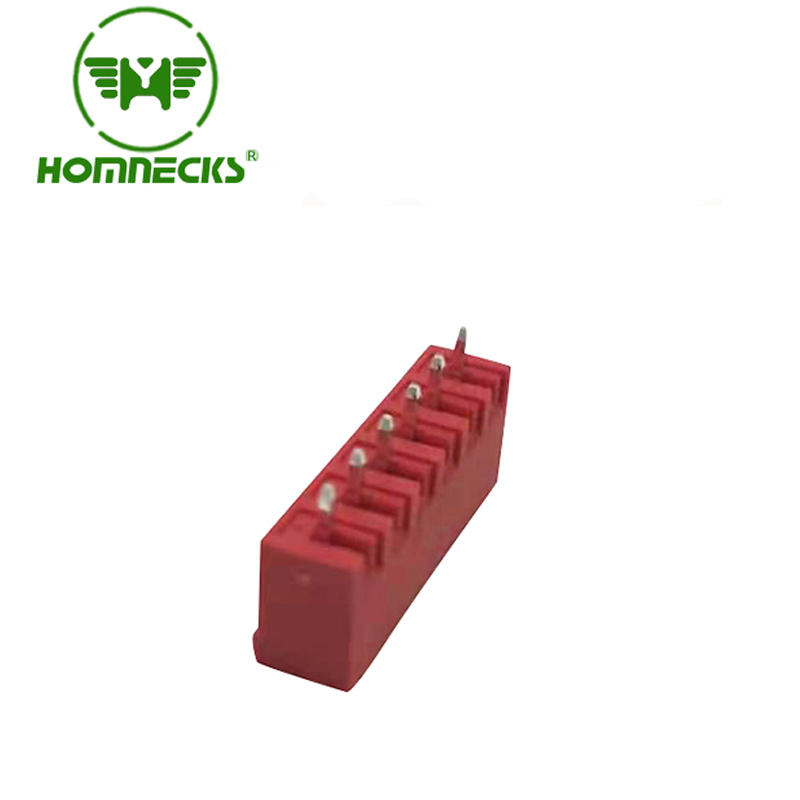
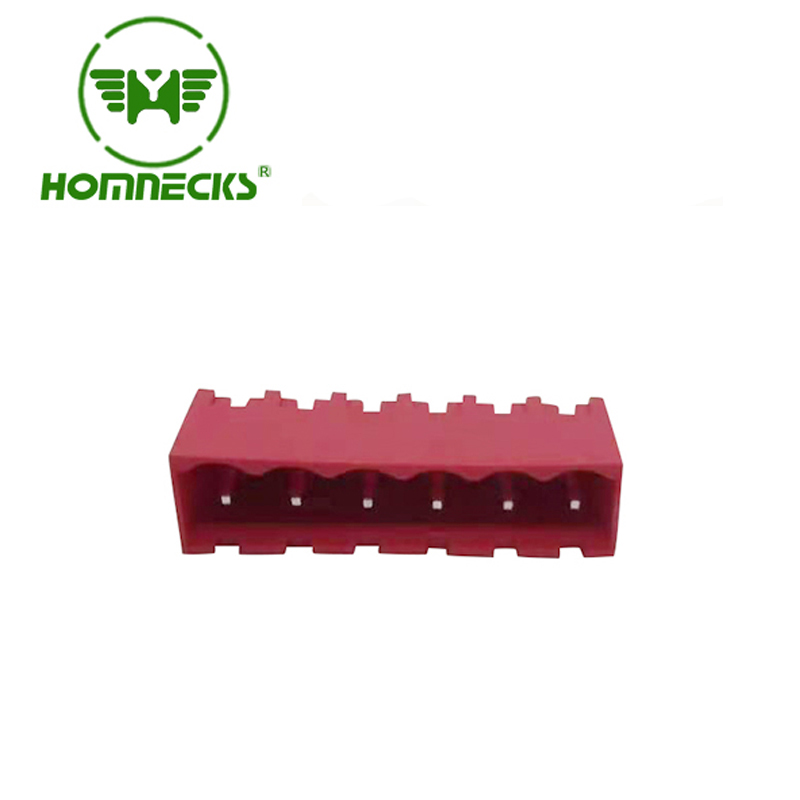
3 pin screw terminal block connector

HongYi Electronic Co.,Ltd Pluggable terminal block is composed of two parts that are connected by plugging and unplugging. 3 pin screw terminal block connector One part compresses the wire and then plugs it into the other part, which is soldered onto the PCB board. This bottom mechanical principle and anti vibration design ensure the long-term airtight connection of the product and the reliability of the finished terminal block connector 3 pin. Both ends of the socket can be equipped with matching ears, which can greatly protect the contacts and prevent poor arrangement of the contacts. At the same time, this socket design can ensure that the socket can be correctly inserted into the mother body. HongYi Electronic Co.,Ltd socket can also have assembly buckles and locking buckles. The assembly buckle 3 pin terminal block connector  can provide a more stable fixation to the PCB board, and the locking buckle can lock the mother body and socket after installation is completed. 

HongYi Electronic Co.,Ltd Various socket designs can be paired with different insertion methods for different substrates, such as horizontal, vertical, or tilted towards the printed circuit board. You can choose either metric line gauges or standard line gauges.


The main reason 3 pin screw terminal  for the deformation problem of long digits in the combination of spliced products is also due to the unreasonable structure, 3 position terminal block which leads to an imbalance of forces on the two spliced falcons in the front, back, up, down, left, and right directions. Therefore, the stress and deformation direction of the spliced falcons should be considered in the structural design.

terminal block connector 3 pin

2. Regarding the issue of screw anti drop, I suggest using neck anti drop as much as possible, as it avoids the trouble caused by tolerance accuracy at the screw rod and collar compared to collar anti drop. And the structure is reliable and the tolerance is easy to control.


3. Regarding the issue of salt spray testing on 4 pin terminal and threaded steel parts after electroplating, HongYi Electronic Co.,Ltd according to the current company's standard for thread electroplating (the coating is limited, but the thickness of the coating corresponding to the size of the thread still needs to be further determined), there are two methods to solve this problem under normal electroplating process: selecting the correct sealing agent and using multiple electroplating of the coating. Both methods aim to cover the pores generated by screws that are not visible to the naked eye. The cost of using multiple electroplating layers is relatively high, so it is recommended to use the first method, and the key to this method lies in the study of the sealing agent formula.


4. The issue of insertion and extraction force involves a lot of content, HongYi Electronic Co.,Ltd which is related to materials, electroplating, structure, and the industry in which it is applied. It is an important mechanical performance requirement in the connector industry, especially for plug-in terminals. The selection of materials is limited by conductivity (current), contact resistance, and temperature rise in terms of insertion and extraction force. I won't go into detail here. Electroplating is mainly influenced by the type of coating and whether it is pre plated or not,


HongYi Electronic Co.,Ltd Only by doing well, strengthening, and expanding the products within our capabilities. To win the favor of customers, enhance the influence and brand awareness of the enterprise in the industry, Shanghai Youle Electric follows this rule and strives to abandon old-fashioned marketing concepts in the fierce competition of the plug-in terminal market, focusing on terminal brand marketing to win a larger and broader market.

5.08 mm terminal block

These numbers (such as 3.5 mm, 3.81 mm, 5.0 mm, 5.08 mm, 7.5 mm, 7.62 mm) represent different spacing and are commonly used to describe the size of PCB terminal blocks. Here are some differences and common uses between them:

Ningbo HongYi Electronic Ltd Co. 3.5mm terminal blocks and 3.81mm terminal blocks: These two spacing options are typically used for smaller electronic devices and connectors, such as small power modules, sensor modules, terminal blocks, etc. They are suitable for applications that require compact layouts and limited space.


3.81 mm terminal block

Ningbo HongYi Electronic Ltd Co.  5.0 mm  terminal blocks and 5.08 mm terminal blocks: These two spacing sizes are common standard sizes widely used in electronic devices and industrial control systems. They are suitable for medium-sized equipment such as power supply, PLC control, automation equipment, etc. 5.08mm terminal blocks are particularly commonly used for AC circuit connections, such as power input and relay control.

Ningbo HongYi Electronic Ltd Co. 7.5mm terminal blocks and 7.62mm terminal blocks: These two spacing options are suitable for larger equipment and high-power applications. They have larger terminal spacing and can withstand higher currents and voltages, commonly found in power sources, large mechanical equipment, and industrial automation systems.

These wiring terminals with different spacing have their respective applicable application ranges, and the choice of suitable spacing depends on specific application requirements, such as power requirements, space limitations, and electrical characteristics. When choosing, it is necessary to consider the actual situation and design requirements comprehensively.

Acrylic solid cut letters have become a popular choice for businesses looking to create eye-catching signage. These letters have a sleek, modern look that can be customized to fit any brand's image, making them perfect for a variety of applications from storefronts to office interiors. In this blog, we'll explore how to use acrylic solid cut letters to design eye-catching business signs that make a lasting impression.

♦ The Versatility of Acrylic Solid Cut Letters

One of the main advantages of acrylic solid cut letters is their versatility. Acrylic can be easily cut into a variety of shapes and sizes for a high degree of customization. Whether a storefront needs large, eye-catching letters or an indoor sign needs a small, intricate design, acrylic solid cut letters can meet your specific needs. Additionally, acrylic can be crafted in a variety of colors and finishes, from glossy to matte, ensuring that your signage complements your brand's aesthetic.


acrylic solid cut lettersacrylic solid cut letters

♦ Durability and longevity

Acrylic is known for its durability, making it an excellent choice for both indoor and outdoor signage. Unlike materials that can fade, warp, or corrode over time, acrylic solid cut letters will maintain their appearance for years, even in harsh weather conditions. This longevity means that your investment in acrylic signage will pay off long after installation, providing you with a cost-effective solution that requires minimal maintenance. In addition to this, many suppliers cut corners on the raw material sheets of acrylic, but Satinsign promises that our acrylic is made from high quality raw material sheets, with no air bubbles on the surface and an even, clear, visible glow.

♦ Create a professional look

Acrylic solid cut letters have a clean, professional look that enhances the image of your business. The precision of laser cutting ensures that each letter has sharp, crisp edges, creating a polished, sophisticated look. This level of detail is especially important for businesses that want to convey a sense of quality and professionalism through their brand image.

♦ Easy to install

Another advantage of acrylic solid cut letters is that they are easy to install. These letters can be mounted directly to walls or other surfaces in a variety of ways, including standoffs, adhesive backing and even magnetic mounting. Whether you're refurbishing an existing sign or creating a new one from scratch, this flexibility makes installation quick and straightforward. If you only have the budget to make acrylic cut letters, my advice is to do it without the backing, we can provide a free one to one mounting template so that even without the backing, you can easily mount the letters where you want them with no positional deviation.

♦ Increase Brand Awareness

Finally, acrylic solid cut letters can greatly increase brand awareness. When placed properly, they can draw attention to your business and make it easy for customers to recognize your location. Whether they are illuminated or non-illuminated, these signs are effective at drawing attention and leaving a memorable impression on potential customers.

In conclusion, acrylic solid cut letters are a powerful tool for creating business signs that are not only visually appealing, but also durable and easy to install. By choosing acrylic, you can design signs that reflect your brand image while ensuring long-lasting performance. Whether you are a small business owner or a large corporation, acrylic solid cut letters offer a versatile and cost-effective solution for all your signage needs.

In the world of business signage, visibility is crucial. Businesses, including many retail outlets, are always looking for ways to stand out and catch the eye, communicating their promotional ideas to a wide range of viewers and customers, and the use of front lit & back lit channel illuminated letters is an effective way to do this. These illuminated signs offer a range of benefits that can greatly enhance a brand's impact, day or night.


double side illuminated channel letters


1. Significantly improved visibility


The main advantage of Double Side Illuminated Channel Letter Signage is their superior visibility. Day or night, these signs catch the eye. Front illuminated letters are illuminated from within, making the sign bright and easy to read even in low light conditions. Backlit letters, also known as halo lit letters, create  a luminous effect around each letter, adding a sophisticated, professional look to the sign.

As the signage industry grows, more and more customers will prefer this type of Double side illuminated signage, and it also ensures that your business and shop remain visible and attractive around the clock.


2. Brand Recognition


Brand consistency is vital for any business. Front and backlit channel letters provide a uniform, professional look that reinforces brand recognition. Bright, clear displays help customers easily identify your business from a distance, whether they are driving by or walking down the street. This direct recognition can increase foot traffic and ultimately increase sales.


3. Customisable Design Free Offer


One of the major advantages of channel letters is their design versatility. These signs can be customised in a variety of fonts, sizes, colours and styles to perfectly match your brand image. Whether you prefer a sleek, modern look or a traditional design, front and backlit channel letters can be tailored to meet your specific needs. At Satinsign we can offer free designs, including customising your entire logo, and all subsequent production processes we will confirm step by step, and we will confirm the details of the final product with our customers before shipping to ensure that every customer receives a flawless product.


4. Energy efficiency


Modern front and backlit channel letters use LED lighting, which is known for its energy efficiency. Compared to traditional neon or fluorescent lighting, LED lights use much less power. This not only lowers your energy bills, but also minimises the carbon footprint of your business. Especially for areas where local authorities have high environmental requirements, low-energy LED signs are unintentionally the best choice. In addition, LED lights have a longer lifespan, which means fewer replacements and lower maintenance costs over time.


5. Durability and weathering


Channel letters can withstand a wide range of environmental conditions. Made from durable materials such as aluminium and acrylic, stainless steel, these signs are resistant to rust, corrosion and other weather-related damage. The sturdy construction ensures that your signage stays in good condition even when exposed to harsh outdoor environments, providing you with a long-lasting advertising solution. Satinsign offers a free 24-month warranty on all of its products, and if there are any quality issues during the warranty period, we will ask you to rebuild a brand-new product free of charge.


6. Easy Maintenance


Maintenance of front and backlit channel letters is relatively simple. The LED lights used in these signs are durable and require minimal maintenance. Should any problems arise, the modular design of the channel letters allows easy access to the various components, making repairs simple and economical. Regular cleaning to remove dust and debris is usually all that is required to keep the signs looking their best.


Front and backlit channel letters offer the perfect combination of visibility, customisation, energy efficiency, durability and ease of maintenance. These benefits make them an excellent investment choice for any business looking to enhance their brand image and attract more customers. By choosing high-quality front and backlit channel letters, you can ensure that your business stands out in a competitive market, day or night.