When RFID cards enhanceing both convenience and security lead the way, traditional access control methods are being replaced by innovative and efficient solutions.These advanced cards have transformed how businesses, institutions, and individuals secure their spaces, offering a seamless, contactless experience.


The Evolution of RFID Access Control

RFID (Radio Frequency Identification) technology operates by transmitting data through electromagnetic waves. RFID cards provide a faster, more reliable solution bringing a lot convenience than ever unlike outdated methods such as physical keys or magnetic stripe cards. Also, these cards allow users to simply wave or tap to gain entry, eliminating the wear and tear associated with frequent use of traditional systems. Among the many types available, 125 kHz RFID cards are particularly popular for their reliability in proximity-based systems.


Custom RFID Cards for Tailored Solutions
Custom RFID cards is one of the most exciting advancements in this space. And we consider it a good choice to meet the needs of more people. Shenzhen Zhijie IOT Application Co., ltd now has the flexibility to design cards tailored to their specific needs. In terms of unique branding to enhanced security features, custom RFID cards provide an opportunity to merge functionality with a professional touch. For organizations managing multiple access levels, these RFID cards can be programmed to grant or restrict entry based on user roles which ensuring a secure environment at all times.


Custom Logo Hotel Cards


Applications of RFID Key Cards
Combining portability with unmatched convenience, RFID key card is another key player in access control systems. Their durability and efficiency hopes you can use them to be a preferred choice for establishments looking to modernize their access systems. Bulky keychains or easily lost physical keys, RFID key cards can stay effortlessly in wallets or clipped to lanyards. It is an ideal choice for quick and secure access used in hotels, office buildings, and residential complexes.

Why we need RFID Cards:

Contactless Convenience: It  when users can unlock doors or access secure areas without physical contact, enhancing hygiene and costing less. RFID cards are ideal for high-traffic areas like office buildings, public transport, and hotels.

Scalability: It is suitable for businesses of all sizes RFID technology supports integration with existing systems. They can grant or restrict entry based on roles or permissions by supporting multi-level access control.

Durability: Designed to withstand daily use, RFID cards have a longer lifespan compared to traditional alternatives. They can be used for long-term applications which are resistant to daily use, scratches, and environmental factors.

Rogers RO4730G3 PCB-Enhance Antenna Performance


Introduction

In the ever-evolving world of wireless communication, antenna performance is crucial for achieving reliable and efficient connectivity. Introducing Rogers RO4730G3, a high-quality hydrocarbon/ceramic/woven glass laminate thatupdates antenna design. Offering a cost-effective alternative to traditional PTFE-based laminates, RO4730G3 provides exceptional dielectric properties, compatibility with FR-4 processing, and a host of other benefits. In this comprehensive productblog, we will delve into the features, benefits, construction details, statistics, and applications of RO4730G3, empowering designers and engineers to optimize cost and performance in antenna design.


Features

Rogers RO4730G3 PCB Materials presents a range of impressive features that establish it as a superior choice for antenna applications:


2.1 Dielectric Constant (Dk):

With a Dk of 3.0 +/- 0.05 at 10GHz, RO4730G3 ensures reliable signal transmission and reception, facilitating improved antenna performance.


2.2 Low Loss and Dissipation Factor:

Sporting a dissipation factor of 0.0028 at 10GHz, this laminate minimizes signal loss, resulting in enhanced efficiency and reduced power consumption.


2.3 Thermal Stability:

RO4730G3 boasts a thermal coefficient of Dk of 34 ppm/°C and exhibits a low coefficient of thermal expansion (CTE) matched to copper (15.9 ppm/°C, 14.4 ppm/°C, 35.2 ppm/°C). These features enable the laminate to withstand temperature variations and maintain the integrity of the antenna over a wide operating range.


2.4 High Temperature Performance:

With a glass transition temperature (Tg) exceeding 280°C, RO4730G3 ensures excellent stability and reliability in demanding operating conditions.


2.5 Advanced Thermal Conductivity:

Featuring a thermal conductivity of 0.45W/mk, RO4730G3 effectively dissipates heat, preventing overheating issues that can affect antenna performance.


RO4730G3 PCB


Benefits

RO4730G3 PCB Circuit Board offers a multitude of benefits that make it a superior choice for antenna applications:


3.1 Reduced PIM and Low Insertion Loss:

The low loss dielectric and low profile foil of RO4730G3 contribute to reduced passive intermodulation (PIM) and insertion loss, ensuring optimal signal transfer and minimizing signal degradation.


3.2 Lightweight and Low Density:

Utilizing unique filler and closed microspheres, RO4730G3 is approximately 30% lighter than PTFE/Glass laminates. This characteristic enables the development of lightweight antennas, making it ideal for applications where weight is a critical factor.


3.3 Design Flexibility and Automated Assembly Compatibility:

With a low Z-axis CTE (<30ppm/°C) and high Tg, RO4730G3 offers excellent design flexibility, enabling the creation of intricate antenna designs. Furthermore, its compatibility with automated assembly processes streamlines production and reduces costs.


3.4 Consistent Circuit Performance:

RO4730G3's low TCDk (<40 ppm/°C) ensures consistent circuit performance over a range of temperature variations. This stability is essential for maintaining reliable communication in dynamic environmental conditions.


3.5 Ease of Fabrication and PTH Process Capability:

Featuring a specially formulated thermoset resin system and filler, RO4730G3 offers ease of fabrication and seamless plated-through-hole (PTH) process capability. This streamlined manufacturing process translates into cost savings and accelerated time-to-market.


3.6 Environmentally Friendly:

Compliant with lead-free processes and RoHS standards, RO4730G3 aligns with sustainable manufacturing practices, ensuring both superior performance and environmental responsibility.


PCB Construction Details

RO4730G3 PCB Circuit Board is available in a 2-layer rigid PCB configuration, with the following construction details:


Board dimensions: 158mm x 127 mm (1PCS) with a tolerance of +/- 0.15mm.

Minimum Trace/Space: 4/6 mils, allowing for precise routing of antenna traces.

Minimum Hole Size: 0.3mm, facilitating the integration of various components.

No Blind Vias, ensuring simplicity in manufacturing and reducing costs.

Finished board thickness: 1.6mm, providing structural integrity and stability.

Finished Cu weight: 1oz (1.4 mils) outer layers, optimizing signal integrity.

Via plating thickness: 20μm, ensuring reliable electrical connections.

Surface finish: Electroless Nickel Electroless Palladium and Immersion Gold (ENEPIG), enhancing the solderability and corrosion resistance of the PCB.

Top Silkscreen: White, enabling clear component labeling and identification.

Bottom Silkscreen: No, promoting a clean and minimalist appearance.

Top Solder Mask: Blue, providing protection against solder bridging and improving aesthetics.

Bottom Solder Mask: No, allowing for easy inspection of solder joints.

100% Electrical Test: Each PCB undergoes rigorous electrical testing to ensure quality and reliability.


PCB Statistics

RO4730G3-based 60mil PCB exhibit the following statistical information:


Components: 31, facilitating the integration of various circuit elements.

Total Pads: 68, offering ample connectivity options for components.

Thru-Hole Pads: 42, supporting the use of through-hole components.

Top SMT Pads: 26, enabling surface-mount technology (SMT) component placement.

Bottom SMT Pads: 0, highlighting the 2-layer PCB configuration.

Vias: 37, allowing for electrical connectivity between layers.

Nets: 2, ensuring proper interconnection and signal flow throughout the design.


Availability and Typical Applications

RO4730G3 Rogers PCBs are readily available worldwide, empowering engineers globally to leverage its exceptional attributes for antenna design. Some typical applications for RO4730G3 PCBs include Cellular Base Station Antennas, where its low loss, high frequency compatibility, and thermal stability play a critical role in achieving reliable wireless connectivity.


Conclusion

Rogers RO4730G3 PCBs provide a cost-effective, high-performance solution for antenna design challenges. With its impressive features, including low loss dielectric, advanced thermal conductivity, and exceptional stability, RO4730G3 high frequency PCB enables designers to optimize cost and performance without compromising on quality. Empowered by its extensive benefits and application versatility, engineers worldwide can unlock new possibilities in wireless communication. Embrace the future of antenna design with Rogers RO4730G3 PCBs, and achieve unparalleled connectivity in the digital age.




What Are the Features and Benefits of TMM10i PCB?


Introduction

The Rogers TMM10i isotropic thermoset microwave material has revolutionized the realm of high-frequency circuitry and is specifically engineered to meet the soaring demands of advanced microwave applications. Blending the desirable characteristics of ceramic and PTFE substrates, the TMM10i Printed Circuit Board delivers exceptional performance, reliability, and ease of processing. In this comprehensive product description blog, we delve deep into the features, benefits, and applications of the TMM10i 15mil Rogers substrate PCB, providing you with the insights needed to unlock new possibilities in RF and microwave circuit designs.


Features & Benefits That Elevate The TMM10i PCB


2.1 Impressive Dielectric Properties:

The TMM10i PCB boasts a constant dielectric permittivity (Dk) of 9.80 +/- .245, ensuring consistent signal propagation and minimizing signal distortion. With a dissipation factor of .0020 at 10GHz, this PCB guarantees high signal integrity, making it ideal for applications requiring precise communication and data transfer.


2.2 Exceptional Thermal Performance:

Designed for thermal stability, the TMM10i PCB exhibits a low coefficient of thermal expansion (CTE), perfectly matched to copper, which mitigates the risks of stress-induced failures and ensures reliable operation even in challenging temperature environments. Additionally, with a thermal coefficient of Dk of -43 ppm/°K and a high thermal conductivity of 0.76W/mk, this PCB remains thermally efficient, dissipating heat effectively.


2.3 Robust Mechanical Characteristics:

The TMM10i PCB demonstrates remarkable resistance to creep and cold flow, ensuring long-term durability and reliability for your critical applications. By incorporating this PCB in your designs, you can rest assured that it will withstand the rigors of use without compromising performance.


2.4 Broad Chemical Resistance:

Process chemicals commonly used in fabrication can be detrimental to PCBs, causing damage and reduced reliability. However, the TMM10i PCB is highly resistant to these chemicals, safeguarding its structural integrity and ensuring consistent performance during the fabrication process.


2.5 Hassle-Free Wire-Bonding:

Being based on a thermoset resin material, the TMM10i PCB enables reliable wire-bonding, facilitating secure connections between components and reducing the risk of signal loss or failure. This feature ensures smooth integration into complex circuitry and promotes efficient functionality.


TMM10i PCB


PCB Construction and Specifications

The TMM10i 15mil PCB is a 2-layer rigid PCB that meets the exacting needs of modern high-frequency applications. With a copper weight of 35μm on both the top and bottom layers, this PCB provides excellent conductivity and signal transmission capabilities. The core thickness is precisely maintained at 0.381 mm (15mil), ensuring consistent electrical performance. The finished board thickness is 0.5mm, which strikes a balance between durability and flexibility. This construction design aids in reducing signal loss and optimizing overall system performance.


To enhance the PCB's reliability and longevity, the through-hole pads are cautiously designed, providing a stable and secure connection to your components. Additionally, to ensure a reliable electrical connection across the PCB, the vias are appropriately positioned for seamless signal flow. The PCB is subjected to a 100% electrical test before shipment, guaranteeing its quality and performance.


Applications and Market Reach

The Rogers TMM10i PCB's exceptional performance makes it a prime choice for various advanced microwave applications:


1)RF and Microwave Circuitry:

The TMM10i PCB is tailored for high-frequency circuit designs, enabling precise transmission and reception of RF and microwave signals. Its low-loss characteristics and consistent dielectric properties make it indispensable for wireless communication, radar systems, and satellite applications.


2)Power Amplifiers and Combiners:

This PCB's excellent thermal conductivity and mechanical stability make it an excellent choice for power amplifiers and combiners, ensuring efficient power transmission and minimizing losses.


3)Filters and Couplers:

TMM10i's high-frequency capabilities and low signal loss make it an ideal substrate for filters and couplers in communication systems, ensuring accurate signal transmission and filtering unwanted frequencies.


4)Antennas and Communication Systems:

Whether it's for GPS antennas, satellite communication systems, or patch antennas, the TMM10i PCB delivers exceptional performance with lower signal losses, enabling precise and reliable communication.


5)Dielectric Polarizers and Lenses:

The TMM10i PCB's distinct dielectric properties make it well-suited for dielectric polarizers and lenses used in cutting-edge technologies such as high-speed wireless communication, satellite imaging, and remote sensing.


6)Chip Testers:

The TMM10i PCB is a preferred choice for chip testers due to its exceptional electrical properties, high signal integrity, and compatibility with wire-bonding, ensuring accurate testing and reliable results.


Availability and Quality Assurance

The Rogers TMM series PCB is readily available worldwide, enabling engineers, designers, and manufacturers from all corners of the globe to access its high-performance capabilities. Stringent quality standards in line with IPC-Class-2 ensure that the PCB meets and exceeds industry expectations, providing peace of mind to customers who demand the highest levels of reliability and performance in their applications.


Conclusion

The Rogers TMM10i PCB offering outstanding dielectric properties, remarkable thermal performance, and robust mechanical characteristics. Whether you are designing RF circuitry, power amplifiers, filters, antennas, or even chip testers, this PCB is engineered to meet your most demanding requirements. With its availability worldwide and adherence to industry-leading quality standards, the TMM10i high frequency circuit board empowers engineers and manufacturers to push the boundaries of innovation and achieve new levels of performance in their applications. Trust the TMM10i PCB to elevate your high-frequency designs to new heights

Hotels have undergone significant technological transformations over the years to enhance guest experience, improve security, and streamline operations. One of the most visible changes is the replacement of traditional metal keys with modern key cards. These small, lightweight cards may look simple, but they offer numerous benefits for both guests and hotel management. Let’s explore the reasons behind this shift and how key card systems have become indispensable in the hospitality industry.

Enhanced Security
One of the primary reasons hotels use key cards instead of traditional keys is improved security. Metal keys can be easily duplicated, posing a significant risk to guest safety. On the other hand, hotel RFID cards incorporate advanced technology that makes duplication almost impossible. Each card is uniquely programmed to work only with a specific room lock and for a limited duration, significantly reducing unauthorized access.

Moreover, lost key cards are less concerning than lost metal keys. If a guest misplaces a card, the hotel can simply deactivate it and issue a new one, ensuring security is maintained without the need to change locks. This feature is particularly appealing to hotels managing hundreds of rooms.

Convenience for Guests and Staff
For guests, using a key card is much more convenient than carrying a bulky metal key. These slim cards can easily fit in wallets or pockets, making them more practical for travelers. Additionally, advanced key cards like the dual frequency RFID card allow guests to access multiple areas within the hotel, such as gyms, pools, and parking lots, using the same card.

For staff, key cards simplify room management. Traditional keys require meticulous tracking and physical handling, while electronic systems linked to RFID cards streamline operations. Housekeeping and maintenance staff can be granted time-limited access to rooms, ensuring greater control over who enters guest areas.

Cost Efficiency
While installing an RFID card system requires an initial investment, it proves cost-efficient in the long run. Replacing a lost metal key can be expensive, as it may involve changing the entire lock system. In contrast, RFID cards are inexpensive to produce, especially when ordered in bulk. Hotels often opt for RFID cards in bulk to ensure they always have replacements readily available.

Furthermore, some hotels are now adopting paper RFID cards as an eco-friendly and cost-effective alternative. These cards offer the same functionality as plastic ones but are biodegradable, aligning with the growing demand for sustainable practices in the hospitality industry.

Branding and Customization
Another advantage of key cards is their potential for branding. Hotels often use custom printed RFID cards to showcase their logo, slogan, or even promotional messages. These cards serve as a small yet impactful marketing tool, leaving a lasting impression on guests.

Additionally, the ability to customize cards allows hotels to differentiate themselves from competitors. Unique designs and high-quality printing on cards can contribute to a more personalized guest experience.

Integration with Modern Technology
Key cards are compatible with modern technology systems that hotels use to enhance operations. For example, many hotels now employ smart locks that work seamlessly with hotel RFID cards. These systems can be integrated with the hotel’s management software, enabling features such as real-time monitoring of room access and automated check-in/check-out processes.

Advanced options like the dual frequency RFID card can even support multiple applications simultaneously. These cards allow hotels to merge various functions, such as payment, room access, and loyalty program tracking, into a single card, offering guests a seamless experience.

Enhanced Guest Experience
In the hospitality industry, guest satisfaction is paramount. Key cards contribute to a better overall experience by simplifying processes and reducing hassles. Contactless entry systems, powered by RFID technology, allow guests to unlock doors effortlessly. This is particularly beneficial in a post-pandemic world, where minimizing physical touchpoints is a priority.

Additionally, key card systems can be programmed to provide personalized experiences. For instance, a card can be set to adjust the room's lighting and temperature automatically upon entry, adding an extra layer of comfort for guests.

Durability and Versatility

Traditional metal keys are prone to wear and tear, especially in high-traffic settings like hotels. In contrast, RFID cards are highly durable and can withstand repeated use. Hotels can also choose from various types of cards, including paper RFID cards for short-term use or eco-conscious initiatives, and durable plastic cards for long-term applications.


Moreover, the versatility of RFID technology means these cards can serve purposes beyond room access. They can be used for payments at hotel restaurants, access to exclusive events, or even as part of a rewards program.

Reducing Operational Challenges
Key card systems simplify operational challenges associated with managing physical keys. For example, if a guest accidentally takes their key card home, it poses no significant issue for the hotel. The card can simply be deactivated, and a replacement can be issued without affecting the room's security.

Additionally, electronic key card systems allow hotels to reprogram locks quickly. This flexibility is particularly useful for accommodating last-minute room changes or special requests.

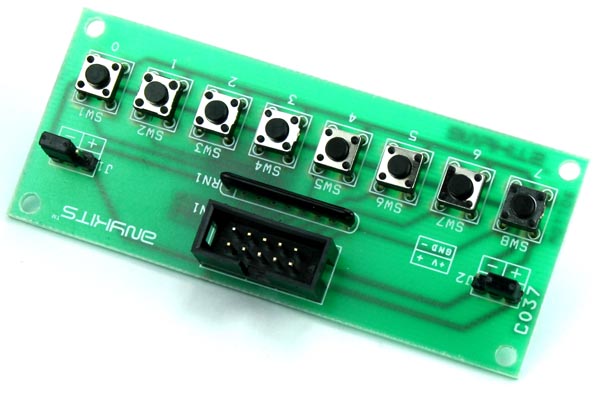
Tactile Switch Soldering

Before soldering tactile switch on PCB, please be make sure  that soldering can be performed properly. Otherwise the Switch may be deformed by the soldering heat on the pattern or lands of the PCB. Do not solder tactile switch more than twice, including rectification soldering. An interval of five minutes is required between the first and the second soldering, or it may result in melting housing and deterioration of operating characteristics.

tactile switch soldering


Soldering conditions

Hand soldering (common)

Soldering temperature

350

Continuous soldering time

3s

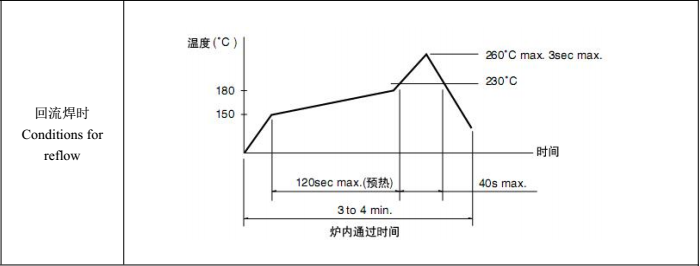
Condition for reflow (Surface Mount type)

Condition for reflow


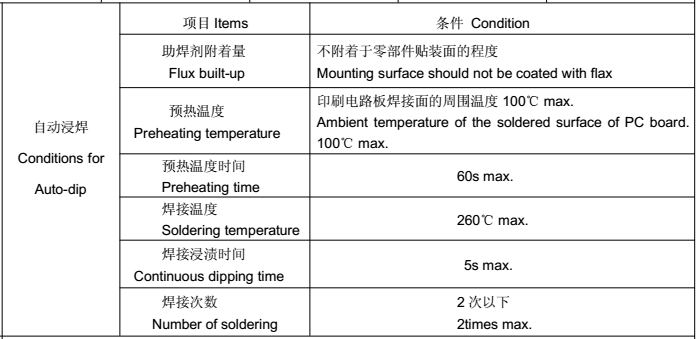
Condition for Auto-DIP(DIP Thru-Hole Type)

Condition for Auto-DIP


Attention

1. After switches were soldered, please be careful not to clean switches with solvent.

2. In the case of using soldering iron, soldering conditions shall be 350Max and 3 sec. Max.

3. Right after gangyuantech switches were soldered, please be careful not to load to on the knobs of switches.

4. Please be cautious not to excessive static load or shock to switches.

5. Please be not to pile up P.W.B. after the switches were soldered.

6. Preservation under high temperature and high humidity and corrosive gas should be avoided. Especially when you need to preserve for a long period, do not open the carton.


Choosing the right HD LED dance floor for your event or venue involves understanding several key factors. At Johnye, we are a professional LED display manufacturer specializing in high-quality, customized LED floors perfect for stages, exhibitions, and interior design projects. Our products are designed to elevate the atmosphere of any event, offering vibrant visuals, durability, and interactive features.


1. Purpose and Event Type

Event Size: Whether it’s a large concert or a small private gathering, we offer LED floors in a variety of sizes and configurations to suit your needs. With our customizable options, we can tailor the design to match the scale and ambiance of your event.

Usage: If you’re planning for long-term or repeated use, our LED floors are built to last, with rugged construction that can withstand heavy foot traffic without compromising on performance.


2. Size and Layout

Modular Design: Our HD LED dance floors come in modular panels, allowing for flexible configurations. You can easily expand or rearrange the panels to fit the space and design of your venue.

Tailored Fit: Whether you need a square, rectangular, or uniquely shaped dance floor, we can customize the design to suit your specific needs, ensuring that your floor integrates seamlessly with your space.


3. Display Quality

Resolution: With high-definition resolution, our LED floors provide crisp, clear visuals. Thanks to customizable pixel pitch options, we ensure that the images and animations appear sharp, even from a distance.

Brightness: Designed for high visibility in any lighting condition, our LED floors are equipped with adjustable brightness settings to ensure they shine through, whether your event is in a well-lit room or a dimmed stage.


4. Durability and Weight Capacity

Heavy Duty: At Johnye, we pride ourselves on providing durable, long-lasting products. Our LED dance floors are built to support heavy foot traffic and ensure safety with a robust weight capacity. They are ideal for high-energy events like concerts, parties, and exhibitions.

Maintenance-Free: Our floors are easy to clean and maintain, ensuring that your investment remains in top condition even after frequent use.


5. Interactivity and Features

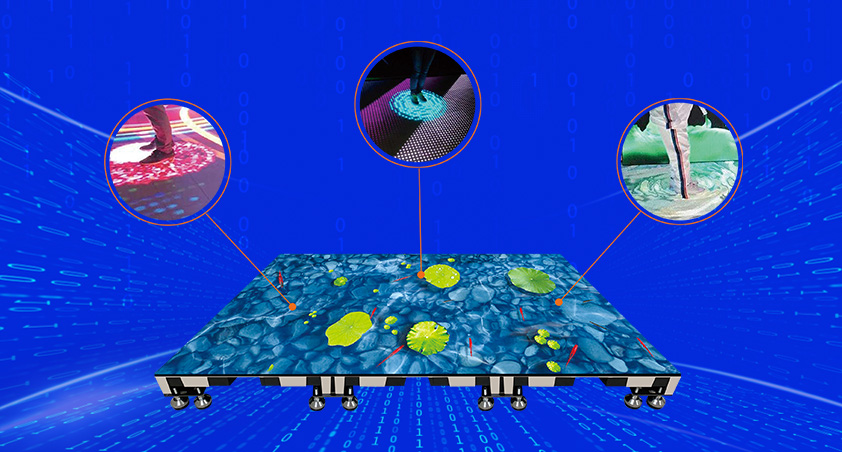
Interactive Effects: Our LED floors are not just about visual appeal—they can also be interactive! Touch-sensitive and music-responsive features add an extra layer of excitement and immersion, transforming your dance floor into an integral part of the show.

Customizable Displays: Whether you want to showcase a brand logo, display unique animations, or adjust the lighting to match the mood, our customizable options make it easy to create the perfect experience for your guests.


China GOB HD led floor


6. Ease of Setup and Maintenance

Quick Installation: We understand that time is valuable, especially during event preparation. Our LED floors are designed for easy, hassle-free installation and can be quickly set up and dismantled.

Long-Term Reliability: With Johnye, you don’t just get a product; you get a reliable partner. Our floors are built to last, reducing maintenance costs and downtime.


7. Power and Connectivity

Seamless Connectivity: Our LED floors are compatible with multiple control options, including remote control, mobile apps, and DMX control for more advanced customization. We ensure the power supply and connectivity are smooth and efficient for uninterrupted performance.


8. Budget

Competitive Pricing: At Johnye, we believe in providing high-quality LED floors that offer great value for money. Whether you're planning to rent or purchase, we offer competitive pricing and options that suit a variety of budgets.

Customization at No Extra Cost: One of the advantages of choosing Johnye is our full customization support—create a personalized LED floor without the extra cost. We work with you to meet both your creative and budgetary needs.


Ready to Create Your Perfect LED Dance Floor?

At Johnye, we are committed to delivering high-quality, customized LED floors that suit every type of event. From concerts to exhibitions and interior design projects, our versatile LED displays can be tailored to meet your specific needs. Whether you need a stunning visual display or an interactive, high-performance dance floor, we’re here to help.


Contact us today to learn more about our products and how we can help you bring your event to life with our customizable LED floor solutions. Let us turn your vision into reality! william@qiangyitech.com


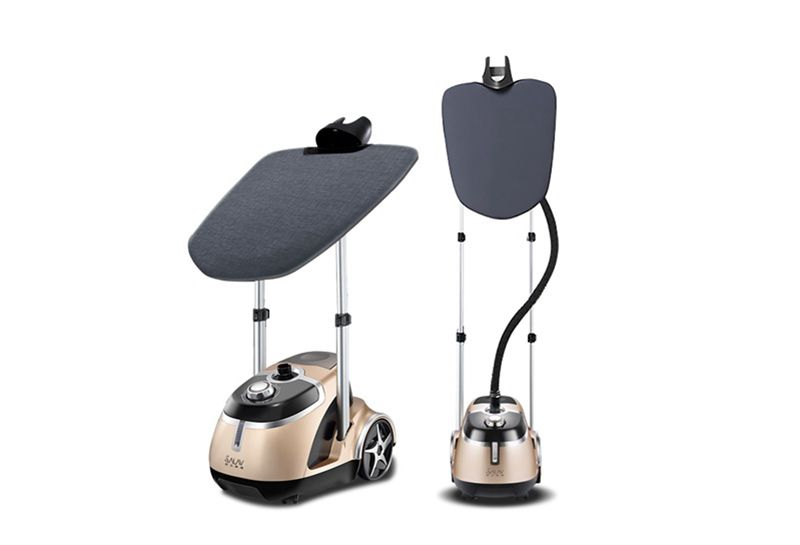
    With the growing emphasis on quality living, the demand for better clothing care solutions has surged. Garment steamers have become an essential household appliance, offering a convenient way to maintain wrinkle-free and hygienic clothing. These devices enable users to quickly smooth out various garments, such as suits and shirts, turning them into perfectly presentable attire in no time. Behind this seamless functionality lies the indispensable contribution of NTC thermistors.

    Garment steamers operate by producing high-temperature steam, typically around 98°C, which softens fabric fibers and eliminates wrinkles through a combination of heat and gentle pressure. The steam not only smooths clothing but also provides effective sterilization. With just a minute of preparation, the steamer generates high-pressure steam to treat clothing wrinkles, requiring no ironing board and simplifying the traditionally tedious ironing process. Suitable for a variety of materials, garment steamers are versatile tools for clothing, curtains, and carpets, saving time and effort while delivering excellent results.

    The temperature control module of a garment steamer integrates a temperature-measuring NTC thermistor, which plays a critical role in ensuring the device operates efficiently and safely. By continuously monitoring the temperature of heating components, the thermistor transmits this data to the control module, which adjusts the connection circuit between the rechargeable battery and the low-voltage DC water pump accordingly. Operating in high-temperature, high-humidity conditions, this thermistor must meet rigorous standards for performance and reliability.

    Nanjing Shiheng Electronic Technology Co., Ltd. has developed NTC thermistors specifically designed for such demanding environments. Through extensive research and innovation, the company has overcome numerous technical challenges, enabling the mass production of reliable, high-performance thermistors. These components deliver the accuracy and durability required for garment steamers to function optimally.

    Our NTC thermistor products are designed for a variety of applications, including surge suppression, temperature compensation, precise temperature measurement, and temperature control. With a commitment to advancing temperature-sensing technology, we ensure that our solutions meet the highest industry standards, offering dependable performance across diverse use cases.

NFC restaurant stickers are becoming increasingly popular among food establishments looking to streamline the ordering process and enhance customer experience. These innovative stickers are equipped with NFC (Near Field Communication) technology, allowing customers to easily place their orders with a simple tap of their smartphone. With the ability to encode ordering links and custom QR codes, NFC restaurant stickers are revolutionizing the way we order meals.

NFC Restaurant Stickers


The convenience and efficiency of NFC restaurant stickers are unmatched. By embedding NFC technology into these stickers, restaurants can provide customers with a seamless ordering experience. Whether customers choose to scan the QR code or tap the sticker with their smartphone, they can instantly access the restaurant's menu and place their order without any delay. This eliminates the need for physical menus, reduces wait times, and enhances overall customer satisfaction.


Customization is key when it comes to NFC restaurant stickers. Restaurants can personalize these stickers with their logo and QR code, creating a branded and cohesive look that aligns with their identity. The option for custom QR code printing allows restaurants to showcase promotions, discounts, or special offers, further engaging customers and driving sales. With NFC technology at the core, these stickers offer a modern and interactive solution for restaurants looking to stay ahead of the curve.

NFC Restaurant Stickers


The versatility of NFC restaurant stickers extends beyond just ordering meals. These stickers can also be used for loyalty programs, feedback collection, and promotional campaigns. By leveraging NFC technology, restaurants can create engaging and interactive experiences that resonate with customers and keep them coming back for more. The ease of use and convenience of NFC stickers make them a valuable tool for enhancing customer engagement and building brand loyalty.


So, NFC restaurant stickers are revolutionizing the dining experience by offering a convenient and efficient way to order meals. With the ability to encode ordering links, customize with logos and QR codes, and provide a seamless ordering process, these stickers are a game-changer for restaurants looking to innovate and enhance customer satisfaction. As the demand for NFC technology continues to grow, now is the perfect time for restaurants to embrace NFC restaurant stickers and elevate the dining experience for their customers.


Related Products:  NFC Table Stand Card

When it comes to how hotel key cards work, we have to admit that these small cards play a vital role in the hotel industry. They help hotels provide a safe and convenient check-in experience through modern technology, and also reflect the industry's continuous evolution in the application of technology.

Branded Hotel Key Cards


Technology Foundation: RFID and Encryption

Most branded hotel key cards use radio frequency identification technology (RFID), which allows the card to communicate wirelessly with the hotel's door lock system. RFID technology allows the card to be automatically recognized when it touches or approaches the reader, thereby initiating access verification. This process ensures information security through complex encryption protocols to prevent unauthorized entry.

Hotel System Integration and Management

Modern hotel management systems integrate hotel rfid card with room reservations and management. Once guests complete a reservation, they are assigned a key card that contains access rights during their stay. This information is stored in a central computer system and can be managed and updated at any time by hotel staff as needed.

Industry Trends and Developments

In 2024, the hotel industry will rely more and more on technology, and the development of key card technology is no exception. With the trend of intelligence and interconnection, some hotels have begun to explore the use of smartphones instead of traditional key cards. This technology, called mobile key, allows guests to use their mobile phones for virtual key control, further improving convenience and security.

Security and Privacy

Despite the continuous advancement of technology, hotels still pay attention to security and privacy when using key cards. For example, when guests check out, the hotel will immediately disable their key cards to ensure that they can no longer be used to access the room. Some advanced systems even automatically erase all data on the card to prevent any potential information leakage.

Overall, hotel key cards are not only an essential tool for accessing the guest room, but also an important part of hotel management and customer service. Through RFID technology and modern management systems, these cards provide efficient and secure access control, while also keeping in line with industry development trends to bring guests a more pleasant stay experience.

RFID laundry tags identify and track the entire washing process through a series of steps that involve tagging, reading, and data management. Here's a detailed breakdown of how this system works:

1.Tagging the Laundry Items

  • Attachment: Durable RFID tags, which can withstand harsh washing conditions, are attached to each laundry item. These tags are often sewn into linens, towels, and uniforms.
  • Unique Identifier: Each RFID tag contains a unique identifier (UID) that corresponds to the specific item in the hotel's inventory management system.


2.Initial Registration

  • Entry into System: When a new item is tagged, its UID is scanned and entered into the hotel's inventory system, along with details like item type, size, color, and purchase date.


3.Collection and Sorting

  • Dirty Laundry Collection: When laundry items are collected from guest rooms or staff, they are scanned using RFID readers.
  • Automatic Sorting: RFID readers can be installed at collection points or sorting stations. These readers automatically identify and categorize items based on their UIDs, sorting them into appropriate groups (e.g., sheets, towels, uniforms).


4.Tracking through the Washing Process

  • Washing Cycle Entry: As sorted laundry enters the washing machines, RFID readers at the entry point scan the items again to log the start of the washing process.
  • Cycle Monitoring: Throughout the washing cycle, the RFID tags can be periodically scanned to monitor progress. This helps in ensuring that the right items are processed correctly.
  • Post-Wash Sorting: After washing, the items are scanned again to confirm completion of the wash cycle. This step ensures that all items are accounted for and have been properly cleaned.


5.Drying and Finishing

  • Drying: RFID readers can also track items as they move to the drying phase, ensuring no items are lost or misplaced between washing and drying.
  • Ironing and Folding: Items are scanned post-drying, allowing the system to update their status and track them through ironing and folding processes.


6.Return to Storage or Use

  • Final Sorting: Clean items are scanned and sorted for storage or immediate use. This step ensures that the inventory is updated with the latest status of each item.
  • Distribution: When items are sent back to rooms or issued to staff, they are scanned to log their new location and usage status.


7.Data Management and Analysis

  • Inventory Updates: The RFID system continuously updates the inventory, providing real-time data on the location, condition, and usage history of each item.
  • Usage Tracking: The system records the number of washes and usage cycles for each item, helping to identify when items need to be replaced.
  • Loss Prevention: By tracking each item's journey, hotels can reduce losses and theft, ensuring better management of their linen and uniform inventory.


8.System Alerts and Maintenance

  • Alerts: The system can generate alerts for items that need special attention, such as those that have been washed a predetermined number of times and are due for replacement.
  • Maintenance Scheduling: Data from the RFID system helps schedule regular maintenance and checks for both the laundry items and the RFID system itself, ensuring smooth operations.

UHF Laundry Tag

Implementation in Practice

  • RFID Readers: Placed at strategic points such as laundry chutes, washing machine entry/exit points, drying areas, and storage rooms.
  • Software Integration: The RFID system is integrated with the hotel’s inventory and property management software to provide a seamless flow of information and updates.
  • Training: Staff are trained to use RFID scanners and interpret data from the management software, ensuring efficient handling of the laundry process.

Benefits

  • Efficiency: Reduces manual sorting and tracking, speeding up the laundry process.
  • Accuracy: Minimizes human error in inventory management.
  • Cost Savings: Lowers the cost associated with lost or damaged items.
  • Quality Control: Ensures that linens and uniforms are consistently tracked for quality and longevity.


By leveraging RFID technology, hotels can significantly enhance the efficiency, accuracy, and overall management of their laundry operations, leading to better resource utilization and improved guest satisfaction. Shenzhen ZhiJie IOT Application Co,Ltd provide different kinds of rfid laundry tags for worldwide customers in laundry industry and tracking applications.

How to Use Our Textile UHF Laundry Tag: