In the fields of information display and advertising, LCD Digital Signage is widely used due to its excellent display performance and versatility. Choosing the right LCD Digital Signage not only affects visual quality but also impacts long-term reliability. This article will provide a detailed analysis of key technical parameters of LCD Digital Signage, including LCD panel brands, brightness, contrast ratio, orientation, intelligent temperature control systems, casing materials, IP rating, and operating temperature, to help you make an informed purchasing decision.


1. Understanding Technical Parameters

Understanding the following technical parameters is crucial for selecting the right LCD Digital Signage:

LCD Panel Brand: The brand of the LCD panel directly influences the performance and quality of the display. Reputable brands such as LG, Samsung, and AUO typically offer higher image quality, stability, and longer lifespan. Choosing a reliable brand ensures superior display performance and durability.

Brightness: Brightness determines the visibility of the display under various lighting conditions. Common brightness ranges are 300-600 cd/m² for indoor use, while outdoor environments require high-brightness displays of 2500 cd/m² or more to ensure clear visibility.

Contrast Ratio: The contrast ratio affects the image quality and color representation of the display. High contrast ratios (e.g., 1200:1 or higher) provide more vivid colors and deeper blacks, enhancing visual effects and detail display.

Orientation: The orientation of the display (horizontal or vertical) depends on the application requirements. Horizontal displays are suitable for billboards and mall displays, while vertical displays are ideal for kiosks and metro stations. Choose the appropriate orientation to meet the specific needs of your application.

Intelligent Temperature Control System: An intelligent temperature control system can monitor and adjust the display's operating temperature in real-time to prevent overheating. This system typically includes built-in fans, heat sinks, or temperature sensors, ensuring the device remains at a normal temperature during prolonged use, thus extending its lifespan.

Casing Materials: The casing material of the display affects its durability and protection. Common casing materials include aluminum alloy and steel, with aluminum alloy casings being popular for their lightweight and excellent heat dissipation. Choose sturdy and durable casing materials to protect the display from external damage.

IP Rating: The IP rating indicates the protection level of the display. An IP56 rating means the display is completely dust-proof and water-resistant, making it suitable for outdoor environments. Choosing a high IP rating ensures the device can operate normally under various weather conditions, reducing the occurrence of malfunctions.

Operating Temperature: The operating temperature range of the LCD display determines its adaptability to different environments. Common operating temperature ranges are -10°C to 50°C. Ensure that the chosen display can operate stably within the expected environmental temperature.

2. Application Scenarios

Different application scenarios have varying requirements for LCD displays:

Advertising and Retail Display: High-resolution and high-brightness LCD displays can effectively attract customers' attention, displaying advertisements and promotional information. Suitable for malls, exhibitions, and retail stores.

Public Information Display: In locations such as stations, airports, and public squares, LCD displays need to have good visibility and durability to ensure clear information transmission and long-term stable operation.

3. Purchasing Tips

Consider the following aspects when purchasing an LCD display:

Supplier Reputation: Choose suppliers with a good reputation to ensure product quality and after-sales service. Reviewing supplier customer feedback and project cases can help evaluate their reliability.

Quality Certifications: Ensure the purchased LCD displays meet international quality standards, such as CE and RoHS. These certifications guarantee product performance and safety.

After-Sales Service: Confirm whether the supplier offers comprehensive after-sales services, including warranty, technical support, and repair services. Good after-sales service can help resolve issues during usage.

Cost-Effectiveness: When choosing an LCD display, look for cost-effective products within your budget. Consider the balance between price and performance to ensure the best return on investment.

4. Case Study

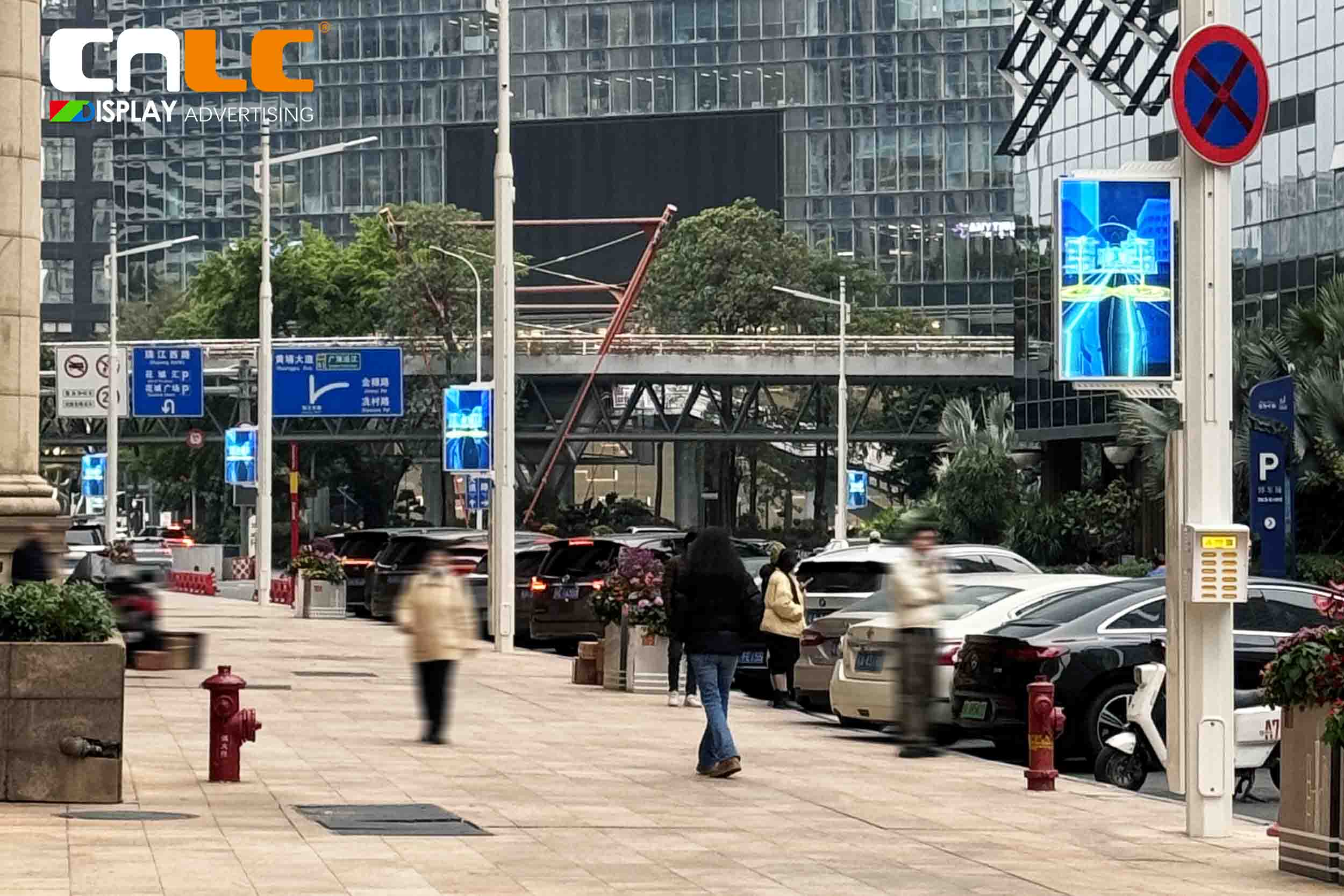
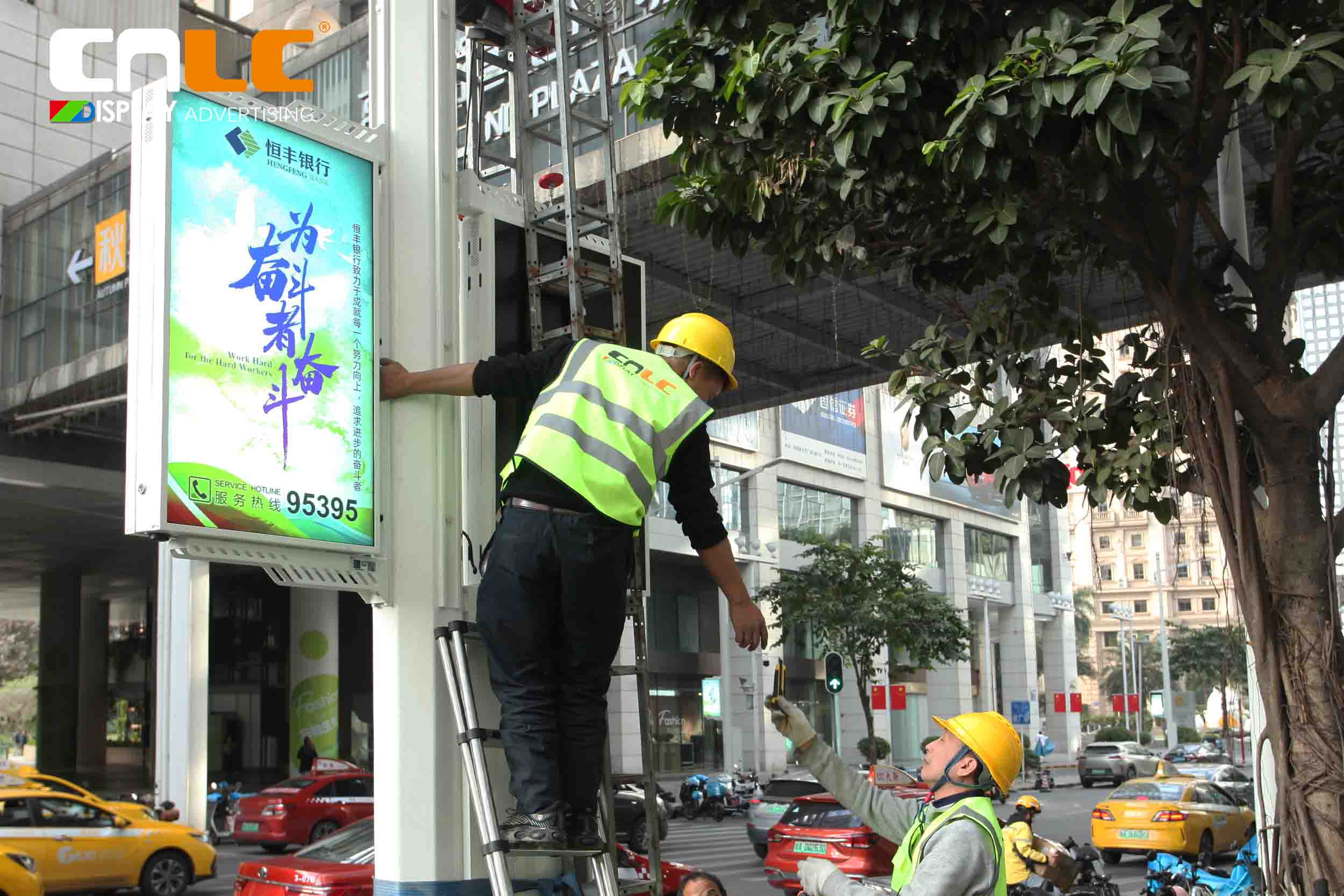
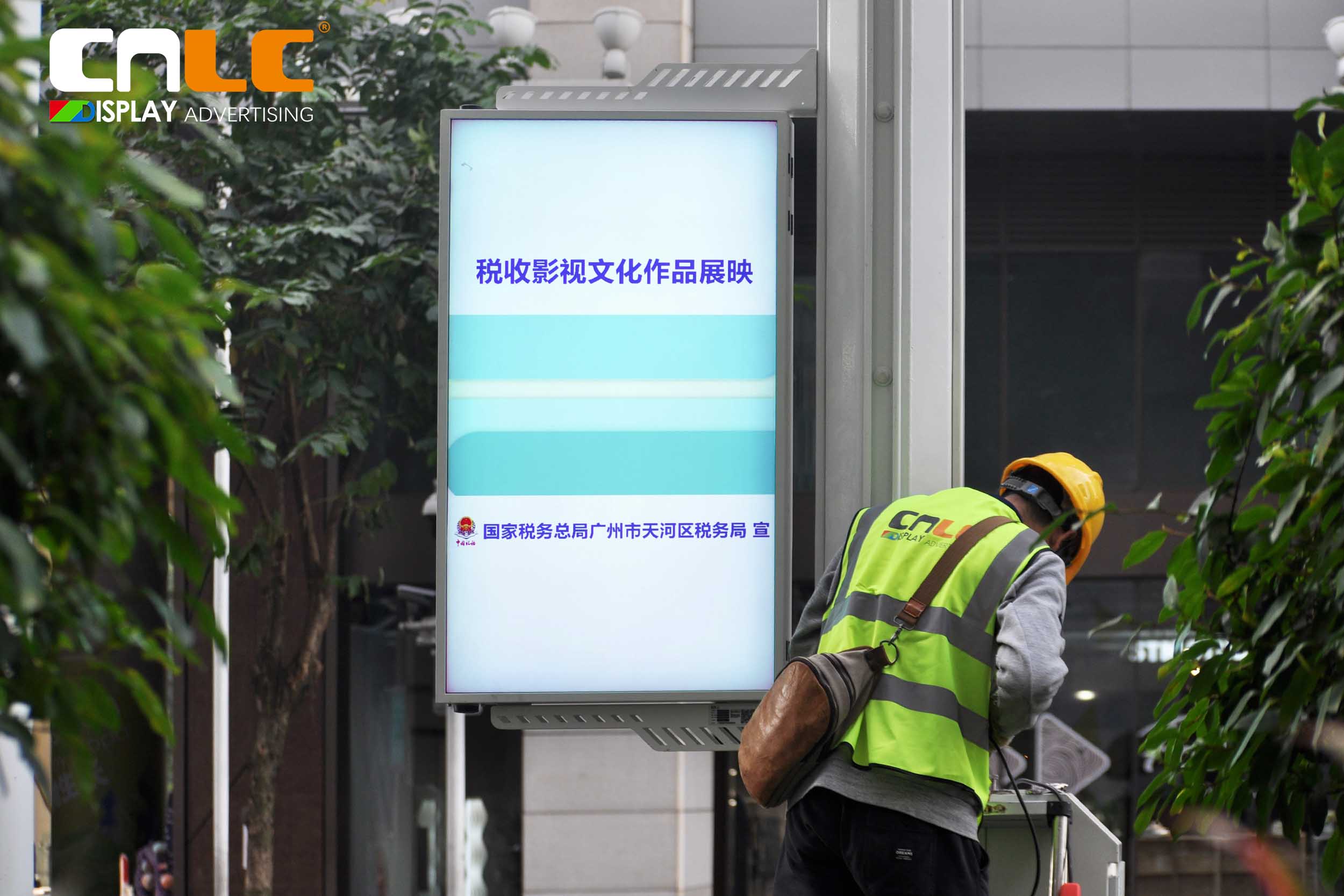
Guangzhou FlowerCity Square LCD Display Project: Recently, we installed 200 outdoor 49-inch LCD displays at Guangzhou FlowerCity Square. The success of this project lies in choosing high-brightness and high-resolution displays, ensuring clear content visibility under various lighting conditions. Customer feedback indicates that these displays have excelled in advertising and public information display, significantly enhancing visual effects and audience experience.

For more details about this project, visit our website https://www.cnlcdisplay.com

Conclusion:

Selecting the right LCD display requires comprehensive consideration of technical parameters, application scenarios, and purchasing tips. We hope this guide helps you make informed decisions during the purchasing process. If you need more information or consulting services, feel free to contact us, and we will provide professional support.
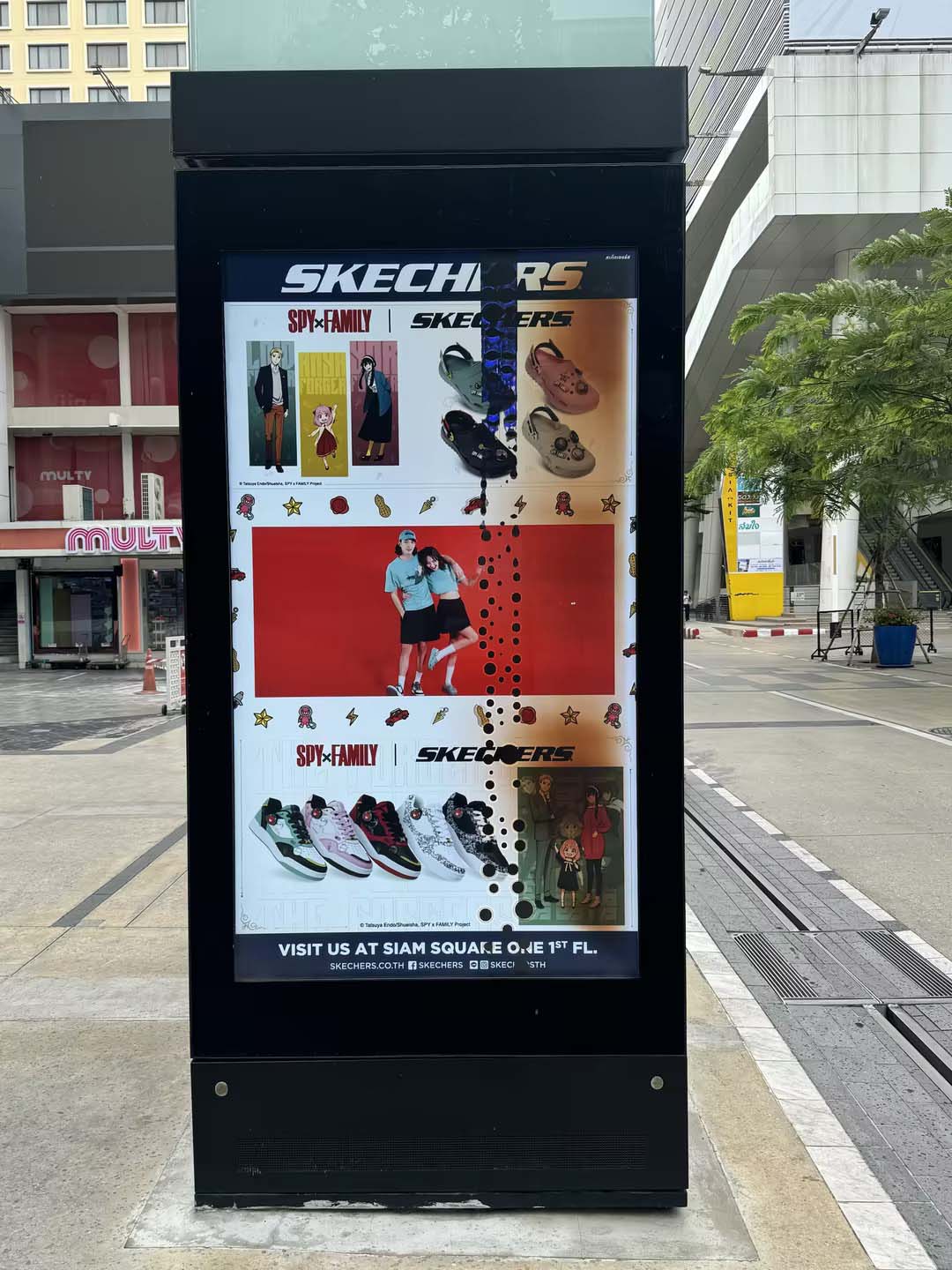
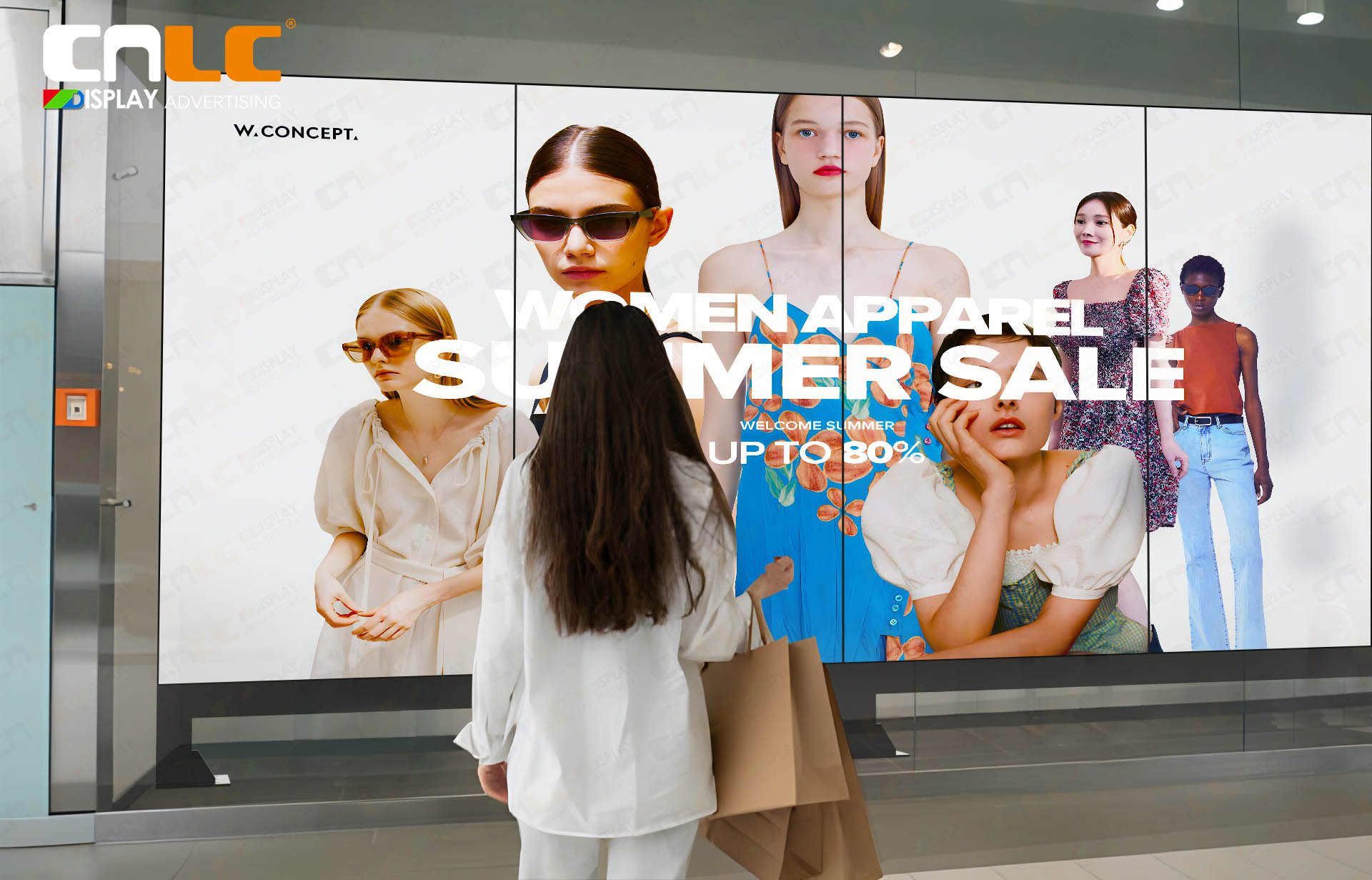
In the realm of outdoor digital signage technology, LCD screens are widely used due to their high brightness, low power consumption, and vibrant colors. However, as these technologies become more prevalent, the impact of outdoor environments on LCD screens has become increasingly significant. The issue of screen blackouts, particularly during prolonged exposure to direct sunlight in summer, has emerged as a pressing challenge. This blog will explore the causes of this phenomenon and provide expert recommendations for prevention.


outdoor digital signage


The Impact of Sunlight on LCD Screens


Sunlight consists of visible light, infrared rays, and ultraviolet (UV) rays, with UV rays having the highest energy. Prolonged exposure to strong UV radiation can severely affect LCD screens. The high-energy UV photons can cause the following damage to liquid crystal molecules:


  1. Chemical Bond Breakage in Liquid Crystal Molecules: The high energy of UV photons can break the chemical bonds in the long chains of liquid crystal molecules, causing molecular fragmentation. This disruption in molecular alignment impairs the screen's ability to respond to electrical signals, affecting display performance.

  2. Decrease in Electrical Resistance and Increase in Power Consumption: Short-term exposure to strong UV rays can lead to a decrease in the electrical resistance of the LCD components and an increase in power consumption. This change means that liquid crystal molecules require more energy to maintain normal display operation, exacerbating their operational strain.

  3. Reduction in Threshold Voltage: Prolonged UV exposure can lower the threshold voltage of liquid crystal molecules. A reduced threshold voltage means that the molecules become less sensitive to driving voltages, making it difficult to maintain stable molecular alignment and impacting the display quality.

  4. Screen Yellowing, Brightness Reduction, and Black Spot Formation: When UV damage causes liquid crystal molecules to cease functioning, the screen can exhibit yellowing, reduced brightness, and, in severe cases, permanent black spots. These black spots not only impair the display of advertisements but also degrade the overall visual quality of the screen.

  5. Temporary Recovery and Permanent Damage: Liquid crystal molecules might temporarily recover their functionality when temperatures drop. However, repeated cycles of high temperatures and UV exposure can lead to permanent damage, rendering the LCD screen inoperable and resulting in permanent black spots.


How to Prevent LCD Screen Blackouts


To address the issues mentioned above, industry experts and engineers have proposed several solutions to mitigate or prevent the impact of sun exposure on LCD screens:

  1. Use of UV-Blocking Coatings or Filters: Applying UV-blocking coatings or filters to the surface of the LCD screen can effectively block a portion of UV rays from reaching the liquid crystal layer. This reduces direct UV damage to the liquid crystal molecules and extends the screen's lifespan.

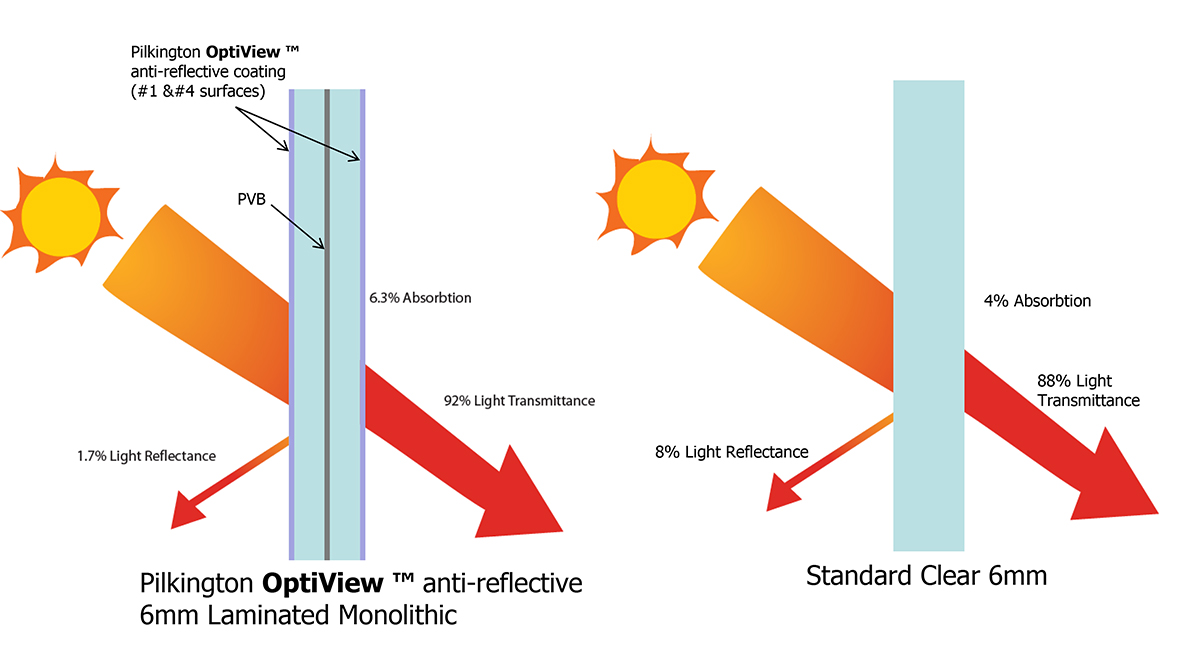
  2. Application of AR Glass: Utilizing Anti-Reflective (AR) glass can effectively block UV rays and reduce light reflection. AR glass achieves UV protection through specific UV-absorbing materials or coatings, significantly reducing UV damage to the LCD screen. Additionally, AR glass enhances display performance by minimizing reflections and glare, improving screen visibility.

  3. Optimized Heat Dissipation System: Designing an efficient heat dissipation system is crucial for preventing LCD screens from overheating. Employing advanced cooling solutions such as additional ventilation channels, high-performance fans, or liquid cooling systems can effectively lower the operating temperature of the LCD screen and prevent heat-related damage.

  4. Selection of High-Temperature Resistant LCD Materials: Using LCD materials specifically designed for outdoor environments can improve the screen's resistance to high temperatures and UV exposure. These materials are specially treated to maintain stable physical properties under high temperatures, reducing the risk of molecular chain breakage and alignment failure.

  5. Regular Maintenance and Cleaning: Regular cleaning and maintenance of the digital signage’s cooling system and screen surface are essential for ensuring proper operation. During maintenance, check for scratches or damage to coatings and promptly repair or replace damaged components to prevent direct UV exposure to the liquid crystal layer.


Conclusion

The widespread use of LCD technology in outdoor digital signage makes addressing screen blackout issues crucial. By implementing UV-blocking technologies, optimizing cooling systems, and selecting high-temperature-resistant materials, it is possible to extend the lifespan of LCD screens and enhance their reliability in harsh environments. As technology continues to advance, we can anticipate more sophisticated protective measures being applied to LCD screens, providing even greater durability and performance for outdoor digital signage.

In today's world of digital display screen, choosing the right technology for your needs can be challenging. This blog will help you understand the differences between LCD splicing screens and LED screens, focusing on the advantages of LCD splicing screens to help you make an informed decision.


What is a Splicing Screen?

A splicing screen, or video wall, is a large display created by combining multiple smaller screens. These screens, which can be either LCD or LED panels, are connected and configured to work together as a single, cohesive display. Splicing screens are commonly used in various settings, including command centers, control rooms, advertising spaces, and public displays, providing flexible configurations and high visual impact.

What is Seamless Splicing Technology?

Seamless splicing technology minimizes the visible gaps between individual screens in a video wall. This is achieved by reducing the bezel width, resulting in a smooth and continuous image across the entire display. This technology enhances the visual experience by providing an uninterrupted and immersive viewing experience, which is particularly important for applications that require high precision and detailed visuals.

Comparing LCD Splicing Screens and LED Screens

LCD Splicing Screens:

Advantages:

  1. Higher Resolution: LCD panels typically offer higher resolution, delivering clearer and more detailed images, which is essential for applications requiring precision and clarity.
  2. Color Accuracy: LCD screens are known for their superior color accuracy, making them ideal for environments where true-to-life color representation is critical, such as in control rooms and digital signage.
  3. Cost-Effective: Generally, LCD splicing screens are more affordable than their LED counterparts, making them a popular choice for budget-conscious projects.


Disadvantages:

  1. Bezel Width: Despite advancements in seamless splicing technology, LCD splicing screens still have thin bezels that may be slightly visible, potentially disrupting the seamless viewing experience.
  2. Limited Viewing Angles: LCD screens can suffer from reduced brightness and color accuracy when viewed from wider angles, which might be a limitation in some setups.

LED Screens:

Advantages:

  1. True Seamlessness: LED screens can achieve true seamlessness with no visible gaps, providing a completely uninterrupted viewing experience, which is crucial for large-scale displays.
  2. Brightness and Contrast: LED displays offer higher brightness and better contrast ratios, making them suitable for outdoor and high-ambient light environments.
  3. Flexibility: LED panels are more flexible in terms of size and shape, allowing for creative and custom display configurations.

Disadvantages:

  1. Higher Cost: LED screens are generally more expensive, which can be a significant consideration for budget-sensitive projects.
  2. Power Consumption: LED screens typically consume more power, leading to higher operating costs over time.

How to Choose the Right Display for Your Application?

When deciding between an LCD splicing screen and an LED screen, consider the following factors:

  1. Budget: Determine your budget constraints and weigh the initial investment against long-term benefits and operational costs.
  2. Display Environment: Assess the installation environment. LED screens are better suited for outdoor and high-ambient light conditions, while LCD screens are ideal for indoor settings requiring high resolution and color accuracy.
  3. Content Requirements: Consider the type of content you'll be displaying. If your application demands seamless visuals, such as in a control room or large public display, an LED screen might be more suitable. For detailed images and color accuracy, an LCD splicing screen is preferable.
  4. Maintenance: Evaluate the maintenance requirements and operational costs of each option. LED screens may require more frequent maintenance and higher power consumption.

Conclusion

Choosing between an LCD splicing screen and an LED screen depends on various factors, including your budget, display environment, content requirements, and maintenance considerations. By understanding the strengths and weaknesses of each technology, you can make an informed decision that best suits your specific application needs. While LED screens offer true seamlessness and superior brightness, LCD splicing screens provide higher resolution, better color accuracy, and cost-effectiveness, making them a reliable and versatile choice for many applications.

In today's Outdoor Digital Signage market, the durability and safety of Digital Signage Displays are crucial factors. To meet various harsh environmental conditions and potential vandalism, CNLC has introduced an Outdoor Digital Signage equipped with double-laminated glass. This unique design and powerful performance provide comprehensive protection for outdoor advertising.

What is Double-Laminated Glass?

Double-laminated glass is a composite glass made by bonding two layers of glass with an interlayer (PVB or SGP). This design not only enhances the strength of the glass but also provides excellent safety performance when subjected to impact.


IK10 Impact Resistance: Unbreakable Protection

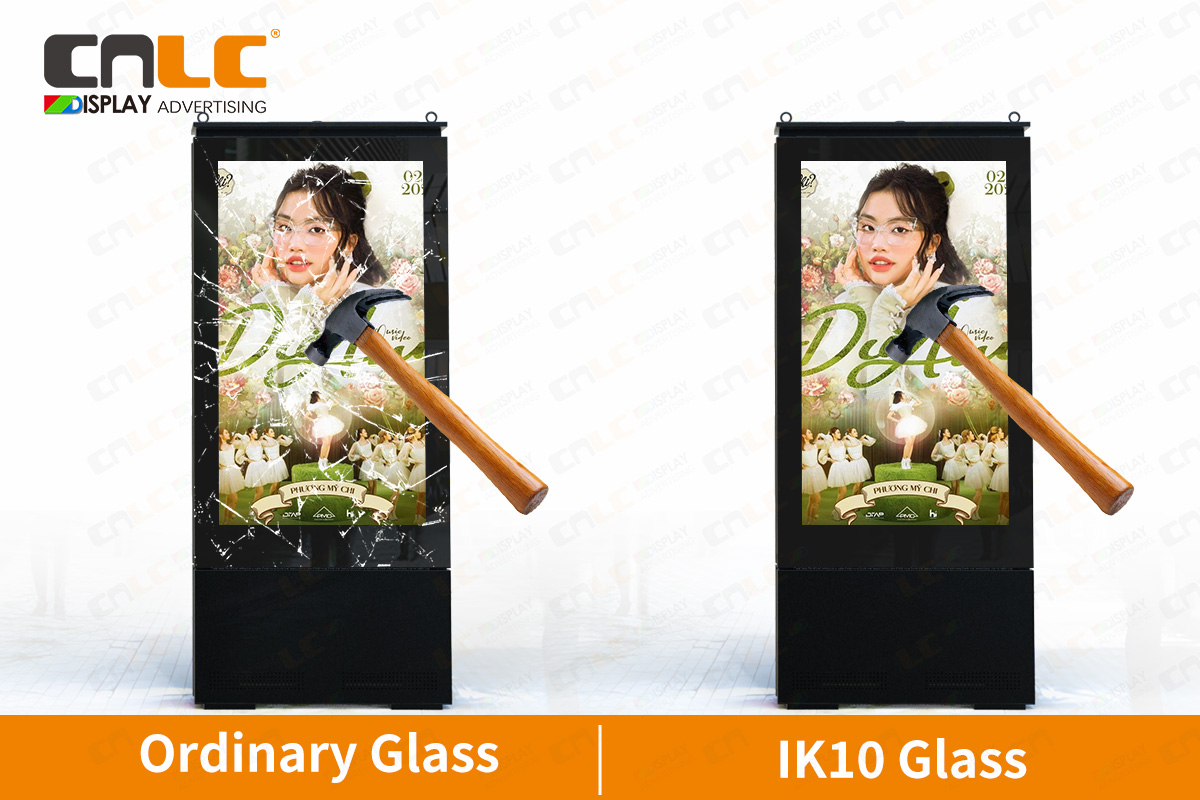
The double-laminated glass used in CNLC's Outdoor Digital Signage has an IK10 impact resistance rating. This means it can withstand an impact of 20 joules, equivalent to a 5 kg object falling freely from a height of 40 cm. This high level of impact resistance ensures that the Digital Signage Display remains intact even when faced with intentional damage or accidental impacts.


Outdoor Digital Signage

Shatter Retention: Safer Maintenance

Even in extreme cases where the glass is broken, the design of the double-laminated glass ensures that the fragments do not scatter everywhere. The interlayer keeps the broken glass pieces bonded together, preventing them from spreading out and posing a safety hazard. This design not only provides a safer working environment for maintenance personnel but also reduces the hassle of cleaning up the fragments.

Inner Layer Protection: Double Security

The glass of the Outdoor Digital Signage adopts a double-layer design. Even if the outer layer is broken, the inner layer still provides protection. The presence of the inner glass prevents fragments from entering the advertising machine's casing or falling onto the screen surface, thereby protecting the internal electronic components and display screen, ensuring continuous advertisement display.

Why Choose Our Outdoor Digital Signage?

  1. Strong Impact Resistance: IK10 impact rating provides excellent protection for the Outdoor Digital Kiosk.
  2. Safe Shatter Retention: The glass remains in one piece when broken, preventing the scattering of fragments.
  3. Double Protection Design: The inner layer of glass provides extra protection, ensuring continuous advertisement display.
  4. Simplified Maintenance: Safe design reduces risks and costs associated with maintenance.

Conclusion

In the Outdoor Digital Signage market, choosing a durable and safe Outdoor Digital Kiosk is crucial. CNLC's Outdoor Digital Kiosk, with its double-laminated glass design, provides not only a reliable platform for displaying advertisements but also dual protection for the equipment's safety and maintenance. Whether facing environmental challenges or threats of vandalism, our Outdoor Digital Signage can easily handle it, supporting your advertising campaign effectively.


This blog post provides a detailed introduction to the advantages of the double-laminated glass in CNLCdisplay's Outdoor Digital Signage. We hope it helps you better understand the powerful features of this product. If you have any questions or need further information, please feel free to contact us.

As technology advances and smart city initiatives progress, LCD flag totems have become an indispensable part of urban public facilities. Today, we’ll quickly guide you through what an LCD flag totem is, its features and performance, installation advantages, government support policies, and a notable case study by CNLC.


1. What is an LCD Flag Totem?


An LCD flag totem is an integrated liquid crystal display screen installed on urban lamp posts. These displays are typically found in streets, squares, bus stops, and other public places, used to show advertisements, traffic information, weather forecasts, public service announcements, and more. Due to their high brightness, high resolution, and flexible content updating capabilities, LCD flag totems play a vital role in urban informatization. They not only enhance the modern and technological feel of a city but also provide convenient information services to residents.


Digital Display Totem


2. Features and Performance of LCD Flag Totems


LCD flag totems come with several unique features and performance advantages:

  • High Resolution: Utilizing advanced LCD technology, these displays deliver sharp, clear images and videos, ensuring excellent visual experiences under various lighting conditions. Whether displaying static images or dynamic videos, viewers enjoy detailed visuals.

  • High Brightness: With extremely high brightness, LCD flag totems remain clearly visible even under direct sunlight. This ensures effective information transmission in outdoor environments.

  • Low Power Consumption: Modern LCD technology is energy-efficient, making these displays suitable for long-term operation. This not only saves energy but also reduces operating costs, aligning with energy conservation and environmental protection goals.

  • Smart Control: LCD flag totems support remote control and content management, allowing for real-time updates and maintenance. With intelligent control systems, users can adjust displayed content anytime, flexibly meeting different promotional needs.

  • Durability: These displays feature waterproof, dustproof, and UV-resistant properties, enabling them to withstand various harsh outdoor conditions and ensure long-term stable operation.


Digital Display Totem


3. Advantages of Installing LCD Flag Totems


Installing LCD flag totems offers several notable benefits:

  • Efficient Information Delivery: These displays can broadcast information in real-time, enhancing the efficiency and reach of public information dissemination. For example, government announcements, traffic information, and weather forecasts can be promptly communicated to residents.

  • Enhanced City Image: Modern display equipment makes cities smarter and more aesthetically pleasing, improving the overall city image. LCD flag totems are not just information delivery tools but also a beautiful urban landscape.

  • High Advertising Value: Due to their prominent placement, these displays attract significant attention, providing advertisers with an effective promotional platform. High resolution and brightness make advertisements more vivid, enhancing advertising effectiveness.

  • Improved Traffic Management: LCD flag totems can quickly publish traffic information and warnings, improving traffic management efficiency and safety. For instance, during traffic congestion or emergencies, these displays can promptly provide relevant information, guiding residents to travel wisely.

  • Space-saving: Installed on lamp posts, these displays make full use of urban space, avoiding additional land occupation. This flexibility is advantageous in urban construction, as it doesn’t take up valuable ground space.

  •  

LCD Flag Totem


4. Government Support for LCD Flag Totems


As smart city construction continues, governments at all levels increasingly emphasize the application of information technology equipment. LCD flag totems, being a crucial component of smart cities, have received strong government support:

  • Policy Support: Many cities have introduced policies to support smart display devices, encouraging the installation and use of LCD flag totems. For instance, some local governments have developed specific plans, incorporating these displays into urban infrastructure construction.

  • Standardization: Governments promote the establishment of relevant technical and installation standards, regulating the market order to ensure product quality and safety. Standardized management ensures that the installation and use of LCD flag totems comply with safety and technical requirements.

  • Project Promotion: In smart city projects, LCD flag totems are widely used for public information dissemination and intelligent traffic management, with governments actively promoting their adoption and application. For example, during large events and public incidents, these displays are often used to publish real-time information and guide crowds.


LCD Flag Totem


CNLC Case Study: Guangzhou FlowerCity Square


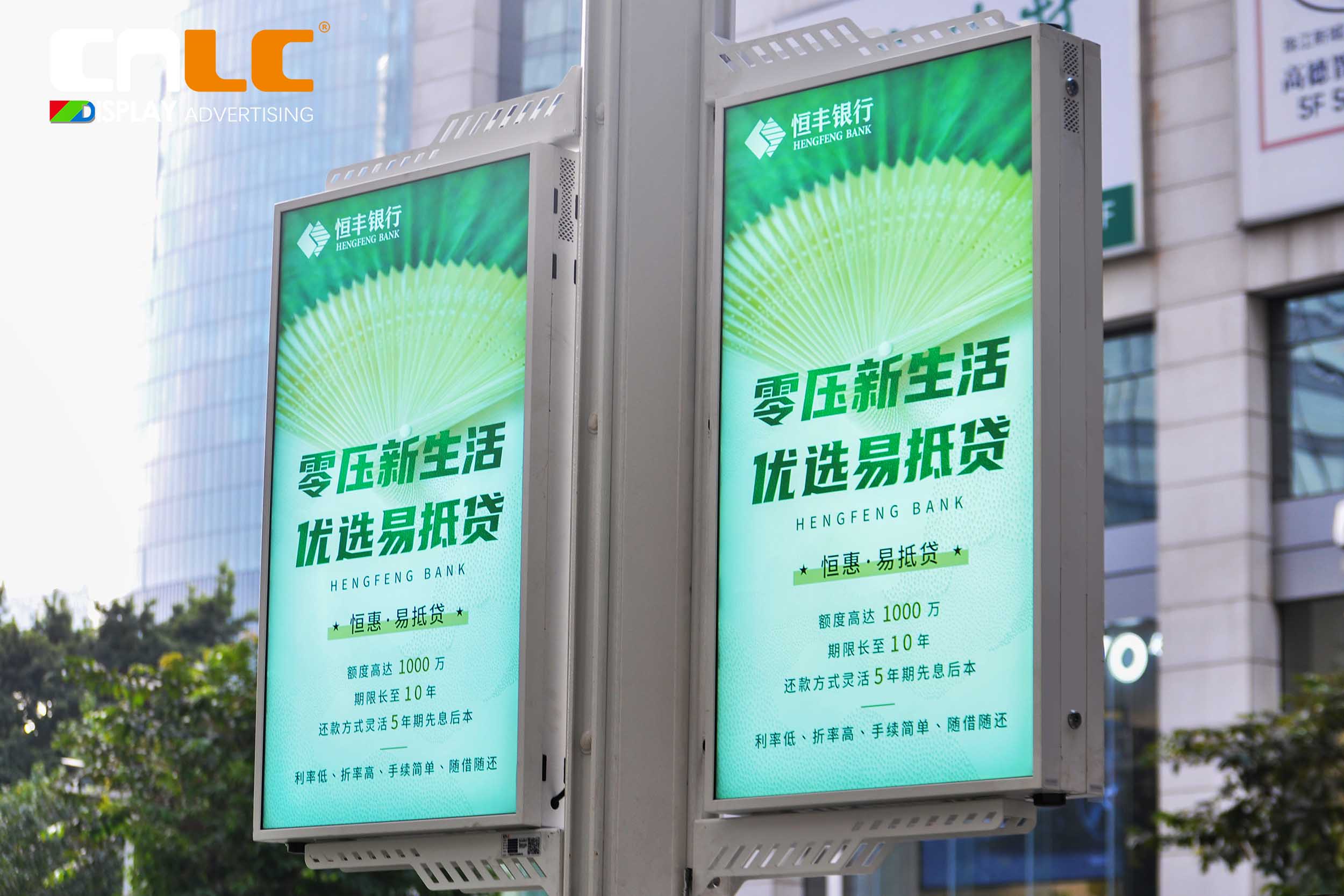
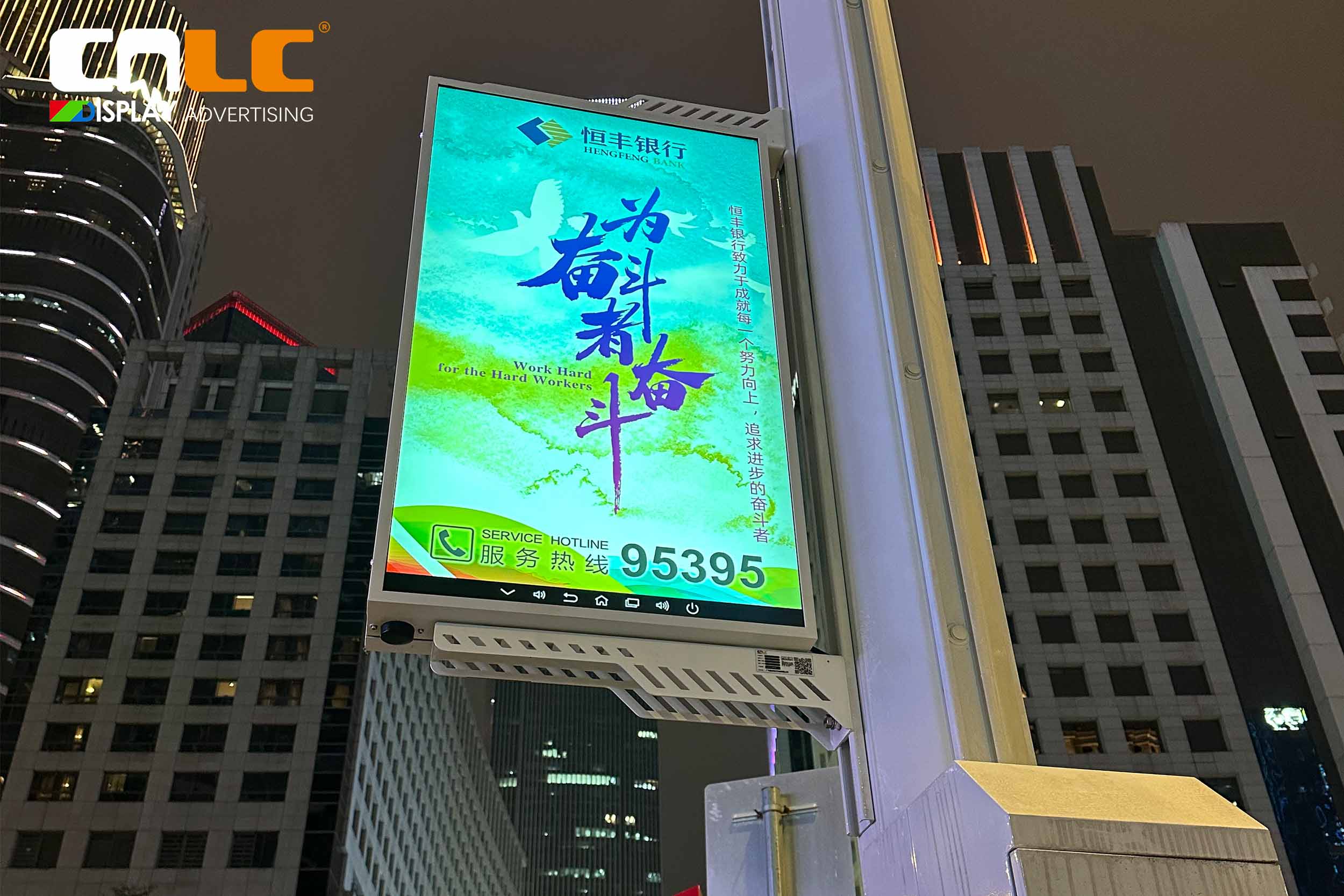
A notable example of the successful implementation of LCD flag totems is CNLC’s project in Guangzhou FlowerCity Square. This project involved the installation of 200 LCD Flag Totems, each featuring a 49-inch LCD outdoor digital signage display mounted on street light poles. Designed specifically for outdoor use, these displays seamlessly integrate with existing street lighting infrastructure, transforming ordinary street poles into dynamic digital advertising platforms and informational hubs. The high-definition screens and weatherproof aluminum construction ensure durability and optimal performance, enhancing the urban environment and providing a modern communication medium.


Outdoor Advertising Totem


Through the above content, you now have a comprehensive understanding of LCD flag totems. This advanced display equipment not only enhances urban informatization but also brings significant economic and social benefits. With continuous technological advancements and government support, LCD flag totems will play an increasingly important role in urban construction.


Finally, if you want to know more about LCD flag totems, please contact us.

We produce black color Alumina Ceramic Disc with high purity.

As a special ceramic packaging materials, black alumina ceramic's density is smaller than the general metal packaging material and better hermeticity than plastic packaging materials. In the requirements of electronic packaging with high reliability, hermeticity and heat shock performance, black alumina ceramic has advantages other kinds of packaging materials can not replace.

As semiconductor integrated circuits often have obvious photosensitivity, alumina used for digital tube liner is also required to be black to ensure that the digital display is clear, and the special ceramic material used for encapsulating the tube shell should be required to have light shielding. Therefore, the black color cermic meets the requirement of some electronic products to avoid light.

Have you heared : Long Reading Integrated RFID Reader?


RFID (Radio Frequency Identification) technology has revolutionized the way we track and manage objects, thanks to its unparalleled long-range reading capabilities and swift data transmission speeds.

Long Reading Integrated RFID Reader


Core Advantages of the Long Reading Integrated RFID Reader:


1.Exceptional long-range RFID reader for efficient tracking in large areas, reducing the need for close scanning.

2.This product features a compact, lightweight, and stable design for easy deployment and integration with various systems. It ensures a smooth transition into existing infrastructure with minimal disruption during installation and setup.

3.Support multiple RFID protocols, providing maximum compatibility with different RFID tags and systems, ensuring seamless integration with existing RFID infrastructure and reducing the need for future upgrades or replacement.

4.It has advanced data processing and analysis functions to help users deeply understand the business and improve efficiency and productivity based on data.


Applications of the Long Reading Integrated RFID Reader:


1. Warehouse Management: It enables efficient inventory tracking, minimizing stock issues and enhancing customer satisfaction while lowering costs.

2. Logistics Tracking: Its long-range capabilities are ideal for goods monitoring during logistics, ensuring seamless tracking from departure to delivery, and improving supply chain efficiency and transparency.

3. Retail Management: It helps retailers track inventory and prevent theft by monitoring various RFID-tagged products, ensuring product availability and alerting on unauthorized movements.

4. Healthcare Management: It enhances tracking of drugs and equipment in healthcare settings, improving patient safety and ensuring equipment availability.


The Long Reading Integrated RFID Reader is a revolutionary IoT solution that offers unparalleled advantages in terms of long-range reading capabilities, integrated design, multi-protocol support, and intelligent data processing. Its wide range of applications in warehouse management, logistics tracking, retail management, and healthcare management make it an essential tool for businesses seeking to improve operational efficiency and gain a competitive edge in today's fast-paced market.

Introduction: With advancements in technology, the field of vehicle safety has witnessed a significant innovation - the OMS system (Occupant Monitoring System). This advanced system integrates sensors and cameras to provide drivers with a safer and more comfortable driving experience. This article explores the problems that the OMS system can address and how it plays a crucial role on the road.
 
Firstly, the OMS system achieves comprehensive driver monitoring. Through sophisticated cameras and sensor networks, the system can monitor driver behavior in real-time, such as eye movements, head position, and attentiveness. This feature overcomes the limitations of human vision, effectively detecting signs of fatigue, distraction, or drowsiness, and issuing timely alerts or interventions to prevent accidents caused by driver inattention.
 
Secondly, the OMS system plays a vital role in maintaining driver alertness and attention. By continuously analyzing driver behavior and alertness levels, the system provides real-time feedback and warnings to ensure drivers remain focused on the road. For example, when the system detects driver distraction or a decrease in attention, it alerts the driver through sound, vibration, or light, reducing the risk of accidents caused by driver negligence.
 
Moreover, the OMS system can monitor the driver's health condition. By observing vital signs such as heart rate and respiration through sensors and cameras, the system can promptly detect potential health issues, including sudden emergencies. Once an abnormality is detected, the system can take appropriate actions such as issuing an emergency alert, contacting emergency services, or activating autonomous driving mode to ensure the vehicle safely stops and provide timely emergency assistance.
 
The OMS system also features adaptive safety functions that adjust safety settings based on driver behavior and requirements. For instance, considering specific needs and driving style, the system can automatically adjust seat belt tension, airbag deployment force, and stability control settings, providing the optimal protection.
 
Lastly, the OMS system provides a personalized and convenient experience. It can store driver preferences and settings, such as seat position, mirror angles, and climate control preferences. When different drivers take over the vehicle, the system can automatically adjust these settings through camera monitoring, offering a more comfortable and convenient driving experience.
 
In conclusion, the OMS system serves as a valuable tool, enhancing driver safety, preventing accidents caused by driver inattention or fatigue, and providing a personalized and convenient experience. As technology continues to advance, the OMS system will play an increasingly important role on the road, safeguarding safety.


Driving lenses are a crucial component of modern vehicles, enhancing safety and visibility for drivers. These lenses are specifically designed to aid in navigating different road conditions, weather, and lighting situations. In recent years, technological advancements have introduced sophisticated lens systems like the Electronic Mirror Lens, Front View Lens, and Rear View Lens, which play a significant role in improving driving experiences and vehicle safety.

Electronic Mirror Lens

The Electronic Mirror Lens is a cutting-edge technology that replaces traditional rearview and side mirrors with digital displays. These lenses are connected to cameras positioned around the vehicle, providing a real-time view of the surroundings. Unlike conventional mirrors, Electronic Mirror Lenses offer a wider field of vision, reducing blind spots and improving the driver's ability to detect obstacles. This technology is particularly beneficial in low-light conditions, as it can enhance visibility and provide clearer images, ensuring a safer driving experience.

Front View Lens

The Front View Lens is another critical component in modern vehicles, designed to capture a clear and wide-angle view of the road ahead. This lens is typically integrated into the vehicle's front camera system, allowing drivers to see obstacles, pedestrians, or other vehicles that might be in their path. The Front View Lens is particularly useful in preventing accidents, as it provides real-time footage that can be processed by the vehicle's safety systems to trigger warnings or automatic braking. In advanced vehicles, the Front View Lens works in conjunction with other sensors to facilitate features like adaptive cruise control and lane-keeping assistance, making driving not only safer but also more convenient.

Rear View Lens

The Rear View Lens is an essential tool for reversing and parking maneuvers. Positioned at the back of the vehicle, this lens captures a wide view of the area behind the car, helping drivers avoid collisions with objects or pedestrians that may not be visible through the rearview mirror. The Rear View Lens is often linked to a display on the vehicle's dashboard, providing a clear image of the rear surroundings. In many modern vehicles, the Rear View Lens is also equipped with guidelines that assist drivers in parking accurately, further enhancing the overall safety and ease of vehicle operation.

These advanced lens systems provide enhanced visibility and play a vital role in the integration of safety features like automatic braking, lane-keeping assistance, and adaptive cruise control. As technology continues to evolve, the future of driving lenses promises even greater innovations, making roads safer for everyone.


As an important piece of equipment for vehicle safety, the driving recorder lens's installation position is crucial to the shooting effect and field of view.


The location of the dash cam lens plays an important role in recording accidents, capturing evidence, and providing driver assistance functions. Proper mounting position ensures full field of view coverage and avoids blocking the driver's view. Here are some suggestions for choosing where to mount your dash cam lens:


1. Above the rearview mirror: This is one of the most common installation locations. Mounting the dash cam lens above the rearview mirror provides a wide field of view, covering the rear and sides of the vehicle. This mounting position also reduces interference with the driver's line of sight and provides clear rear video.

 car dvr lens YT-1739

2. Center of windshield: Mounting the dash cam lens in the center of the windshield provides the best coverage. This mounting position captures the front and rear of the vehicle without blocking the driver's view. However, it is important to note that when installing, make sure there is enough clearance between the lens and the windshield to avoid damaging the device in the event of a collision.

 dashcam dual-lenses

3. Above the license plate: Mounting the dashcam dual-lenses above the license plate can provide better coverage, especially at night or in bad weather conditions. This mounting position avoids blocking the license plate and ensures that both the front and rear are captured. However, it should be noted that local traffic regulations must be observed during installation to avoid violating relevant regulations.

 video recorder lens

4. Center of the roof: Mounting the dashboard camera lens in the center of the roof provides the widest field of view coverage without blocking the driver's view. This installation position is suitable for scenes that require panoramic recording, such as when reversing or passing through narrow roads. However, it is important to note that the device must be stable during installation and avoid falling during driving.

dashboard camera lens