WINSAFE will attend NABSHOW April 8-11 2019 at LAS VEGAS,NV, our booth No. C254,  welcome to our booth to learn more information about our product.


No matter you role, you are an integral part of the storytelling ecosystem. Gather with your global community to experience new gear, impressive tech and big think.


500+ Conference Sessions

200+ Production & Post Sessions


Come to discover solutions, build audiences and grow profits. Together, The NAB SHOW advance the art, science and business of storytelling.


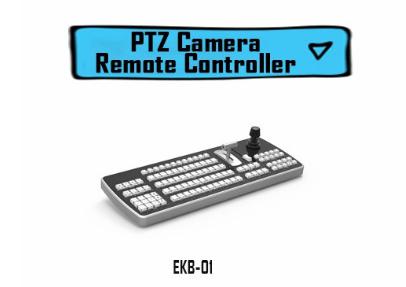
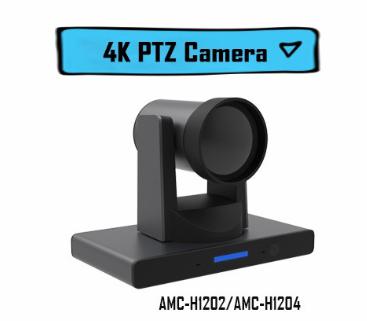
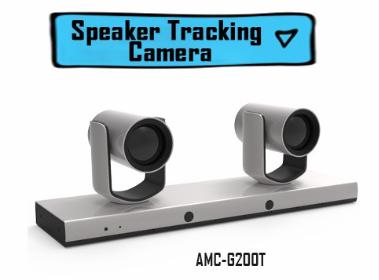
WINSAFE will bring our New PTZ Camera Remote Controller, New 4K PTZ Camera, New Speaker tracking PTZ Camera will attend the show, welcome you come to our booth to learn more details information about our cameras and controller.


PTZ Camera Remote Controller

-4D joystick, comfortable operation

-Control up to 8 cameras

-RS232, RS422 & USB control interfaces

-VISCA protocol

-Knobs to adjust control speed, brightness & focus

-Power through USB or adapter


4K PTZ Camera


-Sony 1” or 1/1.8” EXMOR CMOS image sensor

-Max 3840x2160@30fps video format

-HDMI, SDI, Ethernet, optional HD BaseT interface

-Wide angle lens, max. 82° FOV, 12X optical zoom

-Excellent 2D/3D noise reduction performance

-Optional AI tracking capability


Speaker Tracking Camera


-Precise framing of speakers with voice positioning tech, body detection and recognition algorithm

-Auto switch between active speakers to deliver the close-up images

-Horizontal microphone arrays

-Two PTZ camera(12x zoom) for framing of speakers plus wide angle lens for video detection & analysis.

Outdoor LED displays have become an essential tool for advertising, information dissemination, and visual communication. Their versatility and high visibility make them ideal for various applications, from commercial billboards to public event displays. However, the success of an outdoor LED display installation largely depends on the chosen installation method. This article provides an exploration of the most common installation methods for outdoor LED displays


1. Wall-Mounted Installation

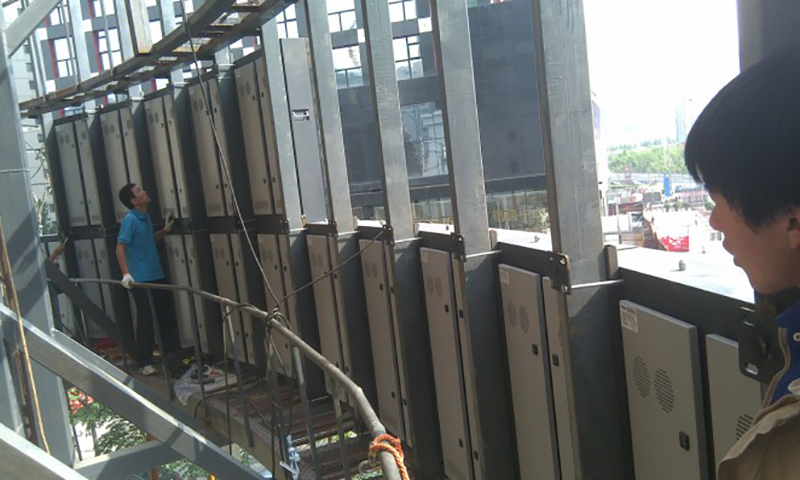
Wall-mounted installations are one of the most popular methods for outdoor LED displays, especially in urban environments where space is limited. This method involves attaching the display directly to a building's exterior wall. Its advantages are space efficiency, high visibility and structural support, utilizes the building's existing structure for stability.

 outdoor advertising led video wall

2. Ground-Supported Installation

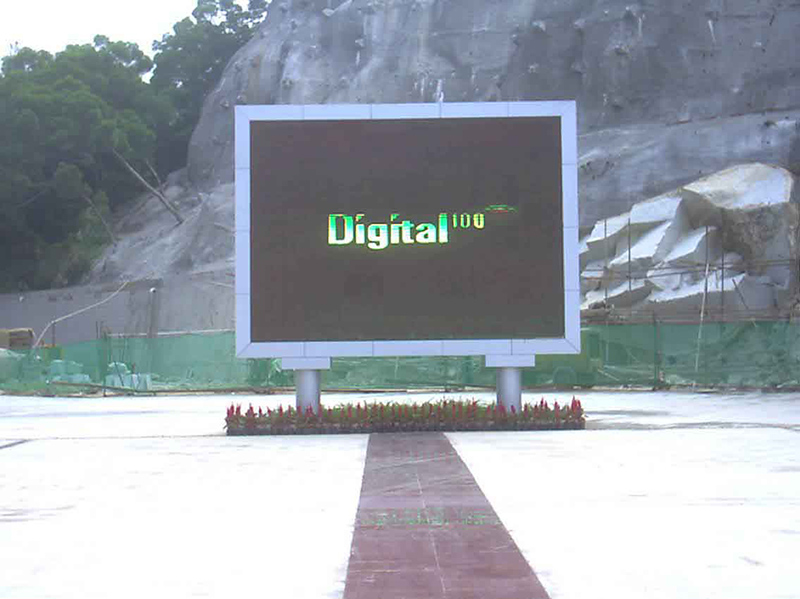
Ground-supported installations involve constructing a freestanding structure to support the LED display. This method is commonly used for large billboards or displays in open areas. Its advantages are flexibility, customization and scalability, this method suitable for large displays with high visibility.

 outdoor digital signs

3. Suspended Installation

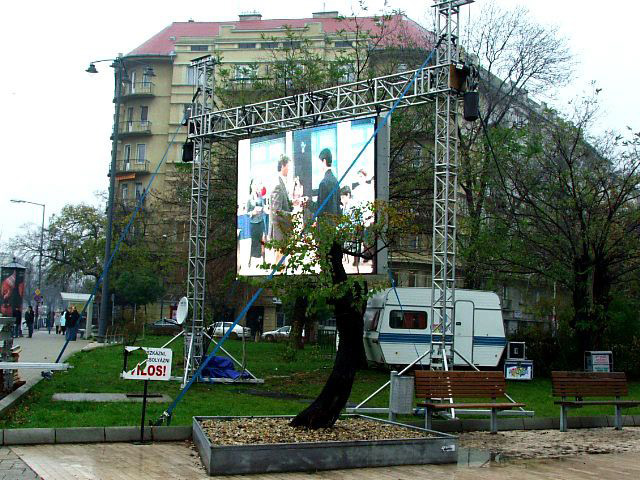
Suspended installations involve hanging the LED display from a ceiling or overhead structure. This method is often used for indoor-outdoor spaces, such as shopping malls, arenas, or event venues. Its advantages are aesthetic appeal, minimal ground footprint and dynamic viewing angles.

 outdoor events rental led wall

4. Mobile Installation

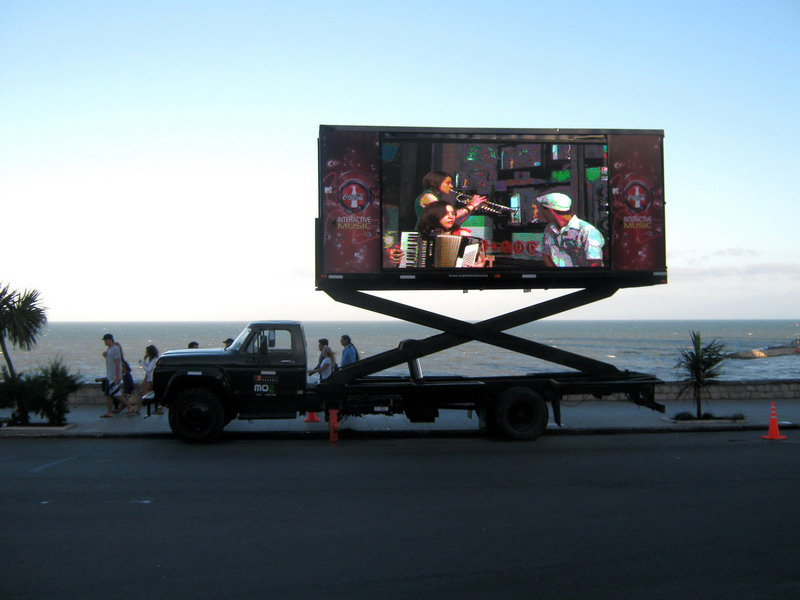
Mobile installations involve mounting the LED display on a trailer or vehicle, allowing it to be easily transported to different locations. This method is ideal for events, promotions, and temporary installations. Its advantages are portability, versatility and quick deployment.

outdoor full color mobile led signs

5. Modular Installation

Modular installations involve assembling the LED display from smaller, pre-fabricated modules. This method offers flexibility and customization, making it suitable for various sizes and shapes. Its advantages are Customization, ease of installation and Maintenance.


Conclusion

Choosing the right installation method for an outdoor LED display depends on several factors, including the display's size, location, and intended use. Whether opting for a wall-mounted, ground-supported, suspended, mobile, or modular installation, careful planning, and attention to detail are essential. By considering the advantages, challenges, with each method, you can ensure a successful installation that maximizes the display's performance and longevity.

Outdoor LED displays are powerful tools for advertising, event promotion, and public information dissemination. However, selecting the right one involves careful consideration of several key factors to ensure it meets your needs and performs reliably in various conditions. Here’s a comprehensive guide to help you make an informed decision.


1. Brightness and Viewing Distance

One of the most critical aspects of an outdoor LED display is its brightness. The display must be bright enough to be visible under direct sunlight. Typically, outdoor LED displays should have a brightness level over 4500 nits. Additionally, the viewing distance plays a significant role in determining the required brightness and resolution. For longer viewing distances, a higher brightness and larger pixel pitch are acceptable, while closer viewing distances require higher resolution and lower pixel pitch.


2. Weather Resistance and IP Rating

Outdoor LED displays are exposed to various weather conditions, so weather resistance is crucial. The IP (Ingress Protection) rating indicates the display’s resistance to dust and water. For outdoor use, an IP rating of at least IP65 is recommended to protect against dust, rain, and other environmental factors. Higher ratings like IP67 or IP68 offer even better protection for harsher conditions.


3. Pixel Pitch and Resolution

Pixel pitch refers to the distance between LED pixels. A smaller pixel pitch results in higher resolution and clearer images, which is ideal for close-up viewing. For outdoor displays, pixel pitches range from P2 to P10. The choice depends on the viewing distance: closer viewing requires smaller pixel pitches (e.g., P2 to P5), while distant viewing can accommodate larger pixel pitches (e.g., P6 to P10).


4. Viewing Angle

The viewing angle determines how well the display can be seen from different positions. A wider viewing angle ensures that more people can see the content clearly, even if they are not directly in front of the screen. This is particularly important for high-traffic areas where viewers may approach the display from various angles.


5. Energy Efficiency

Since outdoor LED displays often operate 24/7, energy efficiency is crucial for reducing operational costs. Modern LED displays with energy-saving features can significantly lower electricity consumption without compromising performance. Some displays also feature automatic brightness adjustment based on ambient light, further enhancing energy efficiency.


6. Remote Control and Automation

Remote control functionality allows you to manage the display content flexibly, update ads, and adjust brightness settings without physical access to the screen. Advanced models also offer real-time troubleshooting and maintenance, making display management more convenient and efficient.


7. Ease of Installation and Maintenance

Choosing an LED display that is easy to install and maintain can save time and reduce costs. Modular designs are particularly useful, as they allow for quick repairs and replacements of individual components. Additionally, lightweight and portable displays are ideal for temporary installations or mobile advertising.


8. Supplier and Support

Selecting a reliable supplier is just as important as choosing the right display. A good supplier should offer high-quality products, customization options, and comprehensive after-sales support, including installation guidance and maintenance services. Look for suppliers with a proven track record and positive customer reviews.


9. Budget Considerations

While budget is a significant factor, it’s essential to balance cost with quality and functionality. Investing in a high-quality display with the necessary features will provide better long-term value and reduce the need for frequent replacements. Consider the total cost of ownership, including initial investment, installation, maintenance, and energy consumption.


Conclusion

Choosing the right outdoor LED display involves evaluating your specific needs, considering the viewing environment, and selecting a reliable supplier. By focusing on key factors like brightness, weather resistance, pixel pitch, and energy efficiency, you can ensure that your display performs optimally and provides a strong return on investment.

According to Poison Control, approximately 3,300 cases of button battery ingestion are reported annually in the United States, with nearly two-thirds of these incidents involving children under the age of six. These situations are particularly hazardous, as 12.6% of children under six who ingested a button battery sized 20-25mm suffered severe complications or even death.


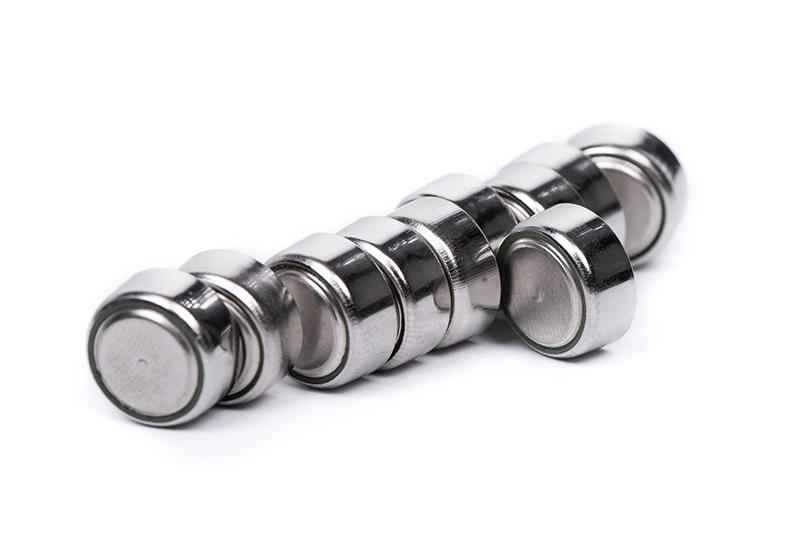
Button batteries pose significant dangers due to their small size and shape, which makes them prone to becoming lodged in the esophagus. Once lodged, they can cause harmful burns because they adhere to the esophageal lining. There are three primary mechanisms by which these batteries cause injury: first, by generating a current that produces hydroxide at the negative pole, leading to tissue damage; second, by leaking alkaline electrolytes; and third, by exerting pressure on the intestinal mucosa.


Button batteries for small electronic devices


If a battery ingestion is suspected, the initial and most crucial step is to assess the patient’s airway to ensure it is clear and that the battery has not been aspirated into the trachea. Once the airway is stabilized and there are no immediate signs indicating the need for surgical or gastrointestinal (GI) intervention, an X-ray should be performed to locate the battery. For children, this is typically done using a “baby-gram,” an X-ray from head to pelvis. If the battery is found in the esophagus, as seen in the X-ray example, a GI consult should be sought immediately to remove the battery via endoscopy and evaluate for any tissue damage. If the child shows symptoms such as chest pain, difficulty swallowing, vomiting, or abdominal pain, the battery should be removed immediately, regardless of its location.


Safety Tips for Parents:

- Always keep batteries out of reach of young children to prevent life-threatening incidents.

- Store devices powered by button batteries securely, as children may remove the batteries and swallow them.

- Use child-proofing measures or tape to secure batteries in devices, making them harder for children to access.

- If you suspect your child has swallowed a battery, even if you did not witness it, contact the National Battery Hotline at 202-625-3333 and immediately take your child to the nearest emergency room.

Rechargeable AA batteries are widely used in a variety of electronic devices, from everyday remote controls to professional digital cameras. In order to maximize the benefits of battery investment, it is particularly important to understand their lifespan and the factors that affect their lifespan. This article aims to analyze the types of rechargeable AA batteries, factors that affect their lifespan, average lifespan, and when to replace them.


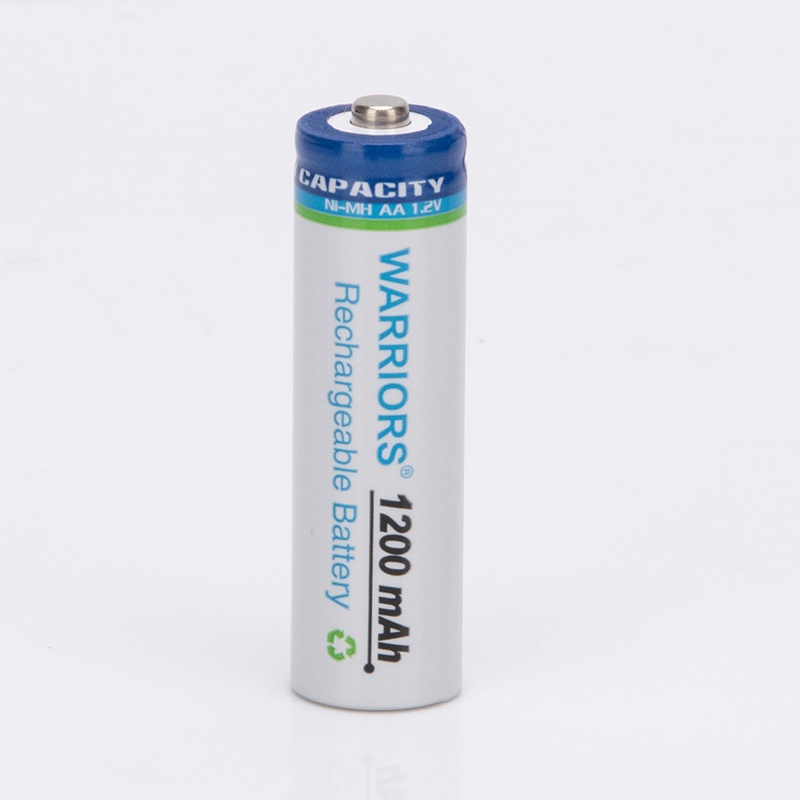
rechargeable AA batteries


1. Overview of rechargeable AA batteries and their types


Rechargeable AA batteries can be mainly divided into two categories based on their chemical composition: nickel metal hydride (NiMH) batteries and lithium batteries.


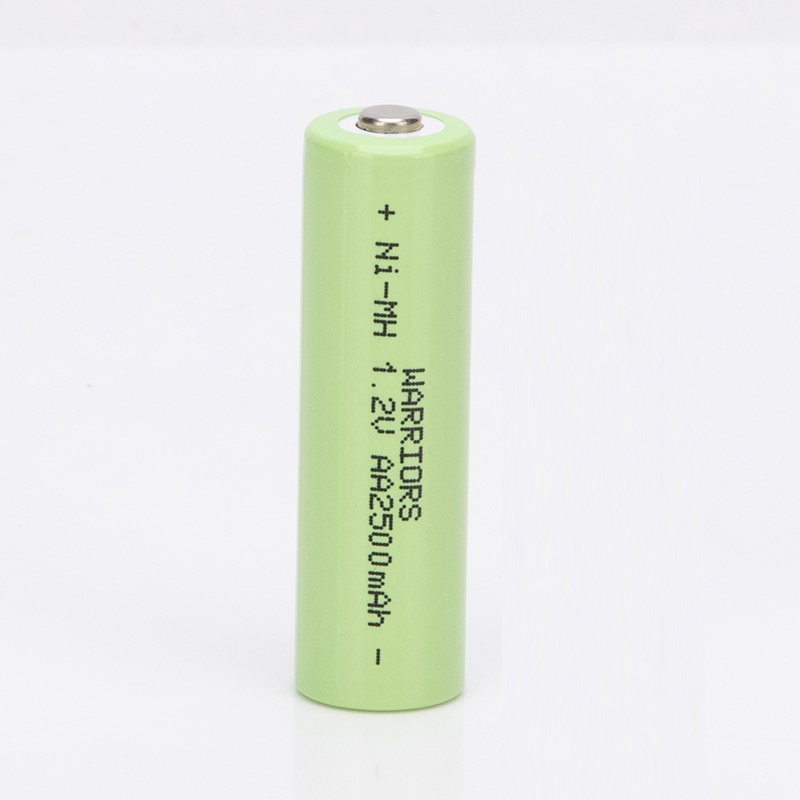
NiMH batteries: With their ability to be recharged multiple times (generally up to 500 to 1000 times), NiMH batteries have become the mainstream choice in the market. With a nominal voltage of 1.2V, they are known for their stable energy output, especially for high-energy devices such as cameras and game controllers. In addition, low self-discharge versions of NiMH batteries can also maintain power longer when idle.

Lithium batteries: Compared with NiMH batteries, lithium batteries usually provide a higher voltage of 1.5V and are known for their long life and low self-discharge rate. Lithium batteries can retain their charge for a long time even when not in use, so they are more suitable for devices that require long-term stable power supply.


2. Key factors affecting the life of AA rechargeable batteries


The life of rechargeable AA batteries is affected by many factors, mainly including battery quality, usage patterns, charging habits and storage conditions.


Battery quality: Batteries from high-quality brands (such as Eneloop,Warriors,Energizer) generally have longer life and better performance than ordinary brands. In the long run, choosing well-known brands can save costs.

Usage pattern: High-energy consumption devices (such as digital cameras) generally consume batteries faster than low-energy consumption devices (such as remote controls). Understanding the energy consumption of the device can help choose the right battery type.

Charging habits: Follow the manufacturer's charging guidelines and avoid overcharging or using incompatible chargers to extend battery life.

Storage conditions: Extreme temperatures have a negative impact on battery life. Batteries should be stored in a cool and dry place, away from direct sunlight, and stored at room temperature to help maintain performance.


rechargeable AA batteries


3. Average lifespan of rechargeable AA batteries?


Taking all of the above factors into account, the average lifespan of rechargeable AA batteries is between 2 and 10 years. The specific lifespan depends on the frequency and type of battery used.


Low usage: In rarely used devices (such as backup remote controls), the battery may be close to the upper limit of 10 years of service life.

High usage: Frequent use in high-energy devices such as digital cameras and game controllers may reduce the battery life to about 2 years.


4. When to replace rechargeable AA batteries


Knowing when to replace batteries is critical to maintaining device performance. The following situations indicate that the battery needs to be replaced:


Capacity reduction: The device's usage time after a single charge is significantly reduced, which usually means that the battery performance has been greatly reduced.

Physical damage: When abnormal conditions such as battery swelling and leakage are found, they should be replaced immediately to avoid potential danger or device damage.


In summary, understanding the type of rechargeable AA batteries, factors affecting lifespan, and replacement time are critical to maximizing battery benefits. Through proper use and storage, battery life can be extended and device performance can be improved.

Calculation method of LiFePO4 battery life


When measuring the life of a LiFePO4 battery, it is necessary to comprehensively consider the charging cycle, discharge depth and usage conditions. Specifically, the battery life is closely related to the following factors:

1. Number of charging cycles: The life of a LiFePO4 battery is usually based on the number of charging cycles. A complete charging cycle refers to the process of discharging a battery from a fully charged state to an empty state and then charging it back to a fully charged state. However, in actual use, the battery is rarely fully discharged, so the commonly used cycle depth is mostly 80%-90% of the battery capacity.


2. Battery quality: High-quality batteries, such as the Warriors brand, often have a charging cycle number that exceeds the 2,000 to 5,000 standard for ordinary batteries.


LiFePO4 battery


3. Depth of discharge (DoD): The depth of discharge has a significant impact on the battery life. Shallow discharge (such as 20%-80% of the power usage) helps to extend the battery life, while deep discharge (close to 100% of the power usage) will shorten the life.


4. Calculate Total Life Based on Charge Cycles: Here is a simple formula to calculate the life of a LiFePO4 battery based on charge cycles:

Battery Life = Total Charge Cycles / Average Daily Discharge Rate

Total Charge Cycles: The estimated number of charge cycles (e.g., 3000).

Average Daily Discharge Rate: How often the battery is discharged per day (e.g., 1 full discharge per day = 1 discharge).

Example: If your LiFePO4 battery is rated for 3000 charge cycles and you typically use it once a day, the battery can be expected to last about 3000 days or about 8 years.


5. Temperature and Environment: LiFePO4 batteries perform best in environments between 25°C and 35°C. Extreme temperatures accelerate battery aging and reduce the number of cycles it can cycle. If a battery is frequently exposed to extreme heat or cold, it can result in:

Loss of capacity over time.

Inner components degrade faster. To extend the life of a LiFePO4 battery, it is critical to operate the battery within the recommended temperature range.

However, if you reduce the DoD (for example, use only 30% of the battery per day), you can extend the battery life by 2-3 times. In this case, the battery life will be closer to 16 to 24 years.


Key factors affecting the life of LiFePO4 batteries


In addition to the charging cycle and discharge depth, temperature and battery management system are also important factors affecting the life of LiFePO4 batteries. High temperature will accelerate the chemical reaction inside the battery, resulting in a shortened life; while an effective BMS can control the voltage, current and temperature during the charging process, thereby extending the battery life.


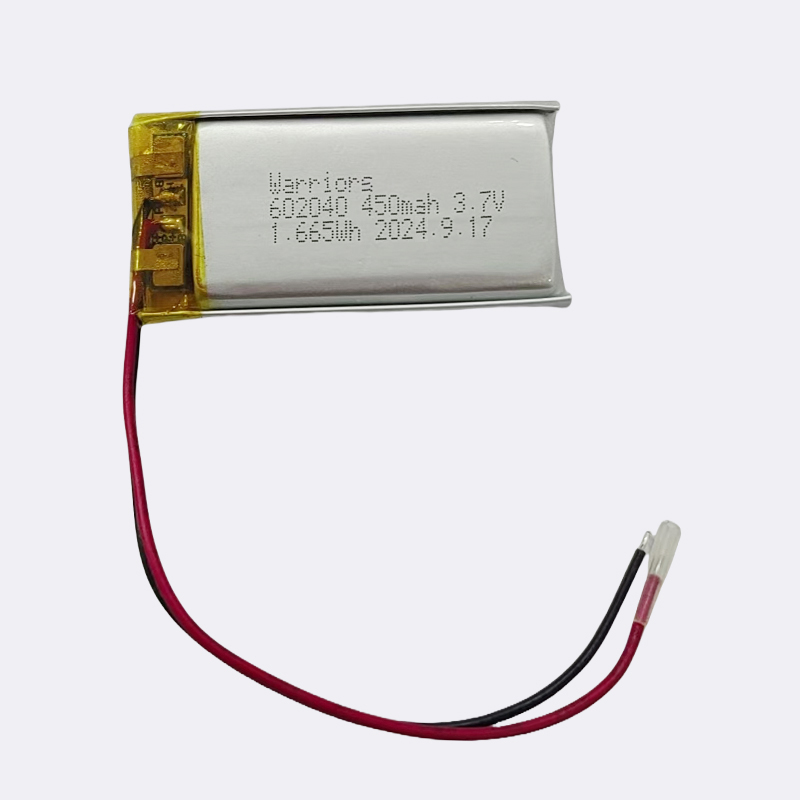
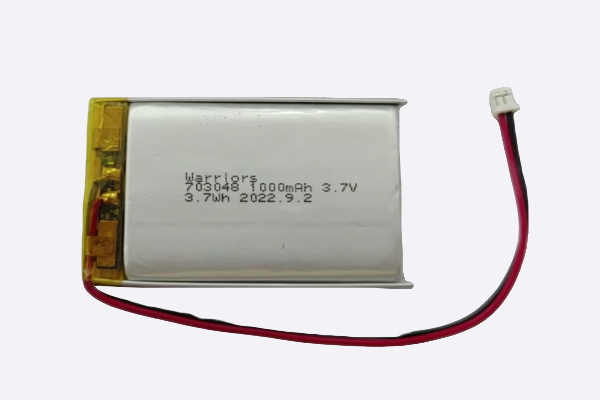
Polymer Lithium Battery


How to recognize when a LiFePO4 battery has reached the end of its life?


Significant capacity loss: The actual capacity of the battery has dropped by 20%-30% from the original capacity.

Unable to hold a charge: The battery loses charge quickly and cannot hold a charge for long.

Overheating: The battery becomes overheated during charging or discharging, indicating possible damage or degradation.

Reduced charging efficiency: Charging takes longer than usual and the battery is not fully charged.


Conclusion


In summary, LiFePO4 batteries offer an excellent lifespan, with an average lifespan of 10 to 15 years and up to 5,000 charge cycles. Key factors such as charge cycles, depth of discharge, temperature, and battery management all play a key role in determining battery lifespan. By properly managing these factors, you can significantly extend the lifespan of your LiFePO4 battery, making it a highly reliable energy storage solution for a wide range of applications.


For high-quality LiFePO4 battery solutions, Warriors Battery offers custom-designed batteries to meet your specific needs. Whether its electric vehicles, solar storage, or industrial applications, we offer the best solutions for maximum performance and lifespan.


For more information or to get started with a custom battery solution, contact Warriors Battery today.

The alkaline battery, which is widely used today, was invented in 1959. By the mid-1980s, the alkaline battery had surpassed the zinc-carbon battery as the most popular type of battery. Since its creation, billions and possibly trillions of alkaline batteries have been consumed worldwide. As early as 2009, it was estimated that 50 billion alkaline batteries were in circulation, with an average annual consumption of about 7 to 8 per person.
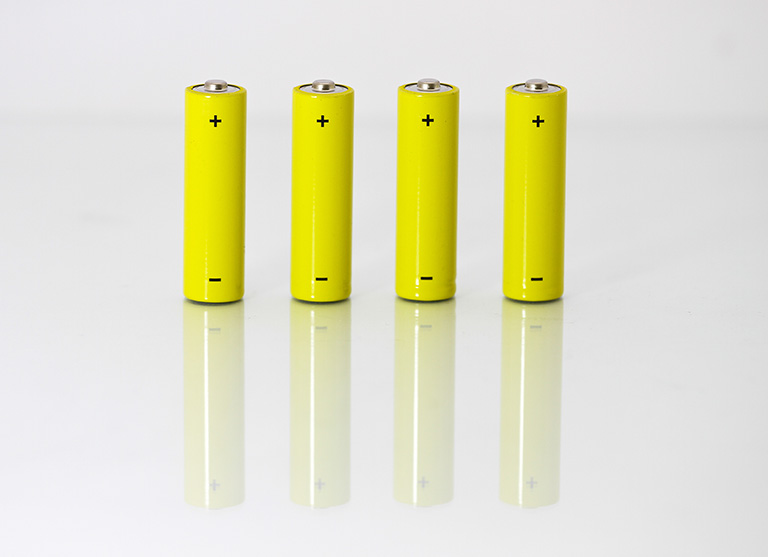
 

alkaline battery


The alkaline battery market has grown into a multi-billion dollar industry and is expected to continue to grow in the future. Despite competition from other battery chemistries, alkaline batteries have been able to succeed due to several unique advantages that alkaline chemistries offer.


So, what exactly are alkaline batteries?


Although many battery chemistries use alkaline electrolytes, alkaline batteries are generally referred to as alkaline zinc manganese dioxide primary cells. In alkaline batteries, the positive electrode (cathode) contains manganese (IV) oxide, while the negative electrode (anode) contains zinc.


The original alkaline battery was designed as a single-use primary cell, but as technology has continued to advance, rechargeable alkaline chemistries have now been developed.


Regarding the electrochemical principle of alkaline batteries, it produces electricity through a series of chemical reactions between the positive and negative electrodes. At the cathode, manganese (IV) oxide is converted into manganese (III) oxide and hydroxyl ions, which then react with zinc in the anode to release electrons to generate electricity. Here is a simple equation for an alkaline cell reaction:


Zn + 2MnO2+ H2O → ZnO +2MnOOH


In the above reaction, it can be seen that H2O (water) is used up. Subsequently, hydroxyl ions (OH-) are created by the MnO2cathode as shown in the reaction below: 

2MnO2+ 2H2O+ 2 e → 2MnOOH + 2OH- 


Also, the anode simultaneously uses up hydroxyl ions while creating water: 

Zn + 2OH- →ZnO +H2O + 2e 

Finally, the resultant electrons (e) from the reaction yield the power used for different kinds of gadgets or appliances.


Overview of alkaline battery specifications


In the alkaline battery market, the most common specifications include AAA, AA, D, C, N, 9V and button batteries. These diverse sizes meet the battery needs of different devices.
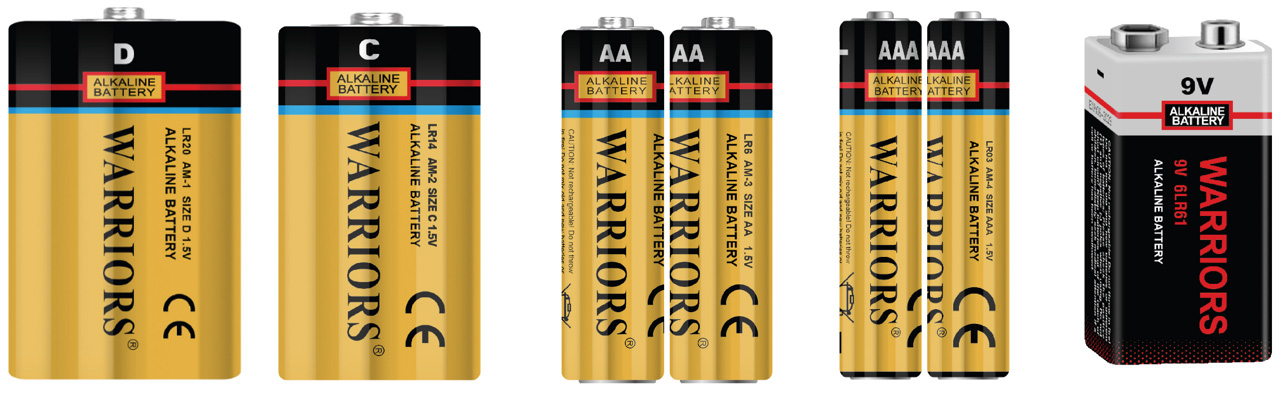
 

alkaline battery specifications


Why alkaline batteries are so popular?


Alkaline batteries surpassed zinc-carbon batteries many years ago and became the leader in the market. Even though new batteries such as nickel-cadmium, nickel-metal hydride and lithium-ion batteries are emerging, alkaline batteries still maintain a large market share. There are many reasons behind this.


🌱Excellent energy density

For users who pursue long-term battery life, alkaline batteries are undoubtedly the ideal choice. Compared with other types of batteries, alkaline batteries have the highest energy density, and their energy density can even be twice or more that of nickel-metal hydride and zinc-carbon batteries.


💰Affordable choice

Alkaline batteries are usually more advantageous in price, thanks to their lower production costs and relatively cheap chemical composition. Therefore, from the perspective of cost-effectiveness, alkaline batteries are undoubtedly the leader in the market.


❄️Excellent low temperature performance

When using alkaline batteries, users do not need to worry about device damage or performance degradation due to overheating. This is because alkaline chemicals generate less heat during operation, allowing alkaline batteries to maintain excellent performance even in low temperature environments.


📅 Longer shelf life

Shelf life is one of the important indicators of battery performance. For disposable alkaline batteries, the shelf life refers to the length of time they retain their charge when not in use; for rechargeable batteries, it refers to the length of time they retain their charge before they need to be recharged when not in use. The shelf life of alkaline batteries can be affected by a variety of factors, such as battery design, chemical composition, storage temperature and humidity. However, non-rechargeable alkaline batteries generally have a shelf life of up to 10 years, which is leading the industry.


🔧 Innovation in design

As consumers' demand for convenience continues to increase, battery packaging technology has also ushered in innovation. Traditional alkaline batteries are designed with a complex sealing system, including thick steel casings and end caps. However, these designs have been gradually replaced by thinner and more efficient packaging and sealing technologies. This not only provides additional space for battery components, thereby improving performance capacity, but also makes the battery lighter and easier to carry.


💉 Features suitable for potting

Since alkaline batteries have less temperature changes during operation and are not prone to gas generation, they are very suitable for potting. Potting is a process of filling a compound into a shell to improve the battery's resistance to shock and vibration while protecting it from substances such as solvents, corrosion and moisture.


📏 Diverse size options

Alkaline batteries are available in a variety of size options, which makes them easy to adapt to the needs of a variety of home, office and factory equipment. Whether it is a small remote control or a large power tool, you can find an alkaline battery of the right size.


🔌 Advantages of being used in series

Alkaline batteries can be used in series to produce higher voltage arrays, and they can also be arranged in different configurations to meet the needs of various uses. This flexibility allows alkaline batteries to perform well in a variety of application scenarios.


🌍Environmentally friendly and easy to handle

The main chemical components of alkaline batteries include low-toxic substances such as zinc, manganese and steel, so they pose less threat to human and environmental health. Since the 1990s, most alkaline batteries no longer contain hazardous substances such as mercury, which allows them to be disposed of like other household waste (provided that they comply with local environmental regulations).


🚫Excellent leak-proof performance

Although some people associate alkaline batteries with cracking and leaking, in fact, this situation can be completely avoided as long as you choose high-quality products from well-known manufacturers. There are many types of alkaline battery products on the market with different performances, so it is important to choose a product of reliable quality.


How to choose the most suitable alkaline battery?


Faced with a wide range of alkaline battery brands on the market, consumers often find it difficult to make a decision. However, alkaline battery brands that excel in leak protection, safety, shelf life, service life and other key qualities are undoubtedly trustworthy. For example, warriors brand high-performance alkaline batteries are made of high-quality raw materials and high-density battery technology, which can provide sufficient power for devices and extend service life. If you want to get the best service experience from alkaline batteries, then warriors is definitely a choice worth considering! Welcome to visit our official website for more details.



The hospitality industry continues to evolve, with technology playing a pivotal role in enhancing guest experiences and improving operational efficiency. One key advancement that has significantly transformed hotel operations is the use of RFID (Radio Frequency Identification) key cards. These cards are not just an upgrade from traditional magnetic stripe cards but offer enhanced security, convenience, and a more modern, eco-friendly approach to hotel room access. But with so many options available, which RFID card is best for your hotel?

Understanding RFID Hotel Cards
RFID technology uses electromagnetic fields to transfer data between a card and a reader, allowing for secure and convenient access to guest rooms without the need for physical keys. Unlike magnetic stripe cards, RFID cards are more durable, with a longer lifespan, as they are less prone to wear and tear from frequent use. Additionally, the contactless nature of RFID cards offers a faster, smoother check-in experience, increasing guest satisfaction.

When considering which RFID card is best for your hotel, it’s important to evaluate factors such as the level of security you need, the overall aesthetic of your property, and the kind of guest experience you want to offer.

Factors to Consider When Choosing RFID Hotel Cards
Durability and Material
RFID cards are available in a variety of materials, including PVC, paper, and eco-friendly options like wooden hotel key cards. If your hotel is focused on sustainability, wooden RFID cards offer an elegant, eco-conscious alternative that aligns with your values. For hotels that prioritize durability, standard PVC cards provide a long-lasting option, while also being versatile in terms of design.

Security Features
The best RFID card for your hotel should offer a high level of security. RFID cards are typically equipped with encrypted data that prevents unauthorized access, offering enhanced protection over traditional key systems. Some RFID cards even have additional layers of security, such as dual-frequency or multi-factor authentication, for high-end properties where guests’ safety and privacy are a top priority.

Ease of Integration
It’s important to consider how well the RFID cards will integrate with your existing hotel management software and property management systems (PMS). Many RFID solutions are designed to work seamlessly with modern PMS systems, allowing for smoother check-ins, check-outs, and room access management. Be sure to choose a supplier that offers flexibility and compatibility with your current setup.

Cost-Effectiveness
While RFID hotel cards can be a bit more expensive upfront compared to traditional magnetic stripe cards, their durability, ease of use, and security benefits often make them a more cost-effective option in the long run. If you’re managing a large hotel or a chain of properties, ordering bulk key cards for corporate hotels can provide significant cost savings while ensuring a consistent guest experience across multiple locations.

Personalization Features for RFID Hotel Cards
Personalization adds a special touch to RFID hotel cards, turning a simple access card into an integral part of your hotel’s branding. Guests enjoy the uniqueness of having personalized key cards, and this can also serve as a marketing tool for your hotel.

Custom Branding
One of the main benefits of RFID hotel cards is the ability to customize them with your hotel’s logo, colors, and branding. This is an excellent opportunity to reinforce your brand identity. Whether you run a luxury boutique hotel or a corporate business hotel, your RFID cards can reflect the style and vibe of your property, leaving a lasting impression on guests.

Guest Information
Personalizing RFID cards with guest information can enhance the guest experience. For example, the card could include the guest’s name, check-in/check-out dates, and other relevant details. Some hotels take this a step further by adding loyalty program details or room preferences directly to the card. This helps in creating a more personalized and seamless stay for each guest.

Unique Designs and Materials
While the most common material for RFID cards is PVC, some hotels opt for a more unique, eco-friendly approach by choosing wooden hotel key cards. These cards can be laser-engraved with intricate designs, providing an elegant, tactile experience for guests. Wooden cards are particularly popular among boutique hotels and resorts looking to stand out from the competition. Additionally, cards can be designed with special patterns, textures, or colors to reflect your hotel's unique theme.

Special Features for Premium Guests
For luxury hotels or VIP guests, offering premium personalization features such as custom engraving, holographic designs, or RFID cards with enhanced security features can elevate the guest experience. These personalized cards can also serve as a status symbol, contributing to a more exclusive feel during their stay.

Sustainability and Eco-Friendly Options
As sustainability becomes an increasingly important issue for consumers, eco-friendly RFID key cards are gaining popularity. Wooden hotel key cards not only offer a distinctive, luxurious feel but are also biodegradable and made from renewable resources. If your hotel emphasizes green initiatives, offering guests wooden cards can reinforce your commitment to environmental responsibility.

Ordering Bulk RFID Key Cards for Corporate Hotels
When ordering RFID key cards for corporate hotels, it’s crucial to consider bulk purchasing options to streamline the ordering process and reduce costs. Many RFID card suppliers offer discounts for large orders, making it a cost-effective solution for chains or properties with multiple locations. Ordering in bulk also ensures consistency in the guest experience, with all locations using the same high-quality, customized cards.

Working with a reputable supplier ensures that your hotel’s RFID cards are durable, secure, and tailored to your specific needs. Whether you’re looking for standard PVC cards, wooden key cards, or specialized designs, ordering in bulk can simplify the procurement process while maintaining a high standard of quality.

Final Thoughts
Choosing the right RFID card for your hotel involves considering your specific needs in terms of durability, security, and personalization. From wooden hotel key cards that align with eco-friendly values to customizable designs that reinforce your brand, RFID cards offer flexibility, enhanced guest experiences, and long-term benefits. When you’re ready to order bulk key cards for corporate hotels, partnering with a trusted supplier like OEM RFID Factory ensures that you’ll get the best quality, cost-effectiveness, and personalization options for your hotel.

In the ever-evolving world of theme parks, keeping track of guests efficiently is crucial for providing a smooth and enjoyable experience. One of the most effective ways to achieve this is through the use of RFID-enabled wristbands and cards. These technologies not only enhance guest convenience but also allow for seamless management of park operations, including entry, ride access, and personalized experiences. But when it comes to choosing the right frequency for tracking guests within the park, which one is optimal?


The frequency range of RFID systems is typically classified into three categories: Low Frequency (LF), High Frequency (HF), and Ultra High Frequency (UHF). For theme parks, UHF RFID-enabled wristbands or RFID-enabled cards are the best option due to their long-range capabilities, fast read speeds, and resistance to interference. UHF frequencies (860–960 MHz) allow for tracking over greater distances, ensuring that guests can be monitored accurately from various locations within the park without the need for close-range scanning.


These RFID technologies are especially beneficial in large-scale environments like theme parks, where real-time tracking is key. Custom RFID wristbands for events, for instance, can be easily adapted to any park’s specific needs, from managing crowd flow to enhancing the overall guest experience. The integration of RFID also opens the door for exciting innovations such as personalized interactions, loyalty programs, and contactless payment options.

Silicone Waterproof NFC Wristband

When selecting the right RFID-enabled wristbands or RFID-enabled cards for a theme park, it’s important to work with a supplier that offers high-quality and reliable products. This is where SHENZHEN ZHIJIE stands out. Their RFID-enabled cards are known for their durability and efficiency, providing consistent performance even in high-traffic areas. Beyond product quality, SHENZHEN ZHIJIE also offers excellent customer service, ensuring that each client receives tailored support, from product selection to installation and maintenance. Their expertise in providing custom solutions makes them a trusted partner for theme parks looking to implement RFID tracking systems with ease and efficiency.


In summary, UHF RFID technology is the ideal choice for tracking guests in a theme park, and SHENZHEN ZHIJIE offers the best RFID-enabled wristbands, cards, and customized solutions to meet the unique demands of this exciting industry. With their commitment to innovation and customer satisfaction, they are the perfect partner for any theme park looking to elevate its guest experience.

Application of LoRa Technology in Precision Agriculture


LoRa technology is a wireless communication technology that is gradually being widely applied in various fields. Among them, the application of LoRa technology in precision agriculture is also receiving increasing attention from agricultural producers. Precision agriculture refers to an agricultural production method that uses technological means to precisely control crop growth environment, fertilization and water use, pest and disease monitoring, etc., in order to improve farmland yield and efficiency. This article will delve into the application of LoRa technology in precision agriculture.


1、 Application of Wireless Sensor Networks in Agriculture

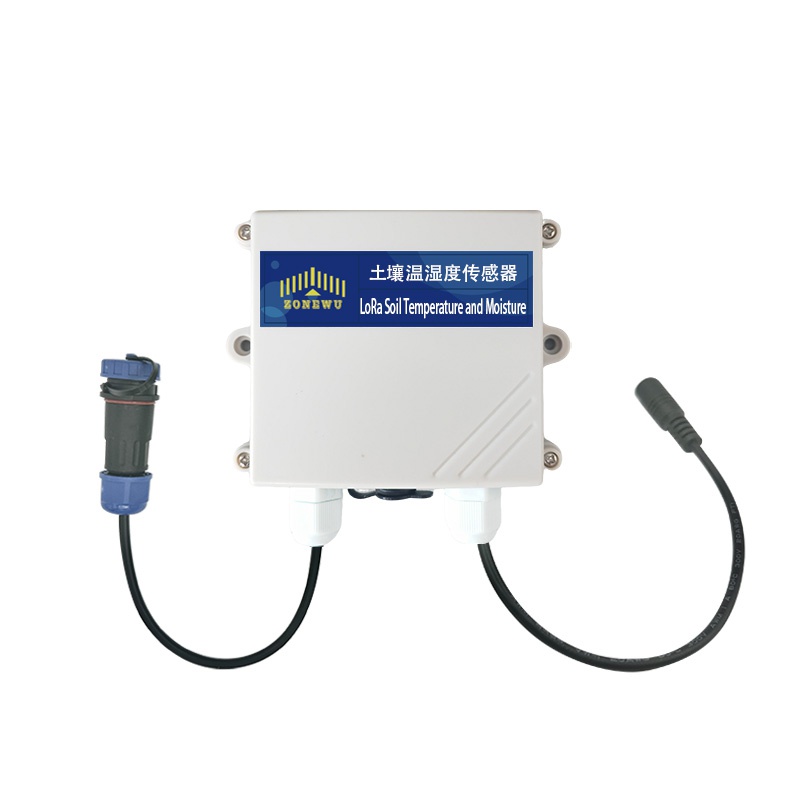
The core of precision agriculture lies in accurately obtaining and processing relevant information about farmland, such as soil moisture, temperature, light intensity, etc. Traditional agricultural data collection methods have many limitations, such as requiring manual collection, low efficiency using wired transmission methods, and being limited by the length and quantity of cables. The emergence of LoRa technology provides a new wireless sensor network method that can solve the problems of traditional methods.


LoRa technology is based on the characteristics of low power consumption, long distance, and wide area network, making wireless sensor networks possible. A large number of sensor nodes can be deployed in farmland, which can collect various environmental data in real-time and transmit it to the central processing server through LoRa network. The power consumption of sensor nodes is very low, and they can be powered by batteries, reducing the cost of manual maintenance. Long transmission distance means that sensor nodes can cover a wider range, making data collection more comprehensive.


2、 Application of LoRa Technology in Soil Moisture Monitoring

Soil moisture is one of the important indicators for crop growth. Early or excessive watering can affect crop growth and yield. By utilizing LoRa technology, multiple humidity sensor nodes can be deployed in the soil to monitor soil moisture in real-time at different locations.


The soil moisture data collected by the sensor nodes is transmitted to the central processing server through the LoRa network. Farmers can remotely access servers through their mobile phones or computers to check the soil moisture conditions at various locations, adjust irrigation amounts in a timely manner, avoid wasting water resources, and ensure the needs of crop growth. At the same time, the server will provide predictions and recommendations for soil moisture based on historical data and specific algorithms, helping farmers make more scientific decisions.


3、 Application of LoRa Technology in Meteorological Monitoring

The weather has a great impact on farmland, such as rainfall, sunshine duration, and other factors that can affect crop growth. Accurate meteorological monitoring can help farmers make better decisions and increase farmland yield.


Using LoRa technology, multiple meteorological sensor nodes can be deployed in farmland to monitor real-time meteorological data such as temperature, humidity, atmospheric pressure, etc. The sensor nodes transmit data to the central server through LoRa network, and farmers can obtain meteorological information of the farmland at any time through their mobile phones or computers. The server will provide predictions and suggestions based on meteorological data and professional algorithms, helping farmers make reasonable planting and disaster prevention decisions.


4、 Application of LoRa Technology in Fertilization Management of Farmland

Reasonable fertilization plays a crucial role in crop growth and yield. Excessive or insufficient fertilization can lead to poor crop growth or decreased yield. By utilizing LoRa technology, precise fertilization management of farmland can be achieved.


Sensor nodes can be installed in farmland to monitor the nutrient content of soil in real-time. The data collected by the sensors is transmitted to the central server through the LoRa network, and farmers can remotely view the nutrient content of their farmland through their mobile phones or computers. The server will provide corresponding fertilization suggestions based on nutrient data and crop needs, helping farmers apply fertilizers reasonably, increase crop yields, and reduce soil fertilizer waste.


The application of LoRa technology in precision agriculture is of great significance. Through wireless sensor networks, farmers can monitor the environmental information of farmland in real time, such as soil moisture, meteorological data, etc., and make scientific production management decisions through the central processing server's predictions and suggestions. This can not only increase the yield and efficiency of farmland, but also reduce resource waste and contribute to sustainable agricultural development. With the continuous development and improvement of LoRa technology, it is believed that more agricultural application scenarios will be explored, bringing more convenience and benefits to agricultural production.