Application of LoRaWAN in Water Quality Monitoring Industry

The application of LoRaWAN in the water quality monitoring industry is like a surging wave of technology, injecting a continuous stream of powerful power into water resource protection and management with unprecedented momentum, reshaping the ecological pattern of the entire industry.


Looking back on the past, the traditional water quality monitoring model was like a difficult 'protracted battle', relying heavily on manual sampling. The staff, like tireless "ascetics," regularly carry heavy sampling equipment and rush to scattered water sources in various corners. Whether it is winding rivers or tranquil lakes and reservoirs, they have left their arduous footprints. The human and material resources required for this process are enormous, like a bottomless' resource black hole '. What's even more tricky is that due to the long sampling intervals, it's like piecing together a complete picture with scattered puzzle pieces, making it impossible to accurately capture the real-time changes in water quality. Obtaining continuous data is even more difficult, as if exploring in the dark, full of uncertainty.


And LoRaWAN technology is like a ray of dawn breaking through the night sky, with its outstanding and extraordinary characteristics, boldly breaking this deadlock. With its stunning low-power advantage, monitoring devices are like "long-distance runners" with outstanding endurance, able to firmly root in remote areas for a long time without frequent battery replacement, and continue to stick to their posts. Its ultra long distance transmission capability is unparalleled, even in deep mountain lakes with complex terrain like a maze and heavily obstructed signals, or vast wetlands with few human footprints, data can smoothly "leap" through numerous obstacles like agile birds and reach the clouds.


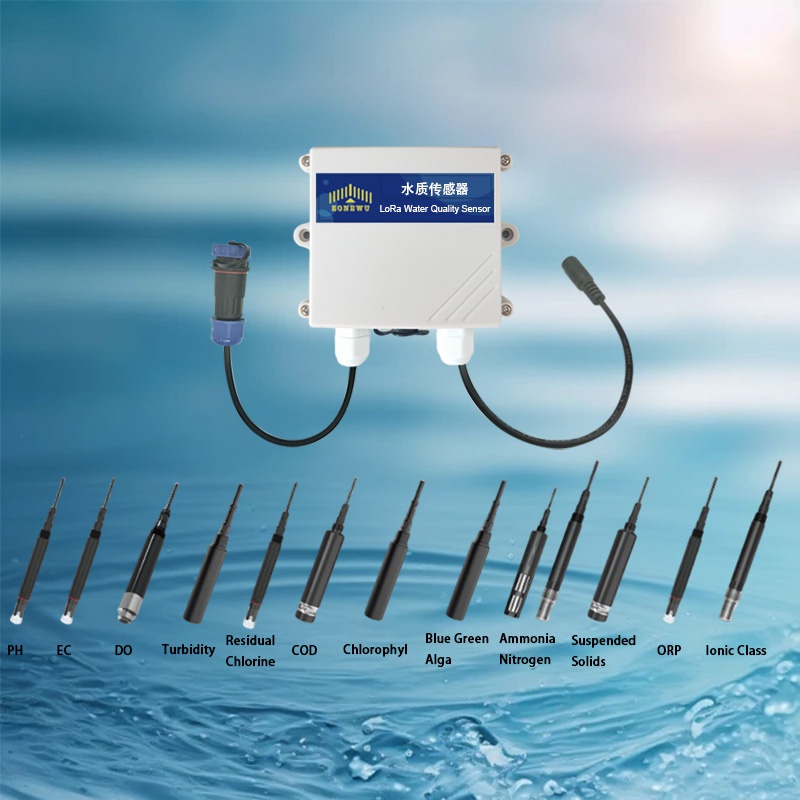
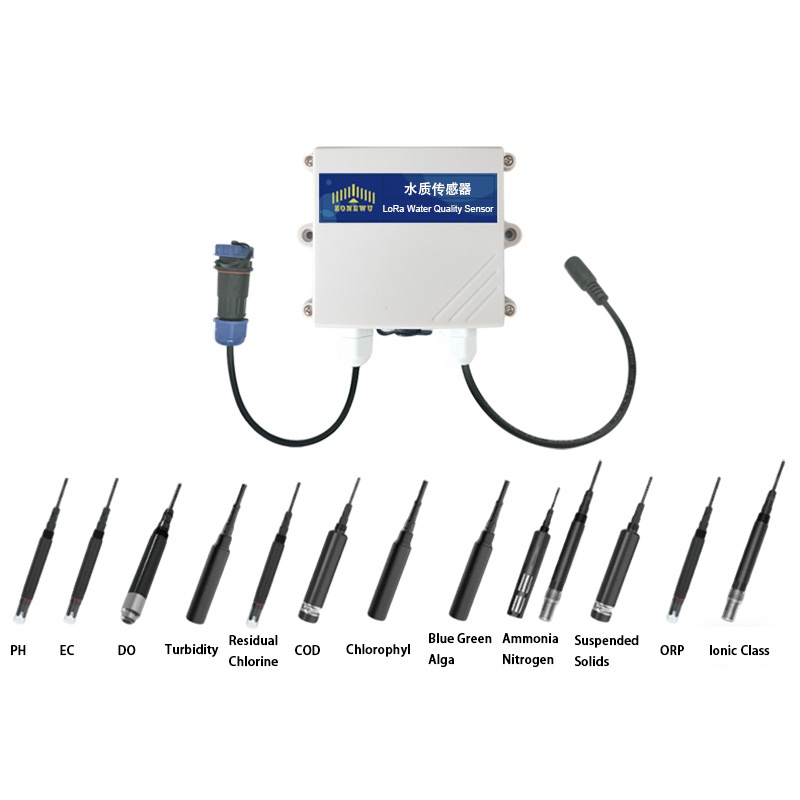
These water quality monitoring devices, carefully equipped with LoRaWAN modules, are like a group of well-trained and skilled "physical examination doctors", with a wide variety of built-in sensors. In addition to the well-known pH sensor, DO sensor, and ion selective sensor, there is also the magical sensor for monitoring water turbidity. It is like an expert with a "perspective eye", based on the principle of light scattering, it can accurately judge the fine condition of suspended particles in water and intuitively reflect the clarity of the water body; The sensor for monitoring ammonia nitrogen content should not be underestimated, as it plays a crucial role in measuring the degree of water pollution and eutrophication, like an accurate "judge", scoring the water quality status. Numerous sensors perform their respective duties and work together to collect water quality information from all angles without any blind spots.


With the help of LoRaWAN network, a "high-speed information channel" is built, and real-time collected data is instantly transmitted to cloud servers like lightning. After obtaining these valuable data, environmental researchers are like holding the key to unlocking a treasure trove of knowledge, able to deeply analyze the subtle trends of long-term changes in water quality, and carefully lay a solid data foundation for formulating forward-looking ecological restoration strategies; The water treatment plant relies on the water quality data at the inlet, like experienced bartenders, dynamically adjusting the purification process parameters to ensure that every drop of water flowing into residents' homes is safe and pure; Fishery farmers can easily swipe their mobile phone screens to view the water quality of the aquaculture area in real time, like hiring a caring "health guard" for the fish to prevent them from getting sick or dying due to deteriorating water quality in advance. When water quality unfortunately deteriorates and parameters become abnormal, the warning system acts like an alert "sentinel", quickly sounding the alarm. Relevant departments, based on the warning level, act like well-trained emergency forces, quickly allocate resources, trace the source of pollution with lightning speed, and decisively take emergency measures.


LoRaWAN also plays a pivotal role in the "hidden battlefield" of pipeline operation and maintenance, helping to build an intelligent pipeline system. It is like an "underground scout", monitoring the subtle changes in pressure and flow inside the sewage pipe in real time. With its "sharp eyes", it accurately locates the leakage point, greatly reducing the pollution risk caused by sewage leakage to soil and groundwater, and making great contributions to safeguarding the "lifeline" of urban underground.


In summary, LoRaWAN, with its unparalleled advantages, has enabled water quality monitoring to stride confidently onto a new track of intelligence and refinement, like a solid giant ship, safeguarding the sustainable development of the water environment and heading towards a better future.
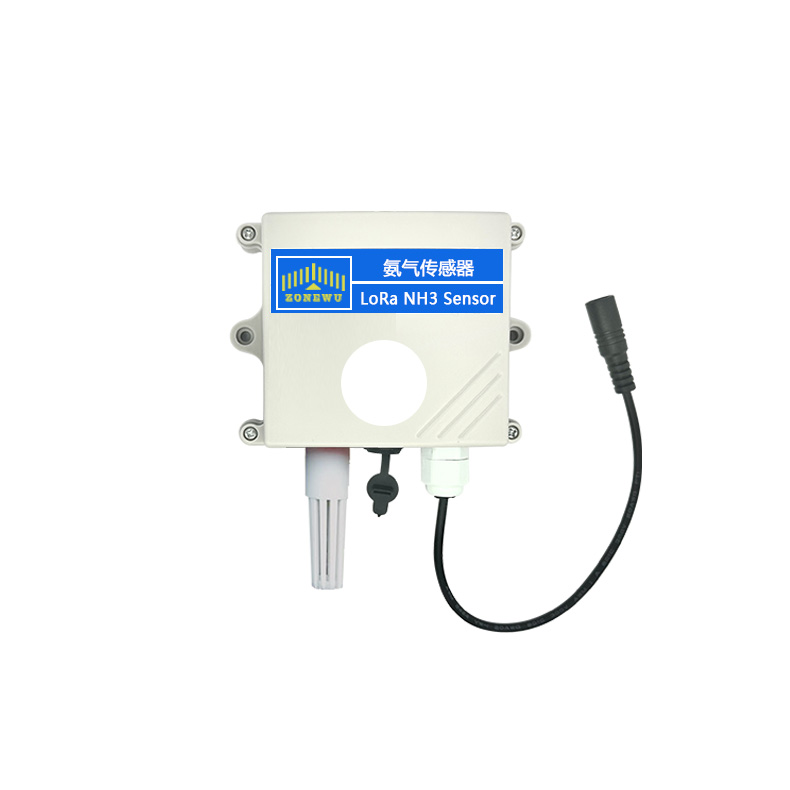
Ⅰ. Introduction

The LoRaWAN NH3 Sensor, an ammonia sensor based on LoRaWAN technology, plays a crucial role in multiple fields with its unique technical advantages. It can accurately detect the ammonia concentration in the environment and achieve efficient data transmission through the LoRaWAN network, providing strong support for the production and environmental monitoring of various industries.


Ⅱ. Application Scenarios

(Ⅰ) Agricultural Field

In livestock and poultry breeding, a large amount of animal excrement generates ammonia. Excessively high ammonia concentration not only affects the growth, development, and health of livestock and poultry, reducing breeding efficiency, but also may pollute the surrounding environment. LoRaWAN NH3 Sensors can be deployed in various areas of the farm to monitor the ammonia concentration in real - time. By receiving the data transmitted by the sensors, farmers can adjust the ventilation system in a timely manner to improve the breeding environment.


(Ⅱ) Industrial Waste Gas Treatment

During industrial production processes such as chemical engineering and pharmaceutical manufacturing, waste gas containing ammonia is produced. If it is directly discharged without effective treatment, it will cause serious pollution to the atmospheric environment. Installing LoRaWAN NH3 Sensors in waste gas discharge pipelines and treatment equipment can monitor the ammonia concentration in real - time, providing data basis for the optimization of waste gas treatment processes and ensuring that waste gas is discharged up to standard.


(Ⅲ) Environmental Monitoring

In urban environmental monitoring and ecological reserve monitoring, ammonia is one of the important monitoring indicators. LoRaWAN NH3 Sensors can form a distributed monitoring network, covering different areas of the city and ecologically sensitive areas. By monitoring the ammonia concentration in the environment, it helps to understand the air pollution situation and evaluate the impact of industrial activities and agricultural non - point source pollution on the environment.


Ⅲ. Functional Characteristics

  • High - Sensitivity Detection

It can accurately detect extremely low concentrations of ammonia. Even slight changes at the ppm level can be accurately sensed, ensuring that even the slightest fluctuations in the ammonia concentration in the environment can be detected in a timely manner.


  • Remote Data Transmission

With the long - distance transmission characteristics of LoRaWAN technology, the sensor can transmit the detected ammonia concentration data to a gateway several kilometers away without complex wiring. Then, the data is uploaded to the server by the gateway, facilitating users to remotely obtain data.


  • Low - Power Operation

It adopts a low - power design with a long battery life, reducing the trouble and cost of frequent battery replacement. This is especially suitable for remote areas or places that are difficult to maintain.


  • Real - Time Alarm Function

When the detected ammonia concentration exceeds the preset safety threshold, the sensor will immediately send alarm information to relevant personnel through the network, so that timely countermeasures can be taken to avoid potential hazards.


With its outstanding performance in different application scenarios and powerful functions, the LoRaWAN NH3 Sensor has broad application prospects in agriculture, industry, environmental monitoring and other fields, and is of great significance for improving production efficiency and protecting the environment.

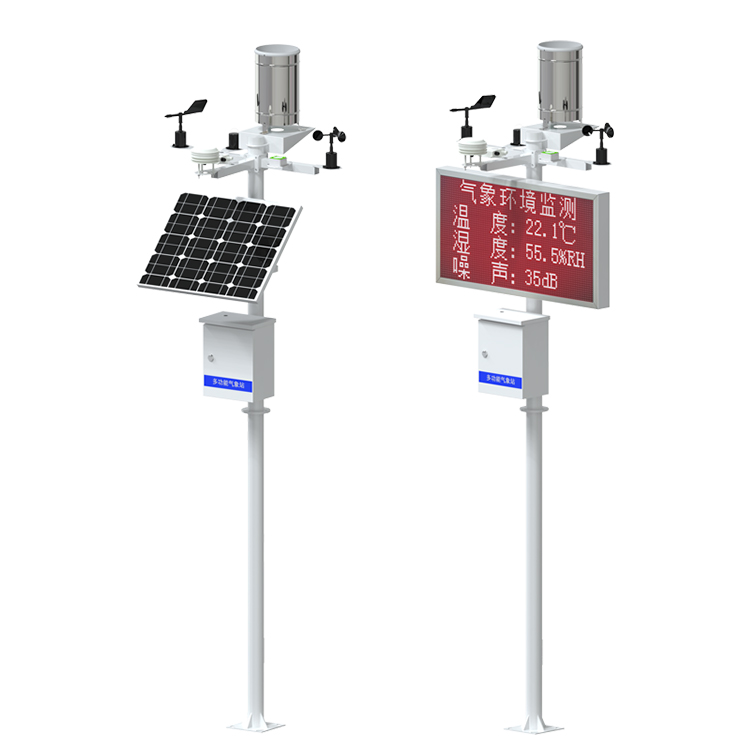
In the development of smart agriculture, agricultural weather stations play a crucial role, and the various sensors within them are the core components. These sensors each perform their own functions, providing accurate data support for agricultural production, assisting farmers in making scientific decisions, and achieving high - quality and high - yield crops.


Temperature and Humidity Sensors

Temperature and humidity are important environmental factors affecting crop growth. Temperature and humidity sensors can monitor the temperature and relative humidity in the atmosphere in real - time. They mainly sense temperature changes through thermistors or thermocouples and measure humidity using capacitive or resistive humidity - sensitive elements. In agricultural production, different crops have specific requirements for temperature and humidity at each growth stage. For example, during the seedling stage, vegetables are generally suitable for a temperature range of 20 - 25°C and a relative humidity of 60% - 70%. Temperature and humidity sensors can help farmers understand the temperature and humidity conditions in a timely manner. When the temperature and humidity deviate from the appropriate range, farmers can take measures such as turning on ventilation equipment, using sunshade nets, or irrigation to regulate the environment for crops.


Light Sensors

Light is the energy source for plants to carry out photosynthesis. Light sensors measure the light intensity by converting it into an electrical signal through photosensitive elements. In protected agriculture, light sensors are particularly important. When used in greenhouse cultivation, they can monitor the indoor light intensity. When the light is insufficient, the supplementary lights are automatically turned on to ensure that plants have enough light for photosynthesis, promoting plant growth and development and improving crop yield and quality. For light - loving crops such as sunflowers, sufficient light can promote better flowering and fruiting, and light sensors can help growers precisely control the light conditions.


Wind Speed and Direction Sensors

Wind speed and direction affect the air circulation, heat exchange, and the spread of pests and diseases in farmland. Wind speed sensors generally measure wind speed by the rotation speed of wind cups or propellers, and wind direction sensors determine the wind direction through wind vanes. In agricultural production, understanding wind speed and direction helps to arrange agricultural activities reasonably. For example, when spraying pesticides, adjusting the parameters and operation direction of the spraying equipment according to the wind speed and direction can prevent pesticide drift from polluting the surrounding environment and ensure that the pesticides evenly cover the crops, improving the control effect. In addition, strong winds may cause mechanical damage to crops. Knowing the wind speed and direction in advance allows farmers to take wind - proof measures in time, such as strengthening greenhouses and setting up wind - proof barriers.


Soil Moisture Sensors

Soil moisture is directly related to the water supply of crops. Soil moisture sensors determine the soil water content by measuring the dielectric constant of the soil. It can provide real - time feedback on the dry - wet degree of the soil, helping farmers accurately judge when to irrigate and the amount of irrigation. Different crops have different requirements for soil moisture. For example, rice needs to maintain a relatively high soil moisture during its growth process, while drought - tolerant crops such as sweet potatoes have relatively lower requirements for soil moisture. Using soil moisture sensors, farmers can achieve precise irrigation, avoiding both water waste and soil compaction caused by over - irrigation, and preventing crop growth from being affected by water shortage.


Rainfall Sensors

Rainfall sensors are used to measure the amount of rainfall. Common rainfall sensors include tipping - bucket type and siphon type. Rainfall is crucial for agricultural production as it affects the water balance in farmland and irrigation arrangements. In arid areas, accurately grasping the rainfall can help farmers make rational use of rainwater resources and adjust the irrigation plan. In flood - prone areas, real - time monitoring of rainfall can provide early warning of flood disasters, allowing farmers to take drainage measures in time to protect crops from waterlogging.


The various sensors in agricultural weather stations are like the "clairvoyance" and "clairaudience" of farmers. They work together to comprehensively monitor the agricultural production environment, providing a scientific basis for agricultural production. With the continuous progress of technology, these sensors will become more accurate and intelligent, injecting strong impetus into the development of smart agriculture and helping agriculture achieve sustainable development.

I. Introduction

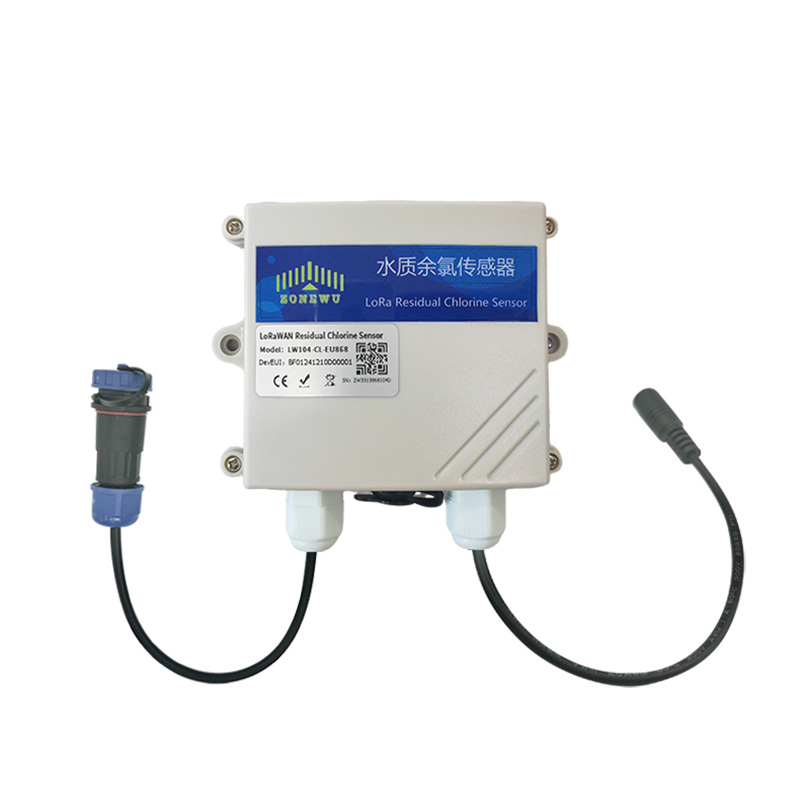
In the field of water quality monitoring, the residual chlorine content is one of the key indicators for measuring water quality safety. The emergence of LoRaWAN water residual chlorine sensors provides an efficient solution for real - time and accurate monitoring of water residual chlorine. Combining advanced sensor technology with LoRaWAN low - power wide - area network technology, it enables remote and stable data transmission and is widely used in multiple industries. Among them, ZONEWU's LoRa water quality residual chlorine sensor stands out in the market with its unique advantages.


II. Working Principle

LoRaWAN water residual chlorine sensors mainly work based on the electrochemical principle. When a water sample containing residual chlorine comes into contact with the sensor's sensing electrode, a specific electrochemical reaction occurs, generating an electrical signal proportional to the residual chlorine concentration. The circuit inside the sensor amplifies, converts, and processes this weak electrical signal, ultimately obtaining data that can accurately reflect the residual chlorine content. Subsequently, with the help of LoRaWAN technology, these data are transmitted wirelessly to a nearby gateway, and then uploaded by the gateway to a server for further analysis and storage. ZONEWU's products also follow this principle and have been optimized for signal processing and transmission stability.


III. Characteristics of ZONEWU's LoRa water quality residual chlorine sensor

1.High - Precision Sensing Elements: High - quality imported sensing elements are used, and the detection accuracy of residual chlorine concentration can reach ±0.01ppm, far exceeding the industry average, and can provide users with more accurate water quality data.

2.Intelligent Calibration Function: The sensor has an automatic calibration function and can regularly self - calibrate the detected data to reduce errors caused by long - term use and ensure that the data always remains highly accurate.

3.High Protection Level: The product shell is made of high - strength corrosion - resistant materials, and the protection level reaches IP68. It can work stably underwater for a long time and is not afraid of harsh water quality environments and complex installation conditions.

4.Flexible Networking: It supports a variety of LoRaWAN network protocols and can be easily docked with various gateways and upper - computer systems to achieve rapid networking and data interaction, meeting the diverse needs of different users.


IV. Functional Features

1.High Sensitivity and Accuracy: It can accurately detect extremely small changes in residual chlorine and can detect residual chlorine concentrations at the ppb level, ensuring the accuracy of water quality monitoring and promptly detecting water quality anomalies. The sensors of Xiamen Zhongwu Zhilian perform particularly well in this regard. Their high - precision sensing elements and intelligent calibration functions further guarantee the accuracy of the data.

2.Low - Power Design: Energy - saving technologies are adopted, enabling the sensor to consume only a small amount of power during long - term operation. After a single battery replacement, it can work continuously for several years, reducing maintenance costs and frequencies. ZONEWU's sensors perform particularly well in this regard, with high-precision sensing elements and intelligent calibration capabilities further ensuring the accuracy of data.

3.Long - Distance Transmission: LoRaWAN technology endows the sensor with long - distance transmission capabilities, and the transmission distance can reach several kilometers, making it suitable for water quality monitoring in large - area water bodies or remote areas. The products of this company can reach a maximum transmission distance of 5 kilometers in an open environment, effectively solving the monitoring problems in remote areas.

4.Real - Time Data Transmission: The detected residual chlorine data can be sent out in real - time. Relevant personnel can view the latest water quality data at any time through terminal devices such as mobile phones and computers, so as to take timely measures to respond to water quality changes. Its supporting Internet of Things platform can achieve second - level data transmission and real - time display.

Strong Stability: It has good anti - interference ability and can still work stably in complex water quality and electromagnetic environments, ensuring the reliability of the data. With a sturdy shell and advanced anti - interference circuits, the sensors of ZONEWU can operate stably in various harsh environments.


V. Application Scenarios

  • Drinking Water Treatment and Supply: In water treatment plants and secondary water supply facilities, the residual chlorine content is monitored in real - time to ensure that drinking water meets health standards and to safeguard the drinking water safety of residents. ZONEWU's sensors have been successfully applied in water treatment plants in multiple cities, effectively improving the efficiency and accuracy of water quality monitoring.
  • Swimming Pool Water Quality Monitoring: The residual chlorine concentration in swimming pool water is precisely controlled, which can not only effectively sterilize and disinfect but also avoid excessive residual chlorine from harming the human body, providing a safe and comfortable swimming environment for swimmers. Many large - scale swimming pools have adopted the products of this company to achieve real - time monitoring and intelligent management of swimming pool water quality.
  • Aquaculture: Monitor the residual chlorine content in aquaculture water bodies to prevent excessive residual chlorine from poisoning aquatic organisms, maintain a good aquaculture ecological environment, and improve aquaculture efficiency. After a large - scale aquaculture base used it, the aquaculture survival rate increased by 20% due to timely adjustment of the residual chlorine content.
  • Industrial Recirculating Water Systems: In industrial recirculating water systems in industries such as power and chemical engineering, monitor the residual chlorine content to prevent the growth of microorganisms in the water from causing pipeline corrosion and equipment failures and to ensure the normal operation of industrial production. After a certain chemical enterprise applied it, the pipeline maintenance cost was reduced by 30%.


LoRaWAN water residual chlorine sensors play an important role in multiple fields with their unique functional features, providing strong support for ensuring water quality safety and optimizing production processes. ZONEWU's products have become the trusted choice of many users due to their excellent performance and reliable quality. With the continuous development of technology, the application prospects of LoRaWAN water residual chlorine sensors will be even broader.

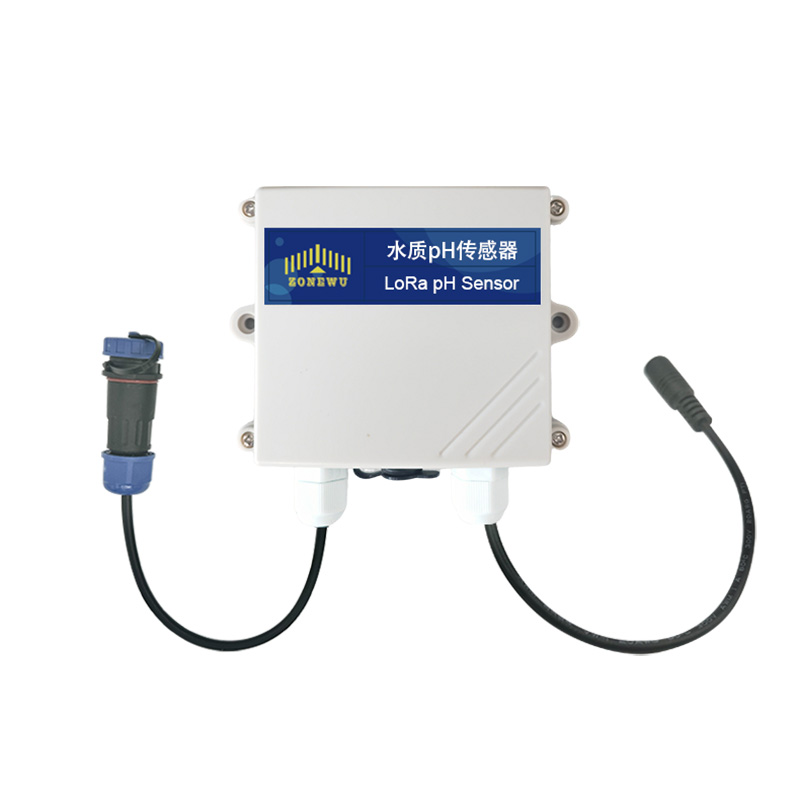
With the rapid development of the Internet of Things (IoT) technology, LoRaWAN, as a low-power wide-area network (LPWAN) communication technology, has found widespread application in the field of environmental monitoring. Water quality PH sensors, as an important part of environmental monitoring, enable remote, real-time, and low-cost water quality monitoring through the LoRaWAN network, providing strong technical support for environmental protection and water resource management. This article will focus on introducing ZONEWU's LoRaWAN water quality PH sensor.

Application Background

The PH value of water quality is a crucial indicator for measuring the acidity or alkalinity of water bodies, which is of great significance for agricultural irrigation, industrial water use, aquaculture, and drinking water safety. Traditional water quality monitoring methods require manual sampling and laboratory analysis, which is not only time-consuming and labor-intensive but also unable to achieve continuous monitoring. The emergence of LoRaWAN water quality PH sensors has effectively addressed this issue.


Introduction to ZONEWU LoRaWAN Water Quality PH Sensor

As a leading enterprise in the IoT field, ZONEWU's LoRaWAN water quality PH sensor enjoys high recognition and popularity in the market. In addition to possessing basic functions such as high-precision measurement, LoRaWAN communication technology, real-time data transmission, long-term stable operation, waterproof and moisture-proof design, and easy installation and maintenance, this sensor also offers the following unique advantages:


1. High-Precision Measurement and Automatic Calibration

ZONEWU's LoRaWAN water quality PH sensor adopts advanced PH electrodes and automatic calibration technology to accurately measure the acidity or alkalinity of water bodies with minimal error. The sensor integrates an automatic calibration function that automatically adjusts measurement parameters based on environmental changes to ensure the accuracy of measurement results.


2. Remote Monitoring and Management

Users can remotely monitor the operating status and data changes of the sensor through the LoRaWAN network. ZONEWU provides a cloud management platform that supports data visualization, historical data inquiry, alarm settings, and other functions, enabling users to grasp water quality conditions at any time and take timely measures.


3. Low-Power Design

The sensor adopts a low-power circuit design and配合the low data transmission frequency of LoRaWAN technology, enabling the sensor to operate stably for an extended period without battery replacement. This significantly reduces maintenance costs and enhances the practicality of the sensor.


4. Waterproof, Moisture-Proof, and Corrosion-Resistant

For outdoor and underwater environments, ZONEWU's LoRaWAN water quality PH sensor offers excellent waterproof and moisture-proof performance as well as corrosion resistance. The sensor's housing is made of high-strength, corrosion-resistant materials to ensure that the device can operate normally in harsh environments.


Functional Introduction


1. Real-Time Monitoring

The sensor can monitor water quality PH values in real-time and transmit data to the cloud server via the LoRaWAN network. Users can view data in real-time through PCs or mobile devices to stay informed about water quality conditions.


2. Historical Data Inquiry

ZONEWU's cloud management platform supports historical data inquiry functionality. Users can view trends in water quality PH values over a past period, providing data support for water quality management.


3. Alarm Settings

Users can set alarm thresholds on the cloud management platform. When the water quality PH value exceeds the set threshold, the system will automatically trigger an alarm to remind users to take timely measures.


Application Areas


1. Agricultural Irrigation

In the field of agricultural irrigation, ZONEWU's LoRaWAN water quality PH sensor can monitor the acidity or alkalinity of irrigation water, guiding farmers to apply fertilizers reasonably, thereby improving crop yield and quality.


2. Industrial Water Use

During industrial production processes, there are strict requirements for the acidity or alkalinity of water. The sensor can monitor the PH value of industrial water in real-time to ensure production safety and product quality.


3. Aquaculture

In aquaculture, the PH value of water quality is crucial for the growth of fish and other aquatic organisms. Through real-time monitoring, water quality can be adjusted in a timely manner to provide a good growth environment for aquatic organisms.


4. Drinking Water Safety

The PH value of drinking water directly affects people's health. The sensor can be deployed in water treatment plants or water supply networks to monitor water quality in real-time and ensure drinking water safety.


ZONEWU's LoRaWAN water quality PH sensor, with its unique advantages such as high-precision measurement, remote monitoring and management, low-power design, and waterproof, moisture-proof, and corrosion-resistant properties, demonstrates huge application potential in the field of water quality monitoring. Through real-time, remote, and low-cost monitoring, it provides new solutions for water resource management, contributing to the sustainable utilization of water resources and environmental protection. With continuous technological advancements and expanding applications, ZONEWU's LoRaWAN water quality PH sensor will play an increasingly important role in the future.


The LoRaWAN water quality dissolved oxygen sensor is a device used to measure the content of dissolved oxygen in water and transmit data through LoRaWAN wireless communication technology. The following provides a detailed introduction:


Operational Principle 

  • Polar method: sensor head with gold material cathode and silver anode, applied voltage between the two poles, the electrode cavity, filled with electrolyte, permeability membrane will separate the electrolyte and water samples, oxygen molecules through the membrane into the sensor, in the cathode is reduced, the current is proportional to the oxygen pressure, current value processed by the transmitter and display as oxygen concentration or percentage saturation.
  • Fluorescence: optical oxygen sensor is equipped with LED light source, detector and membrane cap with fluorescent coating. The fluorescent coating oxygen molecules and oxygen pressure in the measured medium, coating marker molecules by LED light source excitation red fluorescence, oxygen molecules will weaken the fluorescence intensity and shorten the luminous time, the detector receives fluorescence extinguish light signal, the higher the oxygen content in the medium, the shorter the fluorescence time, the lower the oxygen content, the longer the luminous time.


Characteristic 

  • Low power consumption: using LoRaWAN communication technology, with the characteristics of low power consumption, can use battery power supply, suitable for the field, remote areas or places without mains power supply for long-term monitoring.
  • Long-distance transmission: LoRaWAN technology has a long transmission distance, and the communication distance can reach several kilometers or even farther in open areas, which can realize the distributed monitoring of a large area of water.
  • Strong anti-interference ability: it has a good resistance to electromagnetic interference in the water environment to ensure the stability and accuracy of data transmission.
  • Easy to deploy: no need to lay complex communication lines, easy to install, can quickly build water quality monitoring network.


Application Area 

  • Aquaculture: real-time monitoring of dissolved oxygen content in aquaculture water, timely detection of hypoxia, to avoid fish death due to hypoxia, improve aquaculture efficiency.
  • Environmental monitoring: used for water quality monitoring of rivers, lakes and oceans, understand the ecological status of water bodies, and rovide data support for environmental protection and water resources management.
  • Industrial wastewater treatment: monitoring the dissolved oxygen content in industrial wastewater can help to optimize the wastewater treatment process, improve the treatment efficiency, and ensure the standard discharge.


The Promises and Challenges of IoT Sensors


The Internet of Things (IoT) has been revolutionizing various industries, and IoT sensors play a crucial role in this transformation. These sensors are designed to collect data from the physical environment and transmit it to other devices or systems for further analysis and action.


One of the significant related issues of IoT sensors is data security and privacy. As sensors gather sensitive information about individuals, businesses, and infrastructure, protecting this data from unauthorized access and malicious attacks is of utmost importance. Hackers may attempt to intercept the data transmitted by sensors, which could lead to serious consequences such as identity theft, industrial espionage, or even endangerment of lives in critical systems like healthcare and transportation. Manufacturers and developers need to implement robust encryption techniques and authentication protocols to safeguard the integrity and confidentiality of the data.


Another concern is the interoperability of IoT sensors. With a vast array of sensor types and manufacturers in the market, ensuring that different sensors can communicate and work together seamlessly is a challenge. Standardization efforts are underway to establish common communication protocols and data formats, but there is still a long way to go. Lack of interoperability can limit the scalability and effectiveness of IoT applications, as it becomes difficult to integrate sensors from multiple sources into a unified system.


Power consumption is also a critical issue. Many IoT sensors are battery-powered, and their limited energy resources pose a constraint on their operation. Sensor designers are constantly striving to develop low-power consumption technologies and energy-efficient algorithms to extend the battery life of these devices. This is especially important for applications where replacing batteries frequently is impractical or costly, such as in remote or inaccessible locations.


The accuracy and reliability of IoT sensors are essential for the quality of the data they provide. Environmental factors, sensor drift, and calibration errors can affect the precision of the measurements. Regular calibration and maintenance procedures are necessary to ensure the sensors deliver accurate and consistent data over time. In some applications, such as in industrial control systems or scientific research, even a small error in sensor readings can lead to significant operational problems or incorrect conclusions.


Moreover, the management and governance of IoT sensors are complex. As the number of sensors deployed continues to grow exponentially, there is a need for efficient systems to manage their deployment, configuration, and monitoring. This includes tasks such as firmware updates, fault detection, and performance optimization. Additionally, regulatory frameworks need to be established to ensure the proper use and operation of IoT sensors, especially in areas that impact public safety and privacy.


While IoT sensors offer tremendous opportunities for innovation and improvement in various sectors, they also present several related issues that need to be addressed. By focusing on data security, interoperability, power consumption, accuracy, and management, the full potential of IoT sensors can be realized, leading to a more connected, intelligent, and efficient world. Continued research and development, along with collaborative efforts between industry, academia, and governments, will be crucial in overcoming these challenges and driving the widespread adoption and success of IoT sensor technologies.


Iot Sensors


Selecting the right server model is crucial for businesses seeking optimal performance, scalability, and reliability in their IT infrastructure. With a wide array of options available, it's essential to stay informed about the latest server models that cater to varying business needs. In this article, we recommend top server models that excel in delivering exceptional performance, scalability, and reliability, helping you make an informed decision for your organization.

  1. Model A: PowerEdge R740
    The PowerEdge R740 is a versatile server model that offers a perfect balance of performance and scalability. Equipped with state-of-the-art Intel® Xeon® processors, high-speed memory modules, and ample storage options, this server provides exceptional computing power and enables efficient data handling. With its flexible architecture and expandable design, the PowerEdge R740 can seamlessly scale to accommodate the growing needs of your business.

  2. Model B: ProLiant DL380 Gen10
    The ProLiant DL380 Gen10 is a popular choice for businesses that prioritize reliability and performance. Designed to support a wide range of applications and workloads, this server model boasts powerful Intel® Xeon® processors, advanced security features, and high-speed memory capacity. With its robust and modular design, the ProLiant DL380 Gen10 offers scalability options, ensuring your infrastructure continually aligns with your evolving business requirements.

  3. Model C: ThinkSystem SR650
    The ThinkSystem SR650 is an enterprise-grade server model renowned for its exceptional performance and scalability. With the latest Intel® Xeon® processors, high-bandwidth memory, and storage flexibility, this server delivers impressive computing power, enabling businesses to handle complex workloads and demanding applications. The ThinkSystem SR650's innovative design allows for effortless scalability, catering to the growing needs of enterprises of all sizes.

  4. Model D: UCS C240 M5 Rack Server
    The UCS C240 M5 Rack Server, offered by Cisco, combines robust performance with advanced management capabilities. This server model features powerful Intel® Xeon® processors, flexible storage configurations, and high-speed networking options, enabling fast data processing, efficient resource allocation, and seamless connectivity. With its comprehensive management tools, the UCS C240 M5 ensures simplified infrastructure management and enhanced operational efficiency.

  5. Model E: HPE ProLiant ML350 Gen10
    The HPE ProLiant ML350 Gen10 offers an ideal server solution for small to medium-sized businesses seeking reliability and expandability. With its reliable performance, scalable storage capacity, and advanced security features, this server model empowers organizations to run critical applications with ease. The ProLiant ML350 Gen10's compact tower design and flexible expansion options make it a versatile choice for businesses looking for a cost-effective server solution.

Conclusion:
Choosing the right server model is crucial to ensure optimal performance, scalability, and reliability within an organization's IT infrastructure. The recommended server models mentioned above, such as the PowerEdge R740, ProLiant DL380 Gen10, ThinkSystem SR650, UCS C240 M5, and ProLiant ML350 Gen10, represent top-of-the-line solutions in the market today. By understanding your business requirements and considering factors such as performance, scalability, and reliability, you can make an informed decision to elevate your organization's IT infrastructure to new heights of success.

In the ever-evolving world of technology, storage plays a pivotal role in enabling seamless data management and accessibility. As one of the leading innovators, Huawei is continuously pushing the boundaries of storage solutions, delivering cutting-edge hard drives that cater to the dynamic needs of businesses and individuals alike. In this article, we delve into the latest market information on Huawei's hard drives, highlighting their features, benefits, and the impact they have on the industry.

  1. Unparalleled Performance:
    Huawei's latest hard drives offer unrivaled performance, combining state-of-the-art technology with innovative design. Utilizing advanced recording techniques and high data transfer speeds, these hard drives ensure faster access to information, efficient data backups, and optimized system performance. Whether it's handling large files or running resource-intensive applications, Huawei's hard drives excel in delivering exceptional performance.

  2. Enhanced Data Security:
    Data security is a top priority for any organization or individual. Understanding this critical concern, Huawei integrates robust security features into its hard drives, safeguarding your valuable data. With built-in encryption algorithms and real-time backup capabilities, Huawei's hard drives provide an extra layer of protection against unauthorized access, potential data breaches, and data loss scenarios. Say goodbye to sleepless nights worrying about the safety of your data.

  3. Seamless Integration and Scalability:
    Huawei's hard drives are designed to seamlessly integrate into various environments, ensuring compatibility with existing systems and infrastructure. Whether you're a small business or a large enterprise, these hard drives offer scalability options, allowing you to expand your storage capacity effortlessly. With Huawei's innovative solutions, you can future-proof your data storage needs, adapting to evolving business requirements with ease.

  4. Eco-Friendly and Cost-Effective:
    As sustainability gains increasing prominence, Huawei prioritizes environmental responsibility in its product design. These hard drives are built to consume less power, reducing carbon footprint while ensuring optimal performance. By choosing Huawei's hard drives, you not only contribute to a greener future but also enjoy long-term cost savings through energy efficiency.

  5. Industry Recognition and Customer Satisfaction:
    Huawei's hard drives have garnered significant recognition and positive feedback from industry experts and customers alike. With a track record of reliability, durability, and superior performance, they have become a trusted choice for businesses worldwide. The support network provided by Huawei ensures timely assistance, quick resolution of queries, and reliable after-sales services, resulting in high levels of customer satisfaction.


In a rapidly advancing digital landscape, Huawei stands at the forefront of storage innovation. Their latest hard drives provide unmatched performance, enhanced data security, seamless integration, and scalability options. With a strong commitment to sustainability and customer satisfaction, Huawei offers cutting-edge solutions that propel businesses forward while ensuring the safety and accessibility of their valuable data. Embrace the future of storage technology with Huawei's hard drives and experience a new standard of excellence.

In the modern world, where information dissemination and visual communication play crucial roles, outdoor LED displays have emerged as a revolutionary technology. They are not just screens; they are powerful tools that transform the way we interact with the public space, advertising, and even art.


What are Outdoor LED Displays?

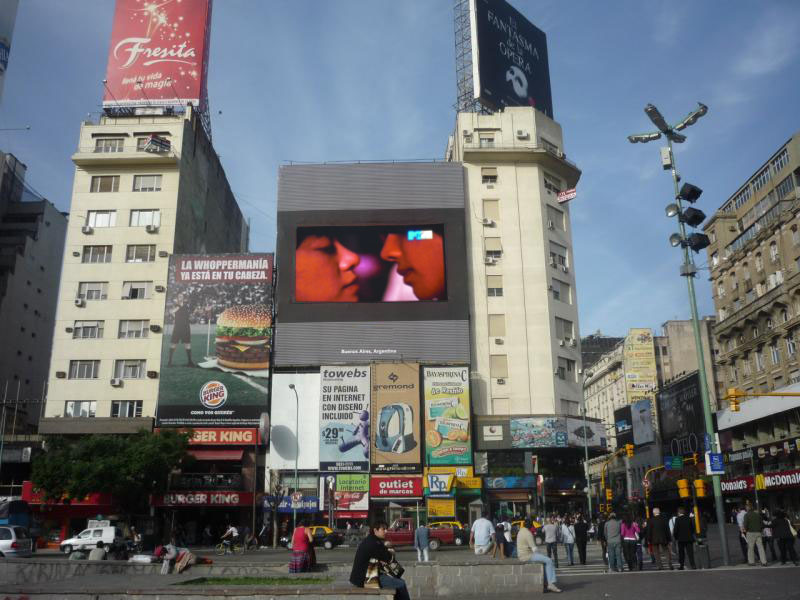
Outdoor LED displays are large-scale electronic screens designed to operate in open-air environments. They are composed of numerous light-emitting diodes (LEDs) that work together to produce high-resolution images and videos. Unlike traditional displays, these screens are built to withstand harsh weather conditions, including rain, snow, and extreme temperatures. They are commonly found in city squares, sports stadiums, commercial centers, and transportation hubs.


Key Features of Outdoor LED Displays

1. High Brightness and Visibility: One of the most significant advantages of outdoor LED displays is their ability to maintain high visibility even under direct sunlight. This is achieved through the use of high-luminance LEDs, which can reach brightness levels of up to 5,000 nits or more. This ensures that the content displayed remains clear and vivid, regardless of the time of day or weather conditions.

2. Durability and Reliability: Outdoor LED displays are engineered to be highly durable. They are typically protected by weather-resistant enclosures and have a long lifespan, often exceeding 100,000 hours of continuous operation. This makes them a cost-effective solution for long-term outdoor installations.

3. High Resolution and Image Quality: Modern outdoor LED displays offer impressive resolutions, with some models capable of 4K or even 8K clarity. This level of detail allows for stunning visual experiences, making them ideal for advertising, live events, and public information displays.

4. Energy Efficiency: Despite their high brightness, LED displays are surprisingly energy-efficient. They consume significantly less power compared to traditional display technologies, such as incandescent or fluorescent lighting. This not only reduces operational costs but also aligns with environmental sustainability goals.

5. Customizability and Flexibility: Outdoor LED displays can be customized to fit various sizes and shapes, making them adaptable to different environments and applications. They can be installed as standalone screens, integrated into building facades, or even wrapped around curved surfaces.


Applications of Outdoor LED Displays

1. Advertising and Marketing: Outdoor LED displays are a powerful tool for advertisers. They can display dynamic content, such as videos, animations, and real-time data, which captures the attention of passers-by more effectively than static billboards. Their ability to change content remotely also allows for timely and targeted advertising campaigns.

2. Public Information and Communication: In public spaces like city squares and transportation hubs, these displays are used to convey important information, such as emergency alerts, weather updates, and public announcements. They can also serve as digital art installations, enhancing the aesthetic appeal of urban areas.

3. Sports and Entertainment: Sports stadiums and arenas widely use outdoor LED displays to enhance the fan experience. They can show live game footage, player statistics, and instant replays, making the event more engaging and interactive. In entertainment venues, these screens create immersive environments for concerts and performances.

4. Corporate and Branding: Companies use outdoor LED displays to showcase their brand identity and promote products or services. They can be installed at corporate headquarters, retail stores, or trade shows, serving as a dynamic and eye-catching medium for corporate messaging.


The Future of Outdoor LED Displays

As technology continues to advance, outdoor LED displays are becoming even more sophisticated. Innovations such as transparent LED screens, flexible displays, and integration with augmented reality (AR) and virtual reality (VR) are on the horizon. These advancements will further expand the possibilities for creative and interactive applications in outdoor environments.

In conclusion, outdoor LED displays have transformed the way we communicate and experience visual in content public spaces. Their combination of high brightness, durability, and versatility makes them an indispensable tool in modern advertising, public information, and entertainment. As the technology evolves, we can expect even more exciting developments that will continue to shape our visual landscape.

outdoor led display commercial advertising